Part 2: An Uninvited Rental Manager Forced Me To Defend My Property
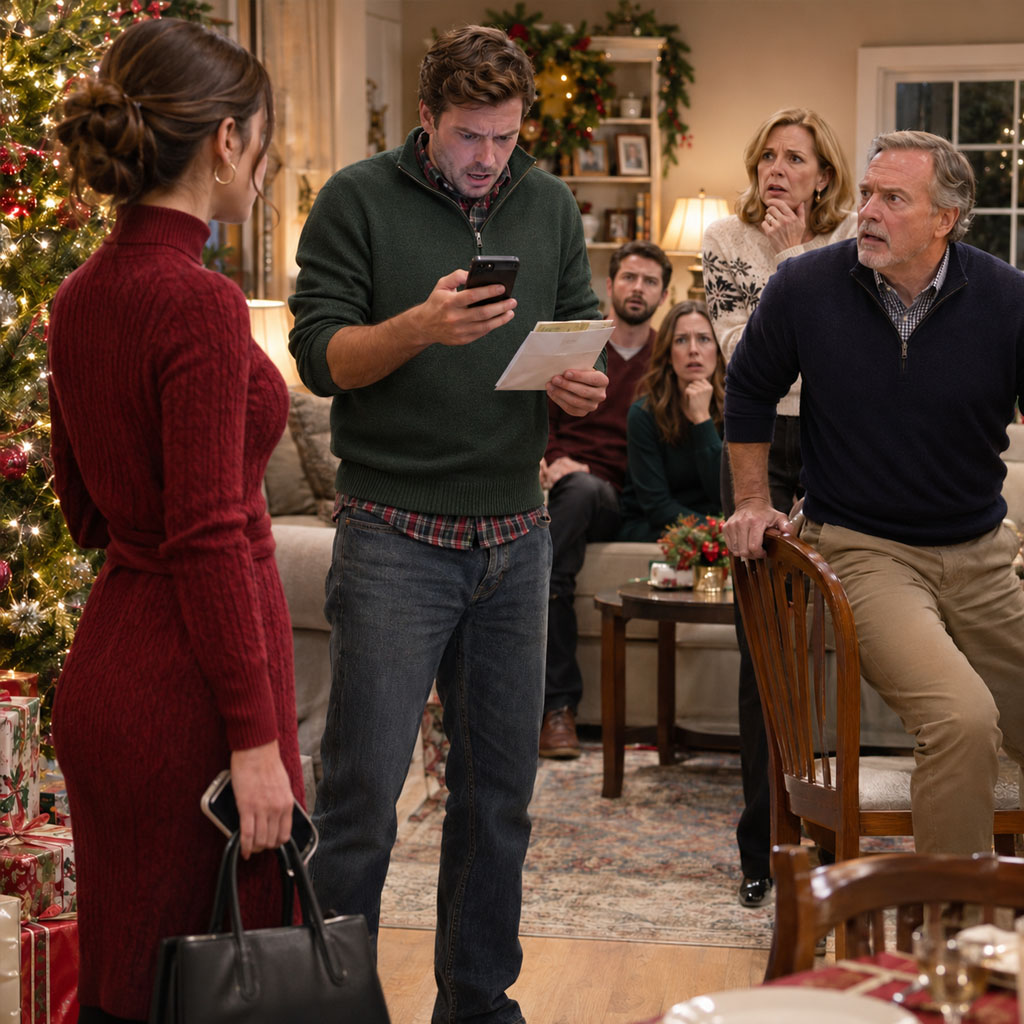
Dad glanced toward Mom before admitting he’d given Melissa the spare key I’d originally left with him for emergencies. He insisted she was merely preparing the property for future guests, and that removing personal items was part of the process. I showed him the camera feed, where a man was carrying my belongings outside in the rain. “You gave someone permission to enter a house that doesn’t belong to you,” I said.
Mom rose from her chair and begged me not to ruin Thanksgiving. Ashley complained that the belongings were only being moved into storage, while Ryan stared uncomfortably at his plate. Dad stepped toward the doorway and told me I was overreacting to a minor misunderstanding. I asked him to call Melissa immediately and tell her to leave.
He refused, insisting that everything was being done for the family’s benefit. I told him that owning something wasn’t a technicality, and neither was giving strangers access without permission. When he still wouldn’t make the call, I took my coat from the hallway closet. I wasn’t interested in arguing about family loyalty while someone was emptying my cabin.
The drive to Aspen Hollow took just over forty minutes, and I called the county sheriff’s nonemergency number on the way. I explained that people had entered my property without authorization and were removing belongings, but that I didn’t believe anyone was in immediate danger. A deputy agreed to check the situation. By the time I arrived, his patrol vehicle was parked behind the white SUV.
Melissa stood beside the driveway with a clipboard pressed against her coat. Two storage bins sat near the porch, their lids glistening with rain, while the man who had carried them outside waited beside her vehicle. She immediately explained that my father had represented himself as the owner and signed management paperwork authorizing an inventory and photographs. I showed the deputy the county property record identifying me as the owner.
“You purchased this property yourself?” he asked, checking the information against my identification. I explained when I’d bought it and showed him the relevant records on my phone. Melissa apologized, visibly upset that she’d relied on incorrect information. I believed she hadn’t understood the situation, but I still asked that the unauthorized entry and removal of my belongings be documented.
The deputy explained that the disputed authorization might require further review, particularly because my father had supplied the key. I requested that everyone leave and that the bins be returned inside before they departed. Melissa agreed, then handed over the key she’d been given. When I finally closed the cabin door behind them, I stood quietly in the entrance, listening to rain against the windows.
The place smelled like pine, cedarwood, and the coffee I’d brewed during my previous visit. My grandmother’s patchwork quilt lay folded over the couch, and the bookshelf beside the fireplace still held the novels Ashley had described as clutter. I touched the worn wooden railing I’d sanded and refinished myself the previous summer. It hurt to realize that my father could look at everything I’d built and see only something available for Ashley’s convenience.
The following Monday, I changed the locks, reset every access code, and updated the security cameras. I also consulted an attorney, who helped me send written notices to Dad, Mom, Ashley, and Ryan stating that nobody had permission to enter, advertise, rent, or occupy Aspen Hollow. The notices were delivered with confirmation, leaving no room for uncertainty about my decision. I saved the delivery records with the management paperwork and security footage.
Ashley responded with a message calling me selfish and accusing me of caring more about money than family. Dad claimed I’d embarrassed him unnecessarily, while Mom urged me to apologize before Christmas. I answered once, explaining that they were welcome to discuss the disagreement respectfully, but my property wasn’t available for their plans. After that, I stopped responding to arguments that simply repeated the same demands.
Over the following months, my family rarely contacted me unless the conversation concerned Ashley’s wedding. I heard through Aunt Susan that the couple had kept their expensive venue and found another way to cover the deposits. Nobody asked how things were going at the arts center or whether my consulting work was keeping me busy. For once, I didn’t make the effort to fill the silence.
When the June wedding invitations arrived, I declined. I wished Ashley and Ryan a happy marriage, but I wasn’t prepared to attend a celebration after months of being accused of ruining it. Mom called my decision childish, and Dad said I’d regret putting property ahead of family. I told them I hoped everyone enjoyed the day.
Six months after Thanksgiving, I was home on a Saturday morning folding laundry when my security system chimed. The first notification reported movement in the Aspen Hollow driveway, and the second showed an unsuccessful attempt to unlock the front door. I opened the live feed and saw a black SUV parked near the porch. Ashley and Ryan had arrived with suitcases, groceries, and everything they apparently needed for a two-week honeymoon.
Part 3: My Sister’s Honeymoon Ended With A Deed I Never Signed
Ashley stood beneath the porch light wearing white jeans, oversized sunglasses, and a sweatshirt printed with the word “Bride.” Ryan was unloading matching suitcases while she repeatedly entered numbers on the electronic keypad. Each attempt ended with a red warning light, and when she tried a brass key, it wouldn’t turn. Thirty seconds later, my phone rang.
“Jenna, we’re at the cabin,” she announced without saying hello. I told her I could see them on the security cameras, and she immediately demanded the new entry code. When I explained that she didn’t have permission to stay there, she laughed as though I’d made an inconvenient joke. “Dad said everything was handled,” she insisted.
I reminded her about the written notice she’d received six months earlier. Ashley said that was before the wedding and argued that I’d had plenty of time to change my mind. I explained that I hadn’t changed my mind and that my decision wasn’t something Dad could reverse on my behalf. Her voice sharpened as she reminded me they’d driven four hours and already purchased groceries for their honeymoon.
“Then you need to arrange somewhere else to stay,” I said, trying to remain calm. Ashley accused me of deliberately ruining the most important week of her life, but I refused to argue. She insisted that Dad had promised them the cabin and that I should take the disagreement up with him. I suggested she call Dad and ask why he’d promised something he had no authority to give.
Ashley ended the call, and I watched Ryan carry a suitcase back toward the SUV. For a moment, I thought they were preparing to leave, but then he disappeared around the side of the building. When I switched to another camera, I saw him checking whether one of the windows would open. I called the sheriff’s nonemergency line again and explained that people previously notified not to enter my property were attempting to gain access.
A deputy arrived while I remained on the phone with the dispatcher. Through the camera, I watched him speak calmly with Ashley and Ryan on the porch. Ryan stepped away from the windows, but Ashley continued arguing, pointing toward the cabin and holding up her phone. Then she pulled a folder from her bag and handed it to the officer.
The deputy studied the papers for several minutes before calling me. He confirmed that the couple had agreed not to enter the cabin while the ownership question was reviewed, but said Ashley had presented a document that required my attention. I told him I had a recorded deed showing I owned the property outright. He said he understood, but the document in Ashley’s possession appeared to describe a more recent transfer.
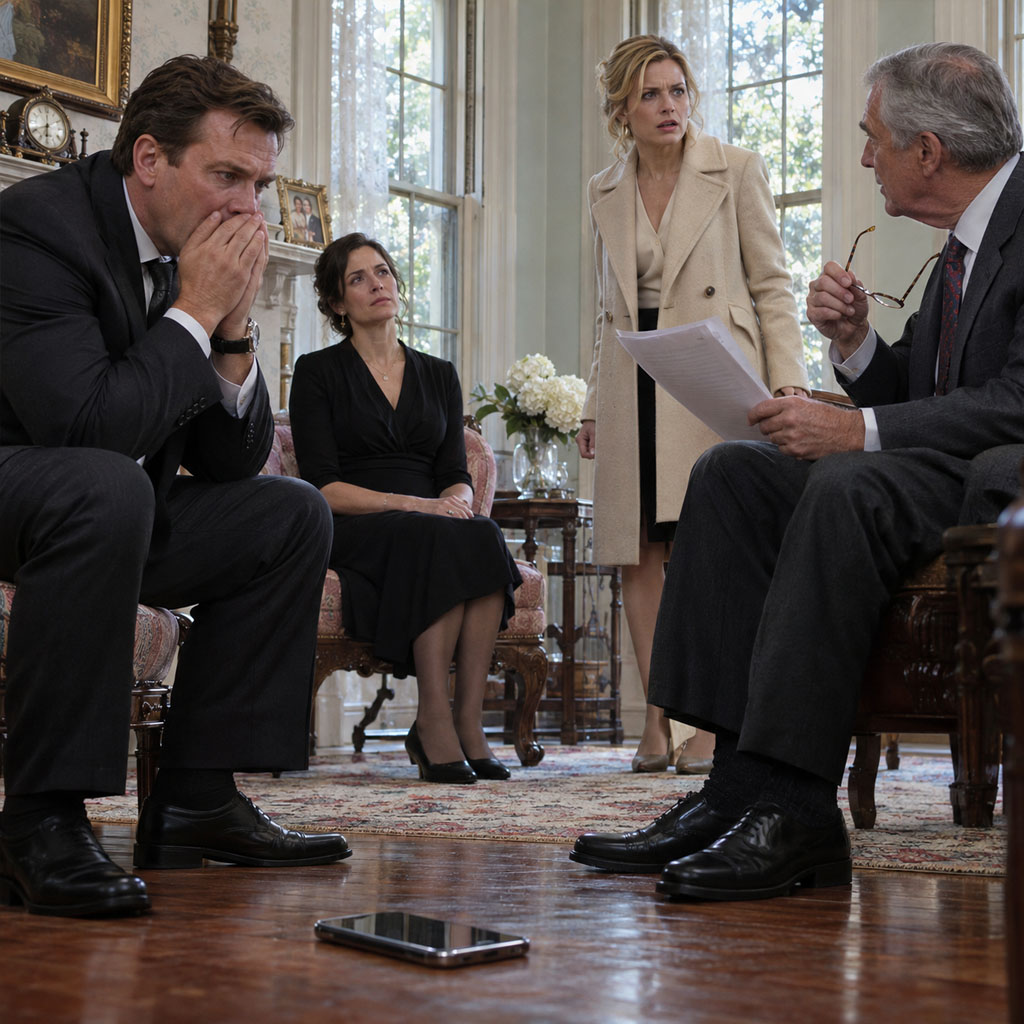
An hour later, I arrived at the sheriff’s office, where the deputy showed me a photocopy of a quitclaim deed. The document claimed that I’d transferred Aspen Hollow to my father three months earlier in exchange for ten dollars. My full legal name appeared above the signature line, followed by a signature that looked disturbingly similar to mine. Beneath it was a notary acknowledgment and an official county recording reference.
I read the document three times before looking up. “I’ve never signed this,” I told him, pointing toward the signature. The deputy asked whether I might have authorized someone to sign on my behalf or executed paperwork through a closing service. I explained that I hadn’t sold, gifted, or otherwise transferred any interest in Aspen Hollow to my father or anyone else.
The deputy remained careful not to draw conclusions before the document could be examined. He explained that the apparent discrepancy between the recorded transfer and my account needed to be investigated, and that the validity of the deed would also require appropriate legal review. He asked whether I recognized the notary’s name. I didn’t, although I photographed the information and wrote it down.
Then my phone began ringing. Dad’s name appeared on the screen, disappeared when the call ended, and returned almost immediately. I let both calls go unanswered because I wanted to understand the document before speaking to him. A moment later, a message appeared asking me not to discuss anything with the police until he’d had a chance to explain.
I showed the deputy the message, and he asked whether I could preserve it along with our earlier correspondence. I agreed, forwarding screenshots to the attorney who had helped me after Thanksgiving. My hands were shaking now, not because I doubted the property was mine, but because someone had apparently filed a legal document claiming I’d voluntarily given it away. I couldn’t understand how it had reached the county records without my knowledge.
While the deputy made a call to discuss the appropriate next steps, I sat with the photocopy in front of me. Three months earlier, I’d been working long hours preparing a new grant program and barely communicating with my parents. I hadn’t visited a notary, signed any real estate paperwork, or received ten dollars from Dad. Yet the document presented a completely different account, complete with dates and official-looking signatures.
I thought back to Thanksgiving, when Dad had insisted that ownership was only a technical issue. At the time, I’d believed he was simply unable to accept that his daughter had purchased a property without his involvement. Now I wondered whether he’d begun looking for a way around my refusal after realizing I wouldn’t cooperate. The timing of the recorded deed raised troubling questions, but I needed evidence before deciding exactly what had happened.
My attorney returned my call and advised me to preserve the original communications, obtain certified copies of the recorded documents, and avoid signing or agreeing to anything until the situation could be properly reviewed. She explained that a recorded instrument didn’t necessarily establish a valid transfer if the underlying signature or authorization was fraudulent. We would need to examine the original paperwork, notary information, and county records before determining which legal steps were appropriate. I appreciated having someone explain the process while my thoughts were racing.
As I left the sheriff’s office, Ashley sent another message saying Dad had assured her the cabin belonged to him now. She insisted they had done nothing wrong by arriving for the honeymoon they’d been promised. I responded that there was a serious dispute concerning the ownership documents and that nobody should attempt to enter the property until it was resolved. I didn’t accuse her of creating the document because I had no evidence that she knew anything about its origins.
That evening, I returned home and spread my records across the kitchen table. My original purchase documents, mortgage statements, tax records, management agreements, and insurance policies were organized in folders I’d maintained for years. Each represented another piece of a life I’d worked hard to build without relying on my parents. Seeing them beside the photocopied quitclaim deed made me realize how easily someone else’s claims could create enormous problems, even when I knew the underlying facts.
I remembered being twelve and asking Dad why Ashley received new sports equipment while I had to save for the art supplies I wanted. He’d told me families had different priorities and that I needed to learn to be understanding. For years, I’d interpreted that as an instruction to need less, ask for less, and expect less. Now, at thirty-one, I could finally see how deeply that lesson had shaped my relationships with them.
I hadn’t refused Ashley’s honeymoon because I wanted to punish her. I’d refused because the cabin belonged to me, and no family relationship entitled someone else to make decisions about it. I could have offered it voluntarily, just as I’d helped relatives in other ways when they asked respectfully. But an invitation freely given was different from a promise someone else made using my property.
Before bed, I checked the security system one last time. The driveway was empty, the windows were secure, and the cabin stood quietly among the pines. I felt relieved that nobody had entered, but the recorded deed remained an unanswered question. Tomorrow, I would begin reviewing the available records with my attorney and work toward establishing exactly how it had been filed.
Dad called again shortly before midnight. I watched his name appear on the screen and thought about the message asking me not to speak to the police. I didn’t answer, because whatever explanation he offered needed to be supported by facts, not another argument about loyalty. For the first time, I understood that protecting my peace might require more than simply changing the locks.
I opened my notebook and wrote down everything I knew, beginning with the Thanksgiving announcement and ending with the document I’d seen at the sheriff’s office. Then I made a separate list of questions that still needed answers, including who had prepared the quitclaim deed, who had appeared before the notary, and whether any other documents had been filed using my name. I couldn’t yet prove who was responsible, but I knew one thing with complete certainty: I had never signed away Aspen Hollow.
The End .
All characters and events in this story are fictional, created for storytelling and entertainment purposes. Thank you sincerely for reading. Your feedback and support are invaluable and motivate me to continue sharing more stories with you.