Chapter 2
Three months passed between my father’s cruel phone call and our wedding day.
During those months, I made a decision that was harder than I expected. I would stop begging my parents to love me in ways they had never been willing to show.
Their invitations remained open.
But I stopped calling with wedding updates, stopped asking for their opinions, and stopped checking whether they had changed their minds.
Abigail never pressured me to cut them off.
“They’re your parents,” she said. “Whatever you decide, I’ll support you. But I don’t want you spending our entire wedding day waiting for someone who may never come.”
She was right.
We focused on planning a celebration that reflected our relationship rather than anyone else’s expectations.
We chose a beautiful riverside garden outside Portland. White chairs would face a simple wooden arch decorated with wildflowers. Dinner would be served in a renovated boathouse, with music, dancing, and the people who had supported us through the years.
Abigail’s family embraced every detail.
Her mother helped select flowers. Her brothers organized the rehearsal dinner. Michael, her father, researched photographers and offered to help with the remaining expenses.
“We can afford it,” I assured him.
He smiled.
“I know you can. But sometimes people want to give because they’re happy, not because you need something.”
That sentence stayed with me.
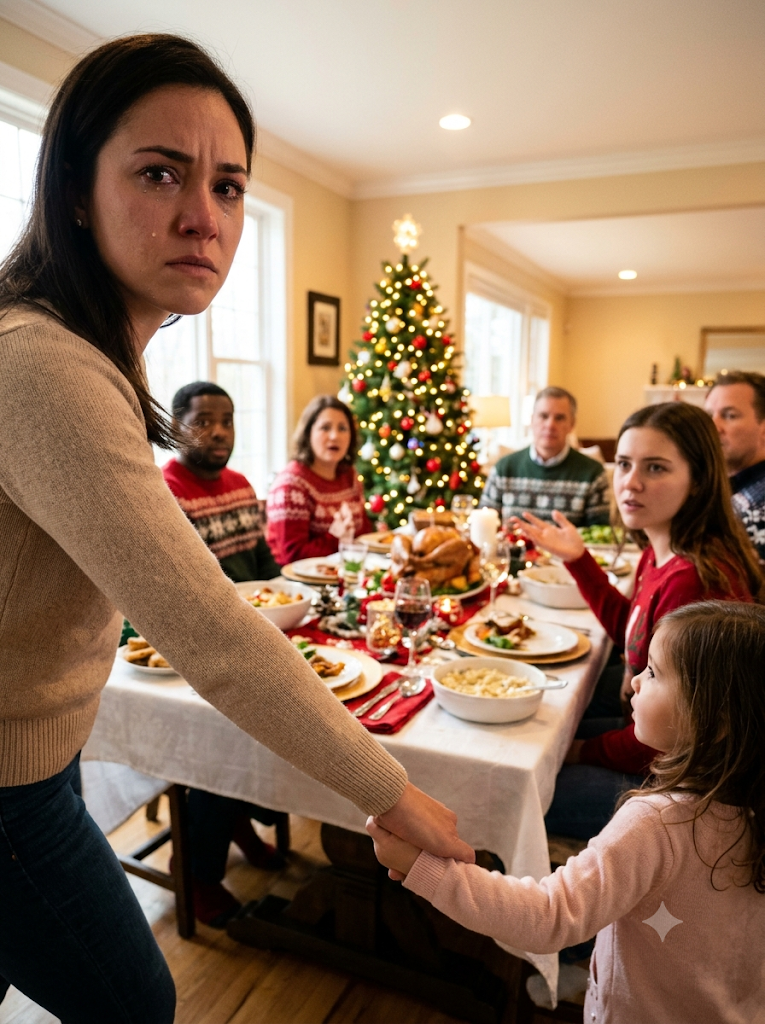
Meanwhile, my parents’ social media pages became a daily celebration of Bradley.
He had proposed to Victoria Lancaster, and apparently their engagement was the event of the decade.
There were photographs from an exclusive country club, elaborate flower arrangements, expensive champagne, and countless smiling portraits of my parents beside Victoria’s wealthy family.
Mom wrote glowing captions about two exceptional young people beginning their extraordinary future together.
She had never publicly acknowledged my engagement.
Not once.
I tried not to look, but sometimes old habits were stronger than common sense.
One evening, after seeing another photograph of Mom helping Victoria choose a wedding gown, I closed my laptop and walked outside.
Abigail found me sitting on our porch.
“Another picture?” she asked.
I nodded.
“Mom told me she didn’t have time to help with our wedding. Apparently she’s spent the whole afternoon shopping with Victoria.”
Abigail sat beside me.
“You know what I think?”
“What?”
“I think your mother is so busy worrying about impressing strangers that she’s missing the chance to know the wonderful son she already has.”
I looked at her.
“You’re supposed to be the counselor, not the woman who makes me want to cry.”
She laughed softly and leaned against my shoulder.
A week before the wedding, I sent my parents one final email.
I included the address, ceremony time, hotel information, and directions.
At the bottom, I wrote:
“Mom and Dad, I know things have been difficult between us. But you’re my parents, and I still hope you’ll be there. It would mean more than you know. Love, Trevor.”
I waited.
No reply came.
The morning of our wedding arrived with clear September skies and sunshine glittering across the river.
My best friend, Ethan, helped straighten my tie while the wedding coordinator checked the decorations.
“You look nervous,” he said.
“I’m getting married.”
“That’s usually how weddings work.”
I laughed, grateful for his familiar humor.
Then I glanced toward the parking lot.
Ethan followed my gaze.
“They’re not here yet?”
I shook my head.
He put a hand on my shoulder.
“Then they’re missing something wonderful.”
Guests began arriving shortly afterward.
My college friends hugged me. Former coworkers congratulated me. Abigail’s relatives welcomed me with such warmth that I felt as though I’d belonged to their family all my life.
But three reserved seats in the front row remained empty.
Mom.
Dad.
Bradley.
Every time someone appeared along the garden path, my heart lifted.
Every time it wasn’t them, something inside me sank.
Ten minutes before the ceremony, Susan approached quietly.
“Trevor, sweetheart, would you like us to remove the reserved signs?”
I looked at the empty chairs.
For one painful moment, I considered asking everyone to wait.
Maybe they were delayed.
Maybe their flight had been canceled.
Maybe Dad had changed his mind and was driving as fast as possible to make it.
Then I remembered his words.
“A trivial event for someone at the bottom.”
I swallowed.
“Yes, please.”
Susan squeezed my hand.
She and the coordinator quietly rearranged the seating.
A few minutes later, Michael found me standing beside the garden entrance.
He wore a navy suit and the warm expression I’d come to recognize as genuine affection.
“Trevor, before things begin, there’s something I’d like to say.”
I nodded.
He took both my hands.
“I know today hasn’t been easy. But Susan and I want you to understand something. We’re not simply gaining a son-in-law. We’re gaining a son.”
My eyes burned.
“We’re proud of the man you’ve become,” he continued. “And we’re honored that our daughter gets to share her life with you.”
I couldn’t speak.
So I hugged him.
For a moment, I held on to the fatherly kindness I’d spent a lifetime hoping to receive.
Then the music began.
When Abigail appeared beneath the flowering trees, every painful thought faded.
She wore a simple ivory gown with lace sleeves, and her auburn hair was pinned loosely beneath a delicate veil.
Her parents accompanied her down the aisle.
When she reached me, she took my hands.
“Ready?” she whispered.
I smiled through my tears.
“More than anything.”
We exchanged vows beneath the wooden arch while the river flowed quietly behind us.
I promised to cherish her, respect her dreams, and build a home where kindness would never depend on achievement or social status.
Abigail promised to stand beside me through uncertainty, laughter, and whatever life brought us.
When the officiant pronounced us husband and wife, our guests rose in applause.
I kissed Abigail as the sunlight caught the tears on her cheeks.
And for the first time that day, I stopped wondering who was missing.
Our reception was everything we’d hoped it would be.
Ethan gave a hilarious toast about my terrible cooking during college. Abigail’s brothers told stories about her childhood. Michael welcomed me into the Parker family with such sincerity that nearly everyone reached for tissues.
During our first dance, Abigail rested her cheek against my shoulder.
“Are you happy?” she whispered.
I looked around the room.
People who loved us were laughing, dancing, and celebrating our marriage.
“Yes,” I answered. “I really am.”
At the end of the evening, Susan handed us a beautifully wrapped package.
“Open it when you get somewhere quiet,” she said.
Later, at the seaside inn where we were spending our wedding night, Abigail carefully removed the wrapping.
Inside was a handcrafted wooden family tree.
Our names were engraved together at the bottom, with branches extending toward those who had welcomed and supported us.
Across the trunk were the words:
“Family grows wherever love is given freely.”
I ran my fingers across the carving.
Then I hugged my wife and cried.
Not because of the people who hadn’t come.
Because of the people who had.
We spent the following week on the Oregon coast, walking along beaches, eating fresh seafood, and enjoying the simple pleasure of being newly married.
We agreed to stay off social media until we returned home.
For seven beautiful days, I almost forgot the pain of my parents’ absence.
Then our honeymoon ended.
On Sunday evening, while Abigail unpacked, I turned on my phone.
Messages poured in from friends and relatives congratulating us.
Among them was a message from my cousin Jennifer.
“Trevor, I’m so sorry. I had no idea they were doing this. You deserve better.”
Beneath her words was a link.
I opened it.
My mother’s smiling face filled the screen.
She was standing on a beach in Hawaii, holding a glass of champagne.
Beside her stood Dad, Bradley, Victoria, and Victoria’s parents.
The album was titled:
“Celebrating Family in Paradise.”
The photographs were dated the exact weekend of my wedding.
One showed them enjoying a sunset dinner.
Another showed them aboard a private sightseeing boat.
And beneath a picture taken during the very hour Abigail and I exchanged our vows, Mom had written:
“Nothing matters more than being surrounded by the family who truly counts.”
I stared at the screen until the words blurred.
They hadn’t been too busy to attend our wedding.
They had chosen to celebrate somewhere else.
And they’d wanted everyone to see it.
Chapter 3
Abigail found me sitting on the couch, gripping my phone.
“Trevor? What’s wrong?”
I handed it to her without speaking.
She studied the photographs, slowly scrolling through the album. Her expression changed from confusion to disbelief.
“They went to Hawaii?”
I nodded.
“During our wedding?”
I nodded again.
She stopped at the photograph of my parents raising champagne glasses beside Bradley and Victoria.
For several seconds, she said nothing.
Then she placed the phone on the table and pulled me into her arms.
I had managed not to cry when my parents failed to respond to our invitation. I’d held myself together when their seats remained empty.
But seeing them smiling beneath Hawaiian sunsets while I waited for them to attend my wedding broke something open inside me.
“They knew,” I whispered. “They knew exactly when our ceremony was.”
Abigail held me tighter.
“I know.”
“They didn’t even send a message.”
“I’m so sorry, sweetheart.”
I buried my face against her shoulder.
For nearly thirty years, I’d believed that if I became successful enough, accomplished enough, or impressive enough, my parents might finally see me.
But now I understood.
There was no level I could reach that would satisfy people who had already decided where I belonged.
The following morning, Abigail and I sat at our kitchen table with untouched cups of coffee.
“I can’t keep doing this,” I said.
She looked at me carefully.
“Doing what?”
“Waiting for them to become different people.”
I took a breath.
“I don’t want to spend the rest of our marriage begging my family to respect us. I don’t want our future children wondering why their grandparents treat them differently from Bradley’s kids.”
Abigail reached for my hand.
“Then we build something better.”
Over the following weeks, I began counseling with a therapist named Dr. Elaine Merritt.
She helped me understand that the disappointment I felt wasn’t limited to one missed wedding.
It came from years of being overlooked, compared, and dismissed.
“You’re grieving the relationship you hoped to have,” she explained during one session. “And you’re recognizing that you can’t create that relationship by yourself.”
I stopped reaching out to my parents.
I removed their social media updates from my feeds and concentrated on the life Abigail and I were building.
My consulting firm continued growing. Abigail expanded her counseling practice. We spent weekends hiking, visiting friends, and having dinner with her family.
The quiet was unfamiliar.
But gradually, it became peaceful.
Exactly one month after we discovered the vacation photographs, Dad called.
Seeing his name on my screen made my stomach tighten.
For a moment, I considered ignoring him.
Then I answered.
“Hello, Dad.”
“Trevor,” he said briskly. “We need to discuss your loan payments.”
I blinked.
“What?”
“The money we lent you for college. We haven’t received the last two payments.”
I sat down.
I’d been repaying that loan for years, following the schedule we’d agreed upon when I graduated.
The remaining balance was modest compared with my current income, but I had continued making the payments because a promise mattered to me.
“They should have been mailed automatically,” I said. “I’ll check with the bank.”
“Well, check quickly. Bradley’s wedding is becoming expensive, and we need every dollar.”
I closed my eyes.
Of course.
He hadn’t called to ask how our wedding went.
He hadn’t called to congratulate Abigail.
He hadn’t even called to explain why they’d gone to Hawaii.
He wanted money.
“Did you enjoy your vacation?” I asked quietly.
Dad hesitated.
“What?”
“Hawaii. Did you have a good time?”
“Yes, it was very nice. Victoria’s father arranged most of it.”
“During my wedding.”
He sighed.
“Trevor, we’ve already discussed this.”
“No, Dad. You told me my wedding wasn’t important, then you hung up. That’s not a discussion.”
“Don’t be dramatic. The trip had been planned for months.”
“So had my wedding.”
“Sometimes people have competing obligations.”
I felt an unexpected calm settle over me.
“Interesting. Because you seemed to think only Bradley’s obligations mattered.”
Dad’s voice hardened.
“Are we going to talk about the loan, or are you going to keep complaining?”
I looked at the wedding photograph hanging across our living room.
Abigail and I were laughing beneath the wooden arch, surrounded by people who loved us.
Then I remembered my father’s words.
“Don’t bother us with trivial events.”
I took a slow breath.
“Dad, please don’t bother me with trivial matters.”
Silence.
“What did you say?”
“I’m using your words. You told me not to bother you with trivial matters like my wedding. So I assumed you wouldn’t expect me to interrupt my life over something as insignificant as money.”
His voice rose.
“That money is not insignificant! You owe us!”
“And my wedding was insignificant?”
“That’s completely different.”
“You’re right,” I said. “It is.”
For a moment, neither of us spoke.
Then Dad tried a different approach.
“Your mother is very upset about how distant you’ve become. Bradley thinks you’re behaving selfishly. We spent money helping you through college, Trevor. You have responsibilities.”
“I know I do.”
“Then you’ll increase your payments?”
I almost couldn’t believe what I was hearing.
“Increase them?”
“Victoria’s family expects us to contribute a certain amount to the wedding. We thought you could settle the remaining balance early.”
I looked down at my hands.
My parents had skipped my wedding to celebrate Bradley’s engagement with a wealthy family.
Now they wanted me to help finance the very celebration they’d chosen over mine.
“No, Dad.”
“What?”
“I’ll honor the repayment agreement. But I’m not changing the schedule to help pay for Bradley’s wedding.”
His anger returned immediately.
“You’re being petty.”
“I’m being fair.”
“After everything we’ve done for you!”
I stood up.
“Have you ever asked yourself what you haven’t done for me?”
He fell silent.
“You weren’t there when I graduated. You didn’t come when I opened my business. You barely acknowledged my engagement, and you deliberately missed my wedding.”
“Trevor—”
“And now you’ve called me because you want money.”
Dad began talking about lawyers and legal obligations.
I listened until he finished.
“You’re welcome to have your attorney review the agreement,” I said. “I have every record of the payments I’ve made. I’ll continue fulfilling my obligation according to the original terms.”
Then I added something I’d wanted to say for years.
“But I won’t keep paying emotionally for the privilege of being your son.”
I ended the call.
My hands were shaking.
Yet beneath the sadness was a feeling I barely recognized.
Self-respect.
Chapter 4
The calls began almost immediately.
Mom left messages accusing me of breaking her heart. Dad insisted I was ungrateful. Bradley sent a short text saying I was making an already stressful wedding season more difficult.
Not one of them apologized for missing my wedding.
I showed the messages to Abigail.
She read them carefully, then looked up.
“They’re upset because you’re no longer accepting the way they treat you.”
I nodded.
“Part of me still wants to call Mom and explain everything again.”
“You’ve explained it your whole life, Trevor.”
She placed the phone beside me.
“Maybe this time, they need to do the listening.”
Over the next week, several relatives contacted me.
Some urged me to make peace for the family’s sake. Others had heard only my parents’ version of events and assumed I’d stopped repaying the college loan.
I explained the facts calmly.
The payments had been issued according to schedule. There appeared to be a problem with the mailed checks, and I was working with my bank to resolve it.
I had no intention of avoiding my financial responsibility.
But I also had no intention of allowing that responsibility to be used as an excuse for continued mistreatment.
One evening, Dad’s sister, Aunt Patricia, called.
“Trevor, honey, I’ve wanted to speak with you since the wedding.”
I braced myself.
“If this is about the loan—”
“It isn’t.”
Her voice softened.
“I saw the photographs from your wedding. You and Abigail looked wonderful.”
“Thank you.”
“I’m sorry your parents weren’t there.”
I stared at the wall.
“You don’t have to apologize for them.”
“I know. But somebody should acknowledge what happened.”
For several moments, I couldn’t speak.
Patricia continued.
“Your father has always cared too much about status. Your mother goes along with him because she likes being part of that world. It doesn’t excuse what they’ve done.”
I swallowed.
“Did you know they were going to Hawaii?”
“Yes.”
The answer hurt.
“Why didn’t anyone tell me?”
“I assumed they’d spoken to you. When I realized they hadn’t, I should have said something. I’m sorry.”
I appreciated her honesty more than she probably understood.
After we hung up, I sat beside Abigail on the couch.
“Patricia apologized.”
Abigail smiled sadly.
“Sometimes one sincere apology matters more than a hundred explanations.”
A few days later, I sent my parents a formal email.
I included a complete payment history for the college loan, copies of the relevant bank records, and the remaining balance.
I explained that future payments would be made electronically at the same monthly amount, eliminating the possibility of missing checks.
Then I addressed our relationship.
“Mom and Dad, I appreciate the financial assistance you provided for my education, and I intend to repay it completely. But I cannot continue participating in a relationship where my accomplishments, marriage, and feelings are treated as less important than Bradley’s.
“When you chose to vacation during my wedding, you made your priorities clear. I am now choosing to protect my marriage and my peace of mind.
“I won’t be available for personal calls or family gatherings for the foreseeable future. If we ever rebuild our relationship, it must begin with respect and an honest acknowledgment of what happened.”
I read the message three times.
Then I sent it.
That evening, I blocked their numbers.
The silence that followed felt strange.
For most of my life, I’d been afraid of losing my parents’ approval.
Now I was beginning to understand that approval had never been mine to lose.
I continued meeting with Dr. Merritt.
Some sessions were difficult.
I admitted that I still dreamed about walking into a room and hearing my father say he was proud of me.
I confessed that when I received good business news, my first instinct remained to call Mom.
“Those feelings may take time to change,” Dr. Merritt told me. “Boundaries don’t erase love. They establish what kind of treatment you’re willing to accept.”
That distinction helped.
I didn’t have to hate my parents to stop allowing them to hurt me.
Over the following months, life became fuller.
My company signed contracts with several new healthcare clients. I hired more employees and moved into a larger office.
Abigail and I began searching for our first house.
We eventually found a charming Craftsman-style home with a covered porch, hardwood floors, and a backyard shaded by two old maple trees.
The kitchen needed updating, and the upstairs bathroom had outdated tile.
But Abigail walked through the front door, turned toward me, and smiled.
“This feels like home.”
I knew exactly what she meant.
We bought it.
On moving day, Michael arrived with his pickup truck and a toolbox. Susan brought sandwiches, homemade lemonade, and enough cleaning supplies to stock a small hotel.
Abigail’s brothers carried furniture upstairs while laughing about who had inherited their father’s stubbornness.
At one point, Michael stood beside me in the backyard.
“You’ve done well, Trevor.”
I smiled.
“Thanks. We’ve worked hard.”
He nodded.
“Not just with the house. With the life you’re building.”
I looked through the kitchen window, where Abigail and Susan were arranging dishes.
For once, praise didn’t make me uncomfortable.
It simply made me happy.
Six months after our wedding, a letter arrived from my parents.
The envelope contained no legal threats.
Instead, Dad wrote that they had received the loan payments and wanted to discuss restoring our relationship.
His words were formal, almost businesslike.
There was no apology.
No mention of Hawaii.
No acknowledgment of the wedding they’d missed.
I brought the letter to Dr. Merritt.
She read it and asked a simple question.
“What do you want, Trevor?”
I thought carefully.
A year earlier, I would have rushed to call them.
But I wasn’t that desperate young man anymore.
“I want parents who respect my wife,” I said. “I want them to recognize that Bradley and I are equally deserving of love. And I don’t want another relationship built around proving I’m good enough.”
Dr. Merritt nodded.
“Can they offer you that?”
“I don’t know.”
“Then perhaps that’s what they need to understand before you agree to meet.”
I wrote back.
I thanked them for acknowledging the payments and explained that I needed something more important than a polite invitation.
I needed them to recognize the hurt caused by their decision to miss my wedding and the long pattern of favoritism that preceded it.
Without that understanding, I couldn’t begin rebuilding trust.
I mailed the letter without expecting an answer.
Three weeks later, Bradley called.
I nearly let it go to voicemail.
Then I answered.
“Trevor? It’s Bradley.”
“I know.”
His voice sounded tired.
“Could we meet somewhere? Just the two of us.”
I hesitated.
“Why?”
“Because I think there are things we should have talked about years ago.”
We agreed to meet at a coffee shop halfway between Portland and Seattle.
When Bradley walked in, I barely recognized him.
The confident brother who’d always seemed to have everything under control looked exhausted.
He sat across from me, staring at his coffee.
“Things aren’t going well,” he admitted.
I waited.
“Victoria’s parents have taken over the wedding. Every decision has to impress somebody. Her father wants me to join the legal team connected to his medical practice, even though I’ve been looking into environmental law.”
I frowned.
“I thought you wanted that position.”
“So did everybody else.”
He gave a humorless laugh.
“That’s the problem. I’ve spent so much time becoming what everyone expects that I’m not sure I know what I want anymore.”
I looked at my brother.
For the first time, I saw something beyond the golden child my parents had worshipped.
I saw a man trapped by the same expectations that had made me feel invisible.
Bradley leaned forward.
“Jennifer showed me your wedding pictures.”
I said nothing.
“You looked happy, Trevor. Really happy. And I realized I couldn’t remember the last time I felt that free.”
He rubbed his forehead.
“I also heard what Dad said about your wedding. I didn’t know he’d called it trivial.”
I studied his face.
Whether he’d known everything or simply refused to notice, I couldn’t say.
But his expression seemed genuinely troubled.
“I’m sorry,” he said quietly. “I should have been there.”
Those six words meant more than all the expensive gifts my family could have offered.
I nodded.
“Thank you.”
We talked for nearly two hours.
For the first time, I told Bradley what it had felt like growing up in his shadow.
I described the celebrations, comparisons, and constant sense that nothing I accomplished was enough.
He listened.
Sometimes he looked ashamed.
Other times he seemed genuinely surprised.
“I knew they favored me,” he admitted. “But I didn’t realize how much it hurt you. I should’ve paid attention.”
“I used to resent you for everything they gave you,” I confessed.
“I understand.”
“But I’m starting to realize neither of us got what we really needed.”
Bradley looked at me.
“What do you mean?”
“You got approval as long as you fulfilled their expectations. I got attention only when I tried to become someone else.”
He sat quietly.
Then he nodded.
“That’s exactly what it feels like.”
We didn’t leave that coffee shop suddenly transformed into close brothers.
There were too many years between us for that.
But something important had changed.
For once, we had spoken honestly.
And neither of us had needed to win.
Chapter 5
Two weeks after my conversation with Bradley, another letter arrived from Mom.
This one was handwritten.
She said Bradley had told her about our meeting, and the conversation had forced her to reconsider memories she had always viewed differently.
“I thought you were the independent one,” she wrote. “Bradley needed more encouragement, while you seemed capable of managing everything yourself. I told myself I was helping you become strong. I didn’t realize how often my attention to him might have felt like rejection.”
I read the paragraph several times.
There were still excuses in her letter.
She insisted the Hawaii trip had involved commitments they believed they couldn’t break. She described missing our wedding as a terrible misunderstanding rather than the deliberate choice it had been.
But then came something new.
“I am sorry we weren’t there, Trevor. Whatever our reasons, you deserved to have your parents beside you when you married Abigail. We cannot change that day, but I hope we can learn to treat you both better.”
I sat at the kitchen table holding the letter.
Abigail came in carrying two mugs of tea.
“Is everything okay?”
I handed it to her.
She read slowly.
When she finished, she sat beside me.
“How do you feel?”
“Confused.”
She smiled gently.
“That makes sense.”
“Part of me wants to believe her. Another part remembers how many times she’s said something kind and then gone right back to treating me like an afterthought.”
“Then you don’t have to rush.”
I looked at her.
“What would you do?”
Abigail considered the question.
“I’d pay attention to what she does next. Apologies matter, but consistent behavior matters more.”
That became the foundation of my response.
I thanked Mom for acknowledging the pain she’d caused.
I explained that I was open to rebuilding our relationship slowly, but only if she and Dad could respect Abigail, our marriage, and the fact that Bradley and I deserved equal consideration.
I made clear that I would not return to the old arrangement of chasing their approval.
Then I mailed the letter.
For several weeks, nothing happened.
And that was all right.
I had finally reached a place where my happiness no longer depended on whether my parents answered.
Meanwhile, Bradley made a decision that shocked everyone.
He and Victoria canceled their elaborate country-club wedding.
Instead, they announced plans for a small ceremony at a vineyard outside Seattle, attended by close friends and family.
Victoria supported the change.
According to Bradley, she’d been increasingly unhappy with how much control her parents had taken over their lives.
“We want to get married,” he told me. “We don’t want to host a business conference with wedding cake.”
I laughed.
“Sounds familiar.”
He hesitated.
“Trevor, I’d really like you and Abigail to come.”
I looked at the invitation he’d sent.
For a moment, I remembered the empty chairs at my own wedding.
“Bradley, I need you to understand something. I can’t pretend none of this happened.”
“I know.”
“And I’m not going to attend just so Mom and Dad can act like everything’s perfect.”
“I wouldn’t ask you to.”
He took a breath.
“I want you there because you’re my brother.”
I was silent for a moment.
Then I said, “Let me talk to Abigail.”
We attended.
The ceremony was simple and beautiful.
Victoria wore an elegant ivory dress, and Bradley looked happier than I’d seen him in years.
Their vows were sincere, their laughter unforced.
I was glad we’d come.
My parents were there, too.
Mom approached Abigail and me before the reception.
She seemed nervous.
“Trevor. Abigail.”
“Hello, Mom.”
She glanced at my wife.
“You looked lovely in your wedding photographs, Abigail. I’m sorry we weren’t there to tell you in person.”
Abigail smiled politely.
“Thank you, Karen.”
Dad joined us a moment later.
He cleared his throat.
“Trevor, I’ve been meaning to say something.”
I waited.
“I handled things badly last year.”
It wasn’t the heartfelt apology I’d once dreamed of hearing.
But coming from my father, it was significant.
“I was thinking about Bradley’s future and the connections we were making,” he continued. “I didn’t stop to consider what missing your wedding would mean to you.”
I met his eyes.
“You didn’t just miss it, Dad. You told me it didn’t matter.”
His face tightened.
“I know.”
“That hurt more than you understand.”
He looked away.
Then he nodded.
“I’m beginning to understand.”
For a moment, I saw the familiar pride rising in him, the impulse to defend himself and explain away everything.
But this time, he remained quiet.
I appreciated that.
“I hope we can do better,” he said.
“So do I.”
It was not forgiveness.
It was not reconciliation.
But it was a beginning.
Over the following year, our family relationships changed slowly.
Mom occasionally called to ask about my business or Abigail’s work. Sometimes she listened with genuine interest. Other times she slipped into comparing us with Bradley and Victoria.
When that happened, I calmly ended the comparison.
“Mom, I’m happy to tell you about my life. I’m not interested in competing with my brother.”
At first, she seemed offended.
Eventually, she began catching herself.
Dad had a harder time.
His old habits were deeply rooted, and he sometimes treated my boundaries as personal criticism.
But I no longer argued for hours or tried to convince him to approve of my decisions.
If a conversation became disrespectful, I ended it.
The difference was remarkable.
I wasn’t trying to change my parents by force.
I was simply deciding what kind of relationship I was willing to participate in.
My connection with Bradley improved, too.
We began meeting for lunch occasionally, sometimes bringing our wives.
He pursued work related to environmental law, despite Dad’s concerns about prestige.
Victoria started a small charitable project focused on supporting families dealing with long-term medical expenses.
Without the pressure to impress everyone, they seemed genuinely happy.
As for Abigail and me, our life continued to grow in ways I’d once barely dared to imagine.
My business expanded to a second office. We finished renovating our house, planted a vegetable garden, and adopted an aging golden retriever named Charlie from a local rescue.
Charlie had gray fur around his muzzle and a habit of falling asleep wherever sunlight touched the floor.
Abigail adored him.
So did I.
On Sunday afternoons, we’d sit on the porch with Charlie sleeping between us and talk about the future.
One evening, Abigail grew unusually quiet.
She held my hand and smiled nervously.
“Trevor, I have something to tell you.”
I turned toward her.
“What is it?”
She reached into her pocket and handed me a small photograph.
At first, I didn’t understand what I was looking at.
Then I saw the familiar black-and-white image.
An ultrasound.
I stared at it.
“Abigail?”
She nodded, tears shining in her eyes.
“We’re having a baby.”
For several seconds, I couldn’t speak.
Then I wrapped my arms around her.
We laughed and cried together on that little porch while Charlie lifted his head, confused by the excitement.
I had imagined this moment many times.
But when it finally happened, what overwhelmed me wasn’t pride or the idea of carrying on our family name.
It was the thought of becoming someone’s father.
Someone who would look to me for comfort, guidance, and unconditional love.
And I knew exactly what kind of father I wanted to be.
Later that night, Abigail and I sat together in the nursery that was still an empty guest room.
“We should talk about your parents,” she said gently.
I nodded.
“I know.”
“What kind of relationship do you want them to have with our child?”
I thought about the years of comparison.
I remembered the lonely dinners, the missed celebrations, and the humiliating phone call before our wedding.
Then I remembered Mom’s awkward apology, Dad’s tentative efforts, and the slow improvement in our family relationships.
“I want our child to know people who love them for who they are,” I said. “Not because they’re talented, successful, popular, or useful.”
Abigail nodded.
“And if your parents can’t do that?”
“Then their involvement will be limited. I won’t let our child grow up believing love has to be earned.”
She smiled.
“That’s exactly what I hoped you’d say.”
A few months later, we invited both families to our house for a small dinner.
Michael and Susan arrived carrying a homemade dessert and a tiny pair of knitted baby socks.
Bradley and Victoria brought flowers.
Mom appeared with an old children’s book she’d saved from my childhood.
I recognized it immediately.
It was a book about space exploration, with a blue cover and drawings of planets.
“You used to read this every night,” she said.
I took it carefully.
“You kept it?”
She nodded.
“You loved learning how things worked. You’d ask your father questions about stars, and when he couldn’t answer, you’d go to the library and find out yourself.”
I opened the cover.
Inside, in my childhood handwriting, were the words:
“Trevor Mitchell, Future Astronaut.”
I laughed softly.
“I’d forgotten about this.”
Mom smiled.
“I hadn’t.”
For a brief moment, I saw a part of our past I hadn’t entirely remembered.
Not every moment had been painful.
There had been affection, small kindnesses, and memories worth keeping.
The problem had been that those moments were too often overshadowed by comparison and neglect.
Mom touched the book.
“I wish I’d encouraged this side of you more.”
I looked at her.
“Thank you for saying that.”
She nodded, her eyes filling.
We didn’t embrace dramatically.
We didn’t pretend the past had disappeared.
But when I placed the book on the nursery shelf, it felt like something important had been returned to me.
That evening, after everyone left, Abigail and I stood in the doorway of the nursery.
The little book sat beside a stuffed bear from Susan and a wooden toy Bradley had brought.
I looked around the room.
Different families.
Different histories.
Different kinds of love.
Some relationships were secure and effortless. Others were fragile and required patience, honesty, and careful boundaries.
But they no longer had to be perfect for me to build something good.
One afternoon, shortly before our baby’s arrival, I found the wooden family tree Susan had given us on our wedding night.
It had been hanging in our hallway since the day we moved into the house.
I took it down to dust the frame and noticed a small space beneath our engraved names.
I showed it to Abigail.
“There’s room for another name.”
She smiled and rested a hand on her belly.
“There certainly is.”
We stood together looking at the words carved into the wood.
“Family grows wherever love is given freely.”
I thought about the wedding my parents had dismissed as trivial.
I remembered those empty chairs, the photographs from Hawaii, and the awful realization that my family had deliberately chosen someone else’s celebration over mine.
For a long time, I had believed that moment defined my worth.
Now I understood something very different.
Their decision had revealed their priorities, not my value.
I hadn’t needed a grand wedding to prove I was successful.
I hadn’t needed wealthy in-laws, prestigious connections, or elaborate celebrations to make my marriage meaningful.
I had needed one woman who loved me, a handful of people who cared enough to show up, and the courage to stop measuring myself through my parents’ eyes.
Abigail slipped her arm around my waist.
“What are you thinking about?”
I smiled.
“How strange life is.”
“Good strange or bad strange?”
“Good,” I said. “Very good.”
I hung the family tree back on the wall.
Then I turned toward my wife.
“Do you remember what Dad called our wedding?”
Her expression softened.
“Of course.”
“He said it was a trivial event for someone at the bottom.”
She nodded.
I looked toward the nursery, where sunlight warmed the old children’s book and the little wooden bear.
“For years, I thought I had to climb high enough to become worthy of their love.”
“And now?”
I took her hand.
“Now I know love isn’t supposed to be a ladder.”
She smiled through tears.
“No, sweetheart. It isn’t.”
That night, before going to bed, I wrote a short letter to our unborn child.
I told our baby that life would bring disappointment, that people sometimes failed each other, and that success couldn’t guarantee happiness.
But I also made a promise.
I would celebrate their victories without comparing them to anyone else’s.
I would listen when they spoke, especially when their interests were different from mine.
I would show up for the important moments, whether they involved a championship game, a science fair, or something only they considered special.
And if I ever made a mistake, I would apologize instead of allowing pride to become more important than love.
I folded the letter and placed it inside the old space book.
Then I turned out the nursery light.
My parents had once told me I belonged at the bottom of the family.
They had missed my wedding because they believed status mattered more than love.
But standing in my own home, surrounded by a family built on respect and kindness, I finally understood that I had never been at the bottom of anything.
I’d simply spent too many years trying to climb a ladder that led nowhere.
The people who truly loved me had never asked me to climb at all.
They had opened the door, pulled out a chair, and made room for me at their table.
And that was the kind of family I intended to give my child.
THE END. ⚠️ All characters and events are fictional. Do not imitate or apply them in real life. 😌😌😌