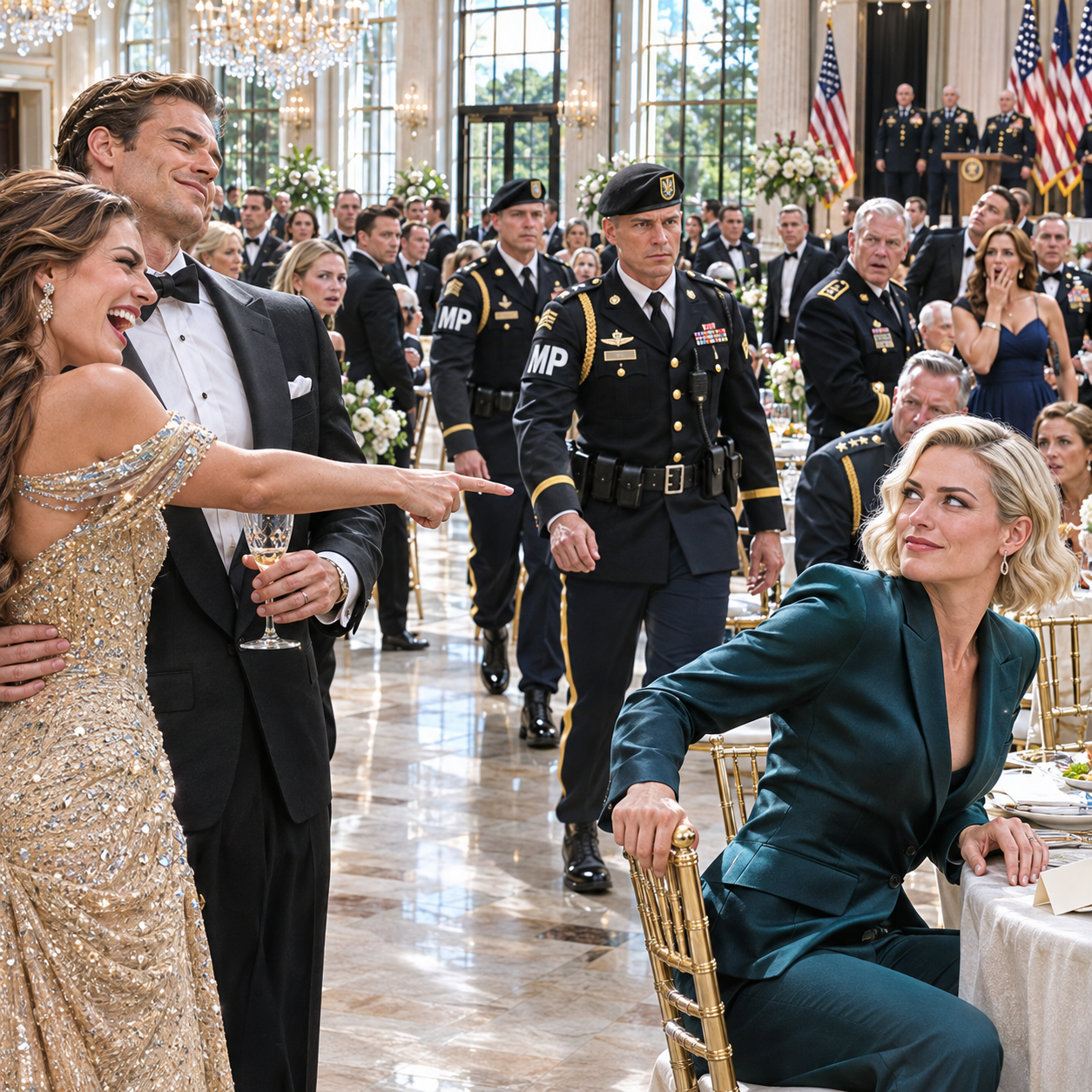
My Ex-Mother-in-Law Said I Wasn’t Family Anymore—Then the Lawyer Revealed I Inherited $900,000 and a Secret Her Son Never Knew
I walked into my late father-in-law’s estate meeting expecting one final goodbye, but my ex-mother-in-law told me I wasn’t family, my former husband grinned beside his new wife, and the attorney announced I was receiving $250,000 and a $650,000 lake house; within days, they accused me of exploiting a dying man and dragged me into court, completely unaware that his final letter contained a secret I’d kept for nearly a year, a secret that would leave my ex-husband crying and destroy everything his mother believed about our family.
Part 1
My former mother-in-law stood in the doorway of the Charlotte law office and announced, “You aren’t family anymore, Elena.” Vivian Caldwell wore pearls the size of marbles, and her perfume reached me before she did. Behind her, my ex-husband Evan sat beside his new wife, Sloane, looking entertained.
“I was invited,” I said, showing the receptionist the email on my phone. Vivian glanced at it as if an invitation from an attorney were something I’d printed at home. “Martin was too kind for his own good,” she replied. I sat by the window.
Martin Caldwell had died six weeks earlier at seventy-one. My own father disappeared before I was born, and my mother, Nora, cleaned hotel rooms while taking night classes so I could attend college. Martin never made me feel embarrassed about either fact. The first time Vivian described my mother’s work as “unfortunate,” Martin had set down his fork and said, “The only unfortunate thing here is your manners.”
His son had been different. Evan charmed strangers, but around Vivian he became a boy desperate to please. During four years of marriage, she criticized my thrift-store furniture, my job at a shipping company, even the way I seasoned chicken. Each time, Evan whispered, “Just let it go,” until letting things go became most of what I did.
When I finally left, Evan told everyone I’d abandoned the family over petty disagreements. He married Sloane three months later. Martin alone kept checking on me, sometimes appearing at my apartment with peach cobbler or a bag of groceries. He never asked me to reconcile; he simply asked whether I was eating enough.
Across the table, attorney Audrey Price opened a thick binder. The air conditioner hummed as she outlined Martin’s estate plan. Vivian was to receive income from a commercial property and other designated assets; Evan would receive an interest in another family property. I touched the watch he’d given me.
Then Audrey turned a page. “There is also a specific bequest for Elena Brooks,” she said, and Vivian gave a little laugh. “Let me guess, one of his fishing rods?” Audrey didn’t react. “Two hundred fifty thousand dollars from his investment account, and his Lake Norman cottage, recently appraised at approximately six hundred fifty thousand.”
Sloane’s pen froze as Evan said, “That’s nine hundred thousand dollars,” as though Audrey needed help with the arithmetic. Vivian’s face reddened beneath her makeup. “Absolutely not. She manipulated him while he was sick.” I stared at Audrey, hearing only the distant traffic below the windows, because I hadn’t asked Martin for a dollar.
Audrey explained that Martin had revised his will with independent counsel, underwent a capacity evaluation, and left notes about his decisions. Vivian pushed away from the table. “We’ll challenge it,” she declared, pointing at me. Evan added, “Dad never would’ve done this if he’d been thinking clearly.” I stared at Evan, recognizing his familiar refusal to believe me.
I tried to tell them I was as surprised as they were, but Vivian talked over me. Sloane whispered to Evan. I remembered Martin saying, a month before his death, “If people get loud, don’t mistake that for being right.” At the time, I’d thought he meant the neighbors arguing over a property line.
Audrey closed the binder with a cream envelope beneath her hand and said, “Mr. Caldwell anticipated questions about this provision.” “He prepared a signed explanation, to be disclosed if his wishes were disputed.” Evan reached for it, but Audrey moved it back into her folder. “You may want to speak to your own attorney before you hear what it contains.”
I refused Vivian’s demand to renounce the gift, and my phone buzzed at the elevator. It was a message from Evan: “Whatever game you’re playing, I will find out.” In my purse, I had a small photograph Martin had carried in his wallet, one nobody in that conference room had ever seen. I touched its bent corner and wondered how much longer I could keep his final promise.
Part 2
Vivian left two angry voicemails before I reached my apartment. I stood outside my door smelling a neighbor’s burnt toast and listened to her threaten to tell my employer. My mother opened the door before I found my key. “Come inside,” she said, looking at my face. “You’ve been holding your breath all day.”
Mom had made tomato soup and grilled cheese, our old comfort meal. I placed Audrey’s meeting notes on the table, and she read the figures without smiling. “Martin meant to give you security,” she said. “That doesn’t mean you need to enjoy what it costs to defend it.” I asked whether refusing the money would make Vivian stop, but Mom just shook her head.
Two days later Vivian appeared at my workplace, demanding that my supervisor investigate my “dishonesty.” Delivery carts rattled as she pointed at the payroll office. My supervisor escorted her out and told me to document everything. That afternoon I called Audrey, who confirmed the family had retained counsel to challenge the will for undue influence and diminished capacity.
Audrey sounded steady. “I represented Martin for years, but the court will examine facts, not loyalty,” she said. She had appointment records, witness statements, and a documented explanation for the bequest. I told her I couldn’t afford an endless fight, and she answered, “You won’t have to decide your entire future today.”
That evening, I took a faded photo from the drawer beside my bed. Martin stood on the dock at his lake house, one hand gripping the railing and the other resting protectively against a tiny yellow blanket. Behind him, sunlight glittered on the water. The photograph had been taken on a day that changed both our lives.
I had found out I was pregnant shortly before my divorce became final. I told Evan by text and email, and he answered, “Don’t use another crisis to drag me back.” When I sent a letter to the house we’d shared, it came back marked refused. After he remarried, I stopped trying.
Five months into my pregnancy, Martin visited and noticed the maternity pillow beside my couch. I tried to hide it, and he quietly asked whether the baby was Evan’s. When I nodded, he sat with his hands around a cold mug of coffee. “He should know,” he said, and I showed him the messages I’d sent. Martin read them twice and told me he was sorry his son had chosen cruelty over a question.
Instead, he brought a crib in pieces, patiently assembled it in my narrow bedroom, and taught Mom how to adjust the mattress height. When my little boy arrived, Martin held him with both hands and cried without trying to hide it. I named my son Miles Martin Brooks, and Martin said it was the finest honor he’d ever received.
Miles was eleven months old now, with warm brown eyes and an alarming talent for pulling books from low shelves. He slept in the next room while I sat with the photograph and thought about the man who had driven me to appointments and brought meals after the birth. Martin hadn’t given me his lake house in exchange for access to his grandson. He’d loved us before the inheritance ever crossed his mind.
My phone lit up with a message from Sloane: “Evan says you claimed you were pregnant once. I hope you understand why no one believed you.” I felt anger rise, not at her ignorance but at how easily my child’s existence had become family gossip. I replied only, “Please direct any estate questions to the attorneys,” and set the phone down.
The next morning Audrey called to say the petition specifically alleged that I’d concealed information while pressuring Martin to change his will. She asked for my messages to Evan. “There’s one detail in his signed letter that may be decisive,” she said, her voice suddenly softer. “Elena, did Martin ever tell you he wanted your son to inherit the truth as well as a place to live?”
Part 3
The hearing began on a rainy Tuesday, with water dripping from umbrellas onto the courthouse tiles. Vivian swept past me wearing a dark coat and an expression of practiced sorrow. Evan followed with Sloane, who avoided my eyes. Miles was safe with Mom; I held his silver rattle inside my purse.
Vivian’s attorney argued that Martin’s declining health had made him vulnerable to someone outside the family. He described my visits as unusual and implied I’d isolated Martin from his wife and son. Audrey presented records of Martin’s private counsel meetings and the reasons he’d given months before his final illness. He had known what he was doing.
When I testified, Vivian stared at me as if she could interrupt by force of will. I explained that Martin called me after the divorce because he’d become my friend, not because I asked for money. The attorney asked about his visits. “Frequently,” I answered, and I could hear Evan shifting in his seat.
“Why so frequently?” the attorney pressed. I glanced at Audrey, who nodded for me to answer truthfully. “He was helping with my family,” I said, but Vivian snorted. The judge reminded everyone not to interrupt, then allowed Audrey to introduce Martin’s signed explanation and the documents supporting it.
Audrey began with Martin’s reasons for respecting my mother and wanting me to have financial independence. Vivian sat rigidly as his words were read: “Elena never asked me to take sides. She never asked for property. She kept my door open when she had every reason to close it.” I wished Martin were sitting beside me.
Audrey read Martin’s next sentence: “In the last year of my life, I was fortunate to hold my grandson, Miles Martin Brooks, and watch him learn to smile.” Evan’s head lifted so quickly his chair squeaked. Vivian said, “What grandson?” before catching herself. Audrey continued, “At the time of this statement, Miles was nine months old, and his mother had given him a safe, loving home.”
When the judge permitted a break, Evan turned to me without his usual smirk. “You had a baby?” he asked, and I reminded him, “You knew I was pregnant.” He shook his head and said, “I thought you were trying to stop the divorce.” I answered, “You could have asked one question, but you chose not to.”
In the hallway, he followed me to a bench beneath a window streaked with rain. I showed him a picture of Miles laughing in his high chair, cheeks covered in mashed sweet potato. Evan stared at the screen, then whispered, “He looks like Dad.” I let him look, but I didn’t hand him the phone, because grief and guilt were not proof that someone had changed.
The hearing resumed with more of Martin’s statement. Audrey read, “My gift to Elena is not a punishment for anyone else. I want Miles and his mother to have a place where affection is never used as a bargaining chip.” He asked Evan to act like a father and Vivian to respect Miles’s mother. He’d left me free to choose my future.
Vivian began crying and said she’d never known about a grandson. I thought of the refused letter and couldn’t tell whether she was telling the truth. Her attorney requested time to review the evidence rather than continue the questioning. The judge set deadlines for more evidence.
Outside, Evan asked to meet Miles and promised he’d do anything to make things right. I told him paternity, support, and a child-centered parenting plan came first. Then he asked the question I’d expected since the moment he saw the photograph: “Does this mean there’s still a chance for us?” I looked at the man who hadn’t believed me when it mattered and knew exactly what my answer would be.
Part 4
The answer was no. I gave Evan that single word outside the courthouse, while rain pattered against the metal awning and Sloane waited beside his car. “We can discuss being parents,” I added, “but I am never becoming your wife again.” His excuses faded when he saw I wasn’t going to comfort him.
The will challenge dragged on, but records of Martin’s independent advice and medical evaluation supported his decisions. Their lawyers ultimately withdrew the challenge, and probate moved forward. The lake house and the $250,000 provision became mine after the necessary transfers and expenses were settled.
Evan pursued paternity through family court, and testing confirmed he was Miles’s father. We worked with lawyers and a parenting specialist to establish child support and gradual visits appropriate for a very young child. At their first supervised meeting, Evan offered a stuffed turtle while Miles watched from my lap. My son eventually crawled forward and took the turtle; I felt relief for Miles, not love for Evan.
Vivian sent me a letter on expensive stationery, apologizing for mocking my mother’s work and trying to exclude me from Martin’s funeral arrangements. She hoped to meet Miles. I read it once, then put it away. I didn’t reply, and any future contact with Miles would be considered only through appropriate agreements and with his well-being first.
There was something freeing about not answering every accusation. I’d spent years rehearsing arguments that never changed their minds. Now I spent that time singing off-key to Miles while he splashed bathwater onto the floor. I missed Martin fiercely, but never confused that with missing his family.
When the estate finally settled, Mom and I drove to Lake Norman with Miles buckled into his car seat, a stuffed fox and a bag of crackers beside him. The cottage smelled of cedar and lake water, and the screen door still squeaked at the bottom. On the mantel stood Martin’s chipped blue coffee mug, beside a photograph of him fishing in a faded baseball cap. I touched the mug and nearly heard him ask if I’d eaten.
The inheritance changed our choices, not our personalities. On Saturdays I still clipped grocery coupons out of habit, and Mom insisted the mismatched lake towels were perfectly good; we laughed and kept them. I saved for Miles’s future, kept my job, and repaired the cottage roof and dock. Mom insisted on painting the guest bedroom herself, although she complained about the price of brushes. Watching her in old jeans, I remembered how Vivian had mocked her honest work.
One afternoon Evan asked whether I’d ever forgive him for dismissing the pregnancy message. I told him I wasn’t spending another decade explaining the damage he’d chosen not to see. He could be a consistent father without becoming my partner, and Miles would be free to love him without being asked to carry my anger. Evan nodded, looking older than he had at the estate meeting, and I felt nothing that needed repairing.
Near Miles’s third birthday, we returned to the cottage for a weekend. He stood on the dock in a bright orange life jacket, holding Mom’s hand and pointing at a heron lifting out of the reeds. “Grandpa Martin?” he asked when he spotted the framed picture through the window. I knelt beside him and said, “That’s the man who loved you before you could even say his name.”
That night, after Miles fell asleep, I found a note tucked into the back of Martin’s fishing journal. His handwriting leaned unevenly across the page: “The house is only wood and windows. What matters is that you can close the door and feel at home.” I stood on the porch listening to insects hum over the dark water. For the first time, I knew I didn’t have to earn my way back into anyone’s family; Martin had left me the means to build my own.
Legal Notice: This story is a work of fiction. Names, characters, businesses, events, and incidents are the product of the author’s imagination or are used fictitiously. Any resemblance to actual persons—living or dead—or to actual events is purely coincidental. Thank you! 💓