Chapter 2
The cheapest motel I could find charged $48 a night and smelled faintly of bleach and old cigarettes.
For the first week, I slept with my belongings beside the bed and counted every dollar before buying groceries.
I kept my diner job, found overnight work as a security guard, and started making deliveries for a local pharmacy.
The hours were exhausting, but exhaustion was easier to manage than fear.
One afternoon, I interviewed for a cleaning position at a neighborhood medical clinic. The manager, a woman named Mrs. Bennett, studied my application.
“Three jobs?” she asked.
“Yes, ma’am.”
“You planning to sleep sometime?”
“When I can afford it.”
She looked at me for a moment, then handed me a set of keys.
“Monday morning. Six o’clock. And don’t call me ma’am. Makes me feel ancient.”
That clinic changed my life.
I cleaned examination rooms, stocked supplies, and occasionally helped patients find transportation home. The nurses treated me kindly, and several encouraged me to continue pursuing emergency medical training.
One of them was named Rachel Morgan.
She was 24, had short brown hair, and possessed the rare ability to be direct without being unkind.
We met when I accidentally knocked over a stack of paper cups in the break room.
“Long night?” she asked.
“Long month.”
She helped me collect the cups.
Then she noticed the emergency medicine textbook sticking out of my backpack.
“You studying to become an EMT?”
“Trying to.”
“What’s stopping you?”
I almost gave her the polite version.
Instead, perhaps because I was tired of pretending, I told her the truth.
She listened without interrupting.
When I finished, she poured me a fresh cup of coffee.
“Your family sounds exhausting,” she said.
I laughed for the first time in weeks.
Rachel began helping me study between shifts. She knew instructors at a training academy outside Philadelphia, where I eventually secured a place in the next available class.
I paid my tuition in installments.
I studied in the motel, on buses, and during breaks at work. Some nights I fell asleep with a textbook open across my chest.
Rachel never treated my ambition as something ridiculous.
One evening, while we were sharing sandwiches in the clinic parking lot, I told her about a bigger dream.
“I’d like to start a mobile medical transportation company someday,” I said. “Something that helps people who live far from hospitals or can’t afford reliable transportation.”
She considered it.
“That’s not a bad idea.”
“My father would disagree.”
“Your father isn’t here.”
Those four words stayed with me.
As our friendship became something deeper, I began imagining a life that wasn’t organized around my family’s expectations.
But the Whitmores hadn’t finished interfering.
After completing my certification and gaining field experience, I developed a modest business plan. I wanted to purchase a used ambulance and begin offering properly licensed, nonemergency medical transport with qualified personnel.
I knew the work would be difficult.
I also knew there was a genuine need.
Patients missed dialysis appointments because they couldn’t find suitable transportation. Rural nursing homes struggled to arrange transfers. Families spent hours searching for reliable services.
I took my plan to a community bank.
The loan officer was an old acquaintance of my father’s.
He reviewed my paperwork with unusual stiffness.
Finally, he said, “I’m afraid we won’t be able to approve your application.”
“Could you explain why?”
He hesitated.
“There are concerns about your personal history.”
“My personal history?”
He looked toward the door.
“Ethan, perhaps you should speak with your family.”
I left confused and humiliated.
Three days later, Rachel showed me a Facebook post written by my Aunt Linda, my mother’s younger sister.
It described an unnamed relative who had supposedly fallen into substance abuse, stolen prescription materials, and rejected repeated efforts to help him.
The comments made it obvious she meant me.
Several people expressed sympathy for my parents.
Others praised them for establishing boundaries.
I read the post twice.
None of it was true.
When I called Aunt Linda, she answered cheerfully.
“Ethan! What a surprise.”
“Why are you telling people I’m an addict?”
Her voice became cool.
“I only repeated what your parents told the family.”
“It’s a lie.”
“Then perhaps you should work things out with them.”
I hung up before I said something I would regret.
The rumors followed me through our hometown. Another lender rejected my application. A potential business partner stopped returning my calls.
I considered legal action, but I had little money and no desire to spend years fighting people who seemed determined to hurt me.
Instead, Rachel suggested starting somewhere their influence didn’t reach.
“Philadelphia isn’t the entire world,” she said. “There are people outside your father’s country club.”
She was right.
We revised the business plan, gathered letters of support from clinic administrators, and approached investors in neighboring counties.
After several rejections, a retired transportation executive named Samuel Price agreed to meet us.
He was 63, skeptical, and unimpressed by grand promises.
He studied our projected expenses for nearly two hours.
“Your margins are thin,” he said.
“I know.”
“You’ll have to work harder than either of you realizes.”
“We know that too,” Rachel answered.
Samuel studied us.
“What makes you think this will succeed?”
I thought about my grandfather.
Then I thought about the elderly patients waiting outside the clinic for rides that never arrived.
“Because those people need someone dependable,” I said. “And I know what it feels like when nobody shows up.”
Samuel sat back.
A week later, he offered us a modest investment in exchange for a minority stake and a carefully structured repayment agreement.
It wasn’t enough to make us wealthy.
It was enough to begin.
We named the company Harbor Medical Mobility.
Our first vehicle was a used transport ambulance with 186,000 miles on the odometer. Its paint was faded, the heating system temperamental, and the passenger door required considerable patience.
I loved it.
Rachel handled scheduling, billing, and relationships with healthcare facilities. I managed operations, maintenance, and patient transportation while hiring properly certified staff as our services expanded.
Our first contract came from a nursing home nearly 40 miles outside the city.
The administrator warned us that previous providers had been unreliable.
“We can’t afford missed appointments,” she said.
“Then we won’t miss them,” I answered.
We kept our promise.
Within six months, two more facilities signed agreements.
We weren’t making much money. Often, Rachel and I paid ourselves less than our employees.
But every month, the business grew.
And somewhere during those exhausting early years, Rachel became the person I wanted beside me for the rest of my life.
We married at the county courthouse on a Tuesday morning.
She wore a simple cream-colored dress. I wore the nicest suit I owned, purchased secondhand for $35.
Mrs. Bennett and Samuel served as witnesses.
Afterward, we ate pancakes at a diner because neither of us could afford a reception.
Rachel raised her coffee cup.
“To the Whitmore family disappointment.”
I laughed.
“To the woman who married him anyway.”
She reached across the table and took my hand.
“I didn’t marry a disappointment, Ethan.”
For a moment, I couldn’t answer.
I had spent so many years being told what I wasn’t that hearing someone speak confidently about who I was felt almost unbearable.
That afternoon, we returned to work.
And for the first time, the future seemed to belong to us.
Chapter 3
Success didn’t arrive with one miraculous contract or one lucky investment.
It came through thousands of ordinary decisions.
It came from answering calls after midnight, repairing vehicles in freezing weather, and taking patients to appointments during snowstorms when other transportation services had canceled.
We hired experienced emergency medical technicians, trained dispatchers, and eventually a small administrative team.
Rachel developed partnerships with rural clinics and community health organizations. I concentrated on expanding our fleet without sacrificing the standards that had earned our reputation.
By our third year, Harbor operated five vehicles.
By our fifth, we had more than 20.
We expanded into mobile healthcare support, specialized patient transport, and emergency response contracts. Later, working with established aviation partners, we built a regional medical air transportation division.
The company grew beyond anything I’d imagined while sleeping in that motel.
But growth brought difficult lessons.
I made hiring mistakes. We lost contracts. Once, a sudden rise in insurance costs nearly forced us to sell several vehicles.
During our seventh year, a major client delayed payment for months, leaving us struggling to meet payroll.
I sat in my office one evening, staring at the figures.
“We might have to cut costs,” I told Rachel.
She studied the spreadsheet.
“Not by taking away people’s health insurance.”
“I wasn’t suggesting that.”
“I know. But I also know how frightened you are.”
She moved her chair beside mine.
“We built this company because people matter. We can’t forget that now.”
We found another solution.
Samuel helped us restructure a portion of our financing, and I postponed a planned expansion until our finances stabilized.
We survived.
By the time I turned 27, Harbor had become one of the largest privately held medical transportation and logistics companies in Pennsylvania.
We employed hundreds of people across multiple locations, and independent investors valued the business at approximately $85 million.
I no longer lived in a motel.
Rachel and I owned a comfortable home overlooking the Schuylkill River. We had reliable cars, savings, and the freedom to travel whenever our schedules allowed.
Yet I still kept Grandpa Walter’s old medic insignia in my desk drawer.
Whenever things became difficult, I took it out and remembered what he’d told me.
A title didn’t determine a person’s worth.
I hadn’t spoken to my parents or Daniel in nine years.
I occasionally heard about them through distant relatives.
Daniel had become a plastic surgeon. My father had left his hospital leadership position and invested heavily in a private surgical clinic. My mother continued practicing anesthesia.
They remained prominent in Philadelphia’s wealthy social circles.
As far as I knew, they still told people I’d disappeared after struggling with personal problems.
I didn’t bother correcting the story.
Perhaps I should have.
But Rachel and I had built a peaceful life, and I didn’t want to spend it arguing with relatives who had never shown the slightest interest in the truth.
Then, in early October, my cousin Megan called.
“Ethan,” she said quietly, “I’m so sorry. Grandpa Walter passed away this morning.”
I sat down.
For several seconds, I couldn’t speak.
He had suffered a sudden heart attack at home.
He was 88.
Grandpa and I had remained in contact over the years, although his declining health had made visits more difficult. I called him every Sunday, and he never ended a conversation without asking about Rachel and the company.
He had followed our growth with extraordinary pride.
Just two weeks earlier, I’d told him about a new medical transportation partnership.
“Remember something, son,” he’d said. “Don’t count your success only in dollars. Count the people who got home safely because your company existed.”
I booked a flight home from a business trip and arranged to attend the memorial.
I wasn’t planning to speak.
I simply wanted to say goodbye.
But when I arrived at the funeral home, Aunt Linda was standing near the entrance.
She recognized me immediately.
Her expression changed.
“Ethan? What are you doing here?”
“I came for Grandpa.”
She stepped backward.
“Your father won’t appreciate this.”
Before I could answer, she hurried inside.
A moment later, my father appeared.
He looked older than I remembered. His hair was almost entirely gray, and the confident posture I’d once feared had become somewhat rigid.
But his expression was familiar.
“You have some nerve coming here,” he said.
“I loved Grandpa.”
“You forfeited your place in this family years ago.”
“I’m not here to argue.”
He moved directly in front of the doorway.
“Walter was a respected man. I won’t have you causing trouble at his memorial.”
People were beginning to look at us.
I could have challenged him. I could have told everyone exactly what he’d done.
Instead, I remembered Grandpa’s kindness.
He deserved a peaceful farewell.
So I stepped back.
“Goodbye, Dad.”
I returned to my car and sat there until the funeral service began.
Later that afternoon, I visited Grandpa’s grave alone.
I placed a small arrangement of white flowers beside his headstone.
“I made it, Grandpa,” I whispered. “I wish you could have seen everything.”
Then I remembered that he had.
He’d seen the beginning, the difficult middle, and enough of the success to know I would be all right.
A month later, Rachel and I established the Walter Whitmore Veterans Medical Access Fund, supporting transportation to medical appointments for veterans in rural communities.
It felt like the most meaningful way to honor him.
Around the same time, Harbor entered negotiations for the largest agreement in our history.
A regional hospital organization called Sterling Health Network was restructuring its transportation and emergency logistics operations.
Its chief executive, Jonathan Sterling, wanted an experienced partner capable of managing those services across multiple hospitals.
After months of negotiations, we agreed on a transaction in which Harbor would acquire a 60% controlling interest in a newly established healthcare logistics and operations subsidiary.
The subsidiary would oversee transportation services, selected clinical support operations, and administrative approvals relating to several associated facilities.
Jonathan would continue leading the hospital network, while our company would gain substantial authority over the new subsidiary’s operations and investment decisions.
During due diligence, an unexpected name appeared among the proposed acquisitions.
Whitmore Surgical Associates.
My father’s clinic.
According to the financial reports, the business had accumulated significant debt after an ambitious expansion. Patient volume was below projections, operating costs were rising, and several creditors were demanding repayment.
My father was seeking a buyer.
Sterling Health Network had been considering an acquisition that could protect the clinic from bankruptcy.
The decision would now require approval through our joint operating structure.
Then another familiar name appeared in an executive recruitment report.
Dr. Daniel Whitmore.
My brother had applied to become chief of plastic surgery at one of the network’s flagship hospitals.
The position offered an impressive salary, considerable influence, and the prestige my family valued so highly.
I stared at the documents for a long time.
Jonathan noticed.
“You know these people?”
I closed the folder.
“They’re my family.”
His eyebrows rose.
“You’ve never mentioned them.”
“We haven’t spoken in years.”
Jonathan was silent.
Finally, he said, “Then we’ll need to be especially careful about conflicts of interest. These decisions must be based on documented qualifications and financial facts.”
“I agree.”
I meant it.
Whatever my family had done, I wasn’t going to jeopardize the company Rachel and I had built simply to settle personal scores.
Two days after our agreement was signed, a large cream-colored envelope arrived at our home.
Inside was a formal invitation.
Dr. Daniel Whitmore and Ms. Olivia Bennett request the pleasure of your company at their wedding celebration.
The ceremony would be held at an exclusive estate outside Philadelphia.
Rachel read the invitation twice.
“Why would they invite you?”
I wondered the same thing.
A call to the event coordinator provided the answer.
The wedding planner had incorporated a list of regional healthcare executives into the guest database. My name had been added because I was chief executive of Harbor.
Nobody had realized that Ethan Morgan Whitmore, the businessman, was the same Ethan Whitmore the family had disowned.
The invitation was an administrative mistake.
Rachel placed it on the kitchen counter.
“Throw it away,” she said gently.
I looked at my brother’s name embossed in gold.
For nine years, my family had been telling the world a story about me that wasn’t true.
And now I had been invited into a room where many of those people would be gathered.
“I think we should go,” I said.
Rachel studied my face.
“Ethan, what are you hoping to accomplish?”
I considered the question.
“I want them to look me in the eye,” I answered. “Just once, I want them to meet the man I became without their permission.”
Rachel didn’t smile.
“Then promise me something.”
“What?”
“Don’t become like them while you’re trying to prove them wrong.”
I took her hand.
“I promise.”
Chapter 4
The wedding reception was held at a magnificent country estate, with marble floors, towering floral arrangements, and chandeliers that cast warm light across a ballroom filled with nearly 300 guests.
A string quartet played near the windows. Waiters circulated with silver trays, and the guests wore elegant gowns and expensive suits.
Rachel looked beautiful in an emerald-green dress.
I wore a tailored navy suit and carried Grandpa Walter’s medic insignia in my jacket pocket.
As we walked toward the reception area, Rachel squeezed my arm.
“You can still change your mind,” she whispered.
“I know.”
We presented our invitation at the entrance.
The hostess checked the guest list and welcomed us without hesitation.
For several minutes, nobody noticed us.
Then my father looked across the ballroom.
He was standing with two hospital administrators near an elaborate ice sculpture. His expression shifted from confusion to disbelief.
He excused himself and approached us.
“What are you doing here?”
His voice was low, but his anger was unmistakable.
“I was invited,” I answered.
“You were not.”
I showed him the invitation.
He barely glanced at it.
“Someone has made a mistake.”
Daniel appeared beside him, dressed in a white dinner jacket.
When he recognized me, he gave a short, unpleasant laugh.
“Well, look who finally crawled out of hiding.”
“Hello, Daniel.”
He examined my suit.
“Nice costume. Did you rent it for the evening?”
I didn’t answer.
My mother joined us, looking between Rachel and me with obvious disapproval.
“Ethan,” she said sharply. “This is completely inappropriate.”
“Good evening, Mom.”
“Don’t call me that as though nothing happened.”
Rachel stepped closer.
“We’re not here to cause a problem. We received an invitation.”
My mother looked at her.
“And who are you?”
“My wife. Rachel.”
My mother’s eyebrows rose.
“You got married?”
“Nine years is a long time,” I replied.
She ignored the remark.
Daniel glanced around at the guests who were beginning to watch.
“You need to leave,” he said. “This is my wedding, and I won’t have you embarrassing us.”
“I haven’t done anything.”
“You’re here. That’s enough.”
My father stepped forward.
“Why is this trash standing in my son’s reception?”
The words carried farther than he intended.
Several nearby conversations stopped.
For a moment, I was 18 again, sitting at that restaurant table, listening to my father explain why my future was worthless.
Then Rachel’s hand found mine.
I looked at her and remembered the life waiting for us outside that ballroom.
“Richard,” she said calmly, “there is no reason to speak to anyone that way.”
My father stared at her.
“This is a private family matter.”
“Then perhaps you shouldn’t be discussing it in front of 300 people.”
Daniel’s face darkened.
He motioned toward two security guards standing near the entrance.
“Please escort these people out.”
The guards approached.
One of them spoke politely.
“Sir, may we see your invitation?”
I handed it over.
He examined the printed card and quietly consulted his radio.
My father grew impatient.
“It’s an error. I want him removed.”
Before the guard could respond, a movement near the entrance attracted attention.
Jonathan Sterling had arrived.
He was accompanied by his wife and two senior executives.
My father immediately turned toward him.
Daniel straightened his jacket.
My mother adjusted her expression into a welcoming smile.
Within seconds, the three of them were crossing the ballroom.
“Mr. Sterling!” my father called. “We’re delighted you could attend.”
Jonathan shook his hand politely.
“Dr. Whitmore. Congratulations to your family.”
Daniel moved forward.
“Jonathan, wonderful to see you. I’m looking forward to continuing our discussions about the chief position.”
My father added, “And perhaps we can arrange another meeting regarding the clinic acquisition.”
Jonathan’s expression became reserved.
“Those matters are still under review.”
Then he looked past them.
His eyes settled on me.
“Ethan?”
He walked toward us with a broad smile.
“I didn’t realize you and Rachel would be here.”
We shook hands.
“Neither did I until recently.”
Jonathan turned to his wife.
“Margaret, this is Ethan Whitmore, chief executive of Harbor Medical Mobility. And this is his wife, Rachel.”
Margaret greeted us warmly.
“I’ve heard wonderful things about the veterans transportation program,” she said.
“Thank you,” Rachel replied. “It’s very important to us.”
Behind Jonathan, my family stood motionless.
Daniel was the first to speak.
“Wait. Harbor Medical Mobility?”
Jonathan turned.
“Yes.”
“My brother works there?”
Jonathan looked confused.
“Your brother owns and leads the company.”
The nearby guests fell quiet.
My father gave an incredulous laugh.
“That isn’t possible.”
Jonathan frowned.
“I’m afraid I don’t understand.”
“This is Ethan,” my father said. “My youngest son. He left home years ago. He was never particularly successful.”
Jonathan looked from him to me.
“I see.”
My mother hurried to intervene.
“There’s been a terrible misunderstanding.”
But Jonathan continued.
“Ethan founded Harbor almost nine years ago. It’s one of the most respected medical transportation organizations in the region.”
Daniel shook his head.
“That can’t be right.”
“Harbor’s valuation recently reached approximately $85 million,” Jonathan said. “And we finalized our strategic transaction last week.”
A woman nearby quietly repeated the figure to her husband.
Eighty-five million.
My father stared at me.
For the first time in my life, he seemed unable to find words.
Jonathan glanced at the security guard still holding our invitation.
“Is there a problem?”
The guard shifted uncomfortably.
“We were asked to escort Mr. Whitmore out.”
Jonathan’s expression changed.
“On what grounds?”
My father spoke quickly.
“This is a personal family disagreement.”
Jonathan looked at me.
“Ethan, would you prefer to leave?”
I considered his question.
Then I shook my head.
“Not yet.”
Daniel stepped closer.
“Listen, I don’t know what kind of arrangement you’ve made, but this doesn’t change anything.”
“No,” I said. “It doesn’t change what happened.”
My mother examined me with new interest.
“What exactly is your position with Sterling Health?”
Jonathan answered before I could.
“Harbor holds a controlling interest in our new healthcare logistics and operations subsidiary. Ethan chairs its governing committee.”
My father’s complexion changed.
Jonathan continued, carefully.
“The subsidiary also reviews certain expansion projects, including proposed clinic acquisitions and leadership appointments within associated facilities.”
Daniel stared at him.
“My position?”
“Your application remains under evaluation,” Jonathan replied.
Then my father spoke, almost in a whisper.
“My clinic?”
Jonathan looked uncomfortable.
“That proposed acquisition is also under review.”
The silence became almost painful.
My father understood the situation immediately.
For months, he’d been trying to secure a financial arrangement that would save his clinic.
Daniel had been counting on an important promotion.
And the son they’d treated as worthless was now connected to the organization reviewing both requests.
My mother suddenly smiled.
“Oh, Ethan,” she said softly. “Why didn’t you tell us how well you were doing?”
I looked at her.
“You never asked.”
She reached toward me.
“We’ve all said things we regret. Families have disagreements.”
“Is that what you call it?”
Her smile trembled.
“We wanted you to succeed.”
“You contacted my training academy and falsely told them I needed treatment.”
She glanced nervously toward the surrounding guests.
“Ethan, please.”
“You told people I stole prescription materials.”
“That was your aunt’s misunderstanding.”
“My father told me I was no longer his son.”
“People say things when they’re upset.”
I studied her.
Nine years earlier, I would have given almost anything to hear her speak to me with such tenderness.
Now I knew why she was doing it.
My father interrupted.
“This is neither the time nor the place.”
“You’re right,” I said. “It wasn’t the time or place to call me trash either.”
He looked away.
Daniel moved closer.
“Ethan, come on. We’re brothers.”
I stared at him.
He lowered his voice.
“You wouldn’t actually interfere with my appointment over some old family argument, would you?”
“No,” I answered. “Your appointment will be evaluated professionally.”
Relief crossed his face.
Then I continued.
“But professional evaluation includes leadership, judgment, references, and how you treat other people. You won’t receive special treatment because we’re related.”
Daniel’s relief vanished.
Jonathan nodded.
“That’s exactly right.”
My father cleared his throat.
“And the clinic?”
I met his eyes.
“The financial analysis doesn’t support the proposed purchase at the current price or under the existing terms. There are serious liabilities.”
“We can negotiate.”
“You can submit a revised proposal. Independent reviewers will evaluate it.”
“But you could help us.”
“Not by ignoring the numbers.”
His voice tightened.
“Ethan, we are your family.”
Something inside me became very still.
For years, I’d imagined hearing those words.
I had pictured them spoken with regret, with love, perhaps with an apology.
Instead, they came only when my father needed something.
“You made it clear nine years ago that I wasn’t part of this family,” I said.
He swallowed.
“That was a long time ago.”
“Yes. It was.”
My mother stepped forward again.
“We should have dinner,” she said eagerly. “Just us. We can start over.”
Rachel watched silently beside me.
I looked at my mother.
“Would you be inviting us to dinner if Jonathan hadn’t recognized me?”
She opened her mouth.
No answer came.
Across the ballroom, Daniel’s bride, Olivia, approached.
She looked worried and confused.
“Daniel, what’s going on?”
Daniel took her arm.
“Nothing. Just a misunderstanding with my brother.”
She looked at me.
“Your brother?”
I saw genuine surprise in her eyes.
Apparently, Daniel had never told her that I existed.
“My name is Ethan,” I said. “Congratulations on your wedding.”
Olivia frowned.
“Daniel told me he was an only child.”
Daniel stiffened.
“Olivia, please. Not now.”
She slowly released his arm.
“You told me your brother had died when you were young.”
The words struck harder than anything my father had said that evening.
Rachel’s hand tightened around mine.
I looked at Daniel.
He wouldn’t meet my eyes.
Olivia stared at him.
“You lied to me about something like that?”
“It’s complicated.”
“No,” she said. “It really isn’t.”
She turned toward me.
“I’m sorry, Ethan. I had absolutely no idea.”
“That’s not your fault.”
She looked back at Daniel, her face pale.
“I need some air.”
He reached for her.
“Olivia, wait.”
She stepped away.
Several guests watched in uncomfortable silence as she walked toward the terrace.
Daniel followed, trying to explain himself.
My mother looked horrified.
“Look what you’ve done,” she whispered.
I turned toward her.
“I told the truth.”
Jonathan quietly excused himself, understanding that the conversation had become deeply personal.
The string quartet resumed playing, but the room no longer felt festive.
My father stood with his hands at his sides, looking older than he had when I entered.
For a moment, I almost felt sorry for him.
Then I remembered standing outside Grandpa Walter’s memorial while this same man told me I wasn’t welcome.
“I came tonight because I wanted you to see that I’m doing well,” I said. “I thought maybe that would finally matter.”
My father looked at me.
“Ethan—”
“But the truth is, you didn’t need to know how much money I made. You needed to know whether I was happy. Whether I was safe. Whether I had people who cared about me.”
My mother began to cry quietly.
“You never asked any of those questions.”
Neither parent answered.
I reached into my jacket and touched Grandpa’s insignia.
“He was proud of me when I had nothing,” I said. “He understood something you never did.”
My father lowered his head.
“A medical title doesn’t determine someone’s character.”
I offered Rachel my arm.
“We’re going home.”
As we moved toward the entrance, the security guard who had nearly escorted us out stepped aside.
“Have a good evening, sir,” he said.
“You too,” I answered.
Rachel and I walked through the grand doors together.
Behind us, the music continued, but the celebration had changed.
Outside, the night air was cool and quiet.
I hadn’t expected leaving that ballroom to feel so much like freedom.
Chapter 5
For most of the drive home, neither Rachel nor I spoke.
The streets of Philadelphia passed outside the windows. Traffic lights reflected across the pavement, and somewhere in the distance, an ambulance siren rose and faded.
Rachel rested her hand on mine.
“Are you okay?” she finally asked.
I considered the question.
“I think so.”
“You were very calm.”
“I didn’t feel calm.”
She smiled faintly.
“I know.”
I looked out the window.
“Part of me wanted Dad to apologize. Just once. Without wanting anything in return.”
Rachel squeezed my hand.
“Maybe someday he will.”
“Maybe.”
We drove another few blocks.
Then I said, “But I don’t think I need it anymore.”
For years, I’d imagined success as a moment when my father would finally look at me with pride.
I thought wealth, influence, and professional respect might somehow erase the disappointment in his eyes.
Standing in that ballroom, I realized something important.
His approval had never been the missing ingredient in my life.
I’d spent nine years building a home filled with love, meaningful work, loyal friends, and people who respected one another.
I had everything I once believed only my parents could give me.
And none of it had required their permission.
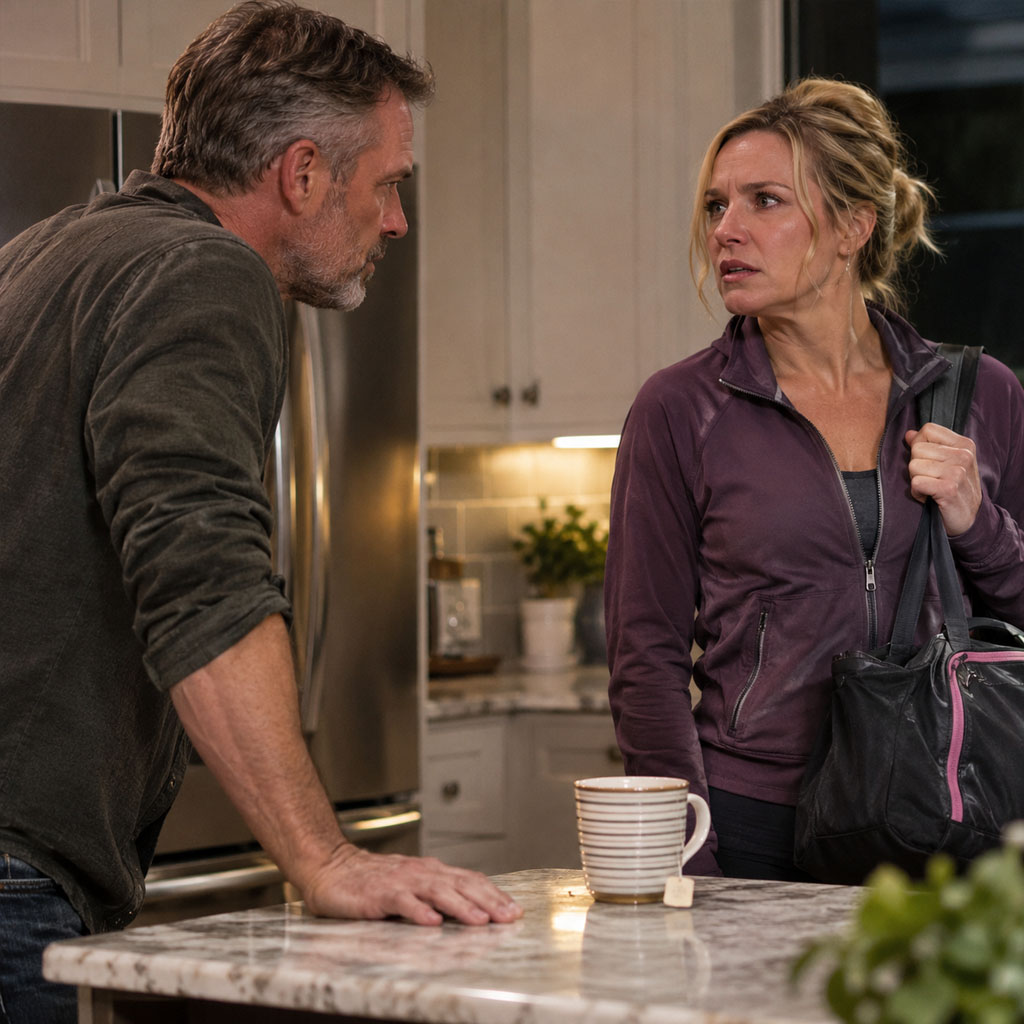
When we reached home, Rachel kicked off her shoes and made tea.
I took Grandpa Walter’s old medic insignia from my pocket and set it on the kitchen counter.
The metal was scratched and dull.
It was worth almost nothing to anyone else.
To me, it was priceless.
The following morning, my phone began ringing.
First came Aunt Linda.
Then two distant cousins.
Then a number I recognized as my mother’s.
I didn’t answer.
By afternoon, several messages had arrived.
My mother wanted to arrange a family dinner. Aunt Linda claimed she’d always believed in my potential. Daniel sent a brief message saying that things had gotten out of hand and that he hoped we could resolve our differences.
Not one of them began with an apology.
Three days later, my father contacted me through his attorney.
He wanted to discuss a possible short-term financing arrangement for his clinic.
The attorney also suggested that a private family meeting might help resolve the tension between us.
I declined.
The business decisions were transferred to independent executives and legal advisers so that my family relationship would not interfere with the process.
The financial review ultimately confirmed that Whitmore Surgical Associates was carrying more debt than its projected revenue could support.
Sterling Health decided not to purchase the clinic.
My father attempted to negotiate with creditors, but the clinic eventually entered bankruptcy proceedings.
I didn’t celebrate.
It was simply the result of financial decisions he’d made long before I attended the wedding.
Daniel’s application was also evaluated through the normal recruitment process.
He had strong surgical credentials, but the review committee selected another candidate with more extensive leadership experience and stronger professional references.
I stayed out of that decision.
Daniel remained a licensed physician with the ability to pursue other opportunities.
He’d lost one prestigious position, not his entire career.
His marriage, however, had suffered a deeper blow.
Olivia learned that Daniel had concealed not only my existence but also the financial trouble surrounding our family.
She postponed their plans to establish a home together and moved temporarily into her sister’s apartment.
A few weeks later, they separated.
I felt sorry for her.
She had entered that marriage believing she understood the man standing beside her. Discovering that he’d lied about his own brother was something no expensive wedding could repair.
One evening, nearly a month after the reception, I received a handwritten letter.
The return address belonged to my parents.
I opened it at the kitchen table.
My father had written only a few paragraphs.
He said he regretted the way things had unfolded at the wedding. He acknowledged that our relationship had been difficult and suggested that perhaps we had both made mistakes.
Then he explained that the bankruptcy had left him under tremendous pressure.
He asked whether I could help the family get through a challenging period.
At the bottom, he’d written:
“You will always be our son.”
I stared at those words for a long time.
Nine years earlier, he had told me the opposite.
I wanted to believe that somewhere beneath his pride, regret was beginning to grow.
But the letter contained no acknowledgment of the stolen opportunity, the false accusations, or the years of silence.
His financial crisis seemed to matter more than what he’d done to me.
I folded the letter and placed it in a drawer.
I didn’t write back.
A week later, I received a very different message.
It came from Mrs. Bennett, the clinic manager who had hired me to clean floors when I was 18.
She was retiring.
Her staff had planned a small celebration, and she wanted Rachel and me to attend.
We drove to the same modest clinic where our friendship had begun.
The building looked much as I remembered. The waiting room was still too small, the coffee still terrible, and the old clock behind the reception desk was still five minutes fast.
Mrs. Bennett greeted us with tears in her eyes.
“Look at you two,” she said. “I remember when Ethan could barely afford lunch.”
“Some days I still forget to eat it,” I replied.
She laughed and embraced us both.
During the celebration, one of the nurses introduced me to a young man named Marcus.
He was 19 and had recently completed his EMT training.
He looked nervous.
“Mr. Whitmore, I heard you started your company with one old ambulance.”
“That’s right.”
“I’m trying to get into the field, but my family thinks I should do something more impressive.”
The words were painfully familiar.
I asked him what he wanted.
He told me he wanted to help people during emergencies, especially in neighborhoods where medical assistance often arrived too late.
I smiled.
“Then you already have a reason worth working for.”
He looked at me hopefully.
“Do you think I could build something someday?”
“I think you should start by becoming excellent at what you do,” I answered. “Work with good people. Learn everything you can. And never let anyone convince you that compassion is an unimportant skill.”
Before leaving, I gave him the contact information for Harbor’s training and recruitment program.
I couldn’t promise him a job.
But I could promise he’d receive a fair opportunity.
That evening, Rachel and I stopped at the veterans medical center established in Grandpa Walter’s name.
A new transportation van had arrived that morning.
On its side were the words:
Walter Whitmore Veterans Medical Access Program.
Beneath them was a simple message.
Every journey deserves care.
I stood beside the van while Rachel took a photograph.
For a moment, I pictured my grandfather leaning against the vehicle, smiling with that quiet pride I’d loved so much.
He’d never needed a mansion, a luxury car, or a hallway filled with diplomas to know the value of a person.
He’d taught me that a meaningful life was measured by the help we offered when somebody needed us.
And finally, after all those years, I understood.
My father had tried to build a legacy around the Whitmore name.
I had built mine around the people we served.
One required others to admire us.
The other required us to show up.
Several months passed.
My parents continued trying to contact me occasionally, but I kept my distance. I didn’t wish them harm. I simply no longer believed that being related gave them an unlimited right to hurt me.
I hoped they might eventually recognize what they’d done.
If genuine accountability ever came, I could decide then whether reconciliation was possible.
Until that day, my peace was worth protecting.
One Sunday morning, Rachel found me standing on our back porch with a cup of coffee.
The sun was rising over the river, turning the water gold.
She stepped beside me.
“What are you thinking about?”
I smiled.
“Grandpa.”
She slipped her arm around my waist.
“He’d be proud of you.”
I looked at the small framed photograph of him that stood beside our living room window.
“I think he already was.”
Rachel rested her head against my shoulder.
We stood quietly, listening to birds gathering in the trees and the distant sounds of the city waking up.
Nine years earlier, I’d walked away from my childhood home carrying everything I owned in two garbage bags.
I had no money, no certainty, and no idea whether I’d ever accomplish anything worthwhile.
But I had carried something more important than my father’s approval.
I had carried a dream.
And along the way, I’d found people who believed in it.
The family that raised me had taught me how painful love could be when it came with conditions.
The family I built taught me that real love didn’t have to be earned through obedience, wealth, or status.
I no longer needed to prove that I was better than my brother or more successful than my father.
I only needed to keep becoming the kind of man my grandfather believed I could be.
A man who showed up when people needed help.
A man who treated others with dignity.
A man who understood that the worth of a human life could never be measured by a framed diploma, a prestigious title, or a bank account.
Rachel took my hand.
“Ready for breakfast?”
“Absolutely.”
We walked back inside together.
And as I closed the door behind us, I realized that the most valuable thing I’d ever built wasn’t a company worth millions.
It was a life I no longer needed anyone’s permission to love.
THE END.\
⚠️ All characters and events are fictional. Do not imitate or apply them in real life. 😌😌😌