Chapter 2
By midsummer, the warning signs were everywhere.
Preston’s club had opened with champagne smiles, professional photographs, and a ribbon-cutting ceremony starring my parents. By August, I could drive past at lunchtime and count four cars in a parking lot designed for a hundred.
Then road construction cut off easy access to the building.
By September, there were two cars.
One belonged to Preston.
I knew his operating costs couldn’t be covered by membership fees. The warehouse needed enormous amounts of heating and cooling. He had loans, equipment leases, payroll, and payments on the Porsche.
If Preston defaulted, the lender would take whatever it could.
Then it would pursue the people who had guaranteed his debt.
My parents.
And eventually, Preston would need cash.
Fast.
In early October, I visited my credit union.
The loan officer knew me. He had watched my accounts grow for years while I worked overtime, avoided consumer debt, and lived below my means.
“I may need to close on distressed real estate quickly,” I told him.
“How much?”
“Two hundred ten thousand.”
Within the hour, I had written confirmation that the funds could be made available.
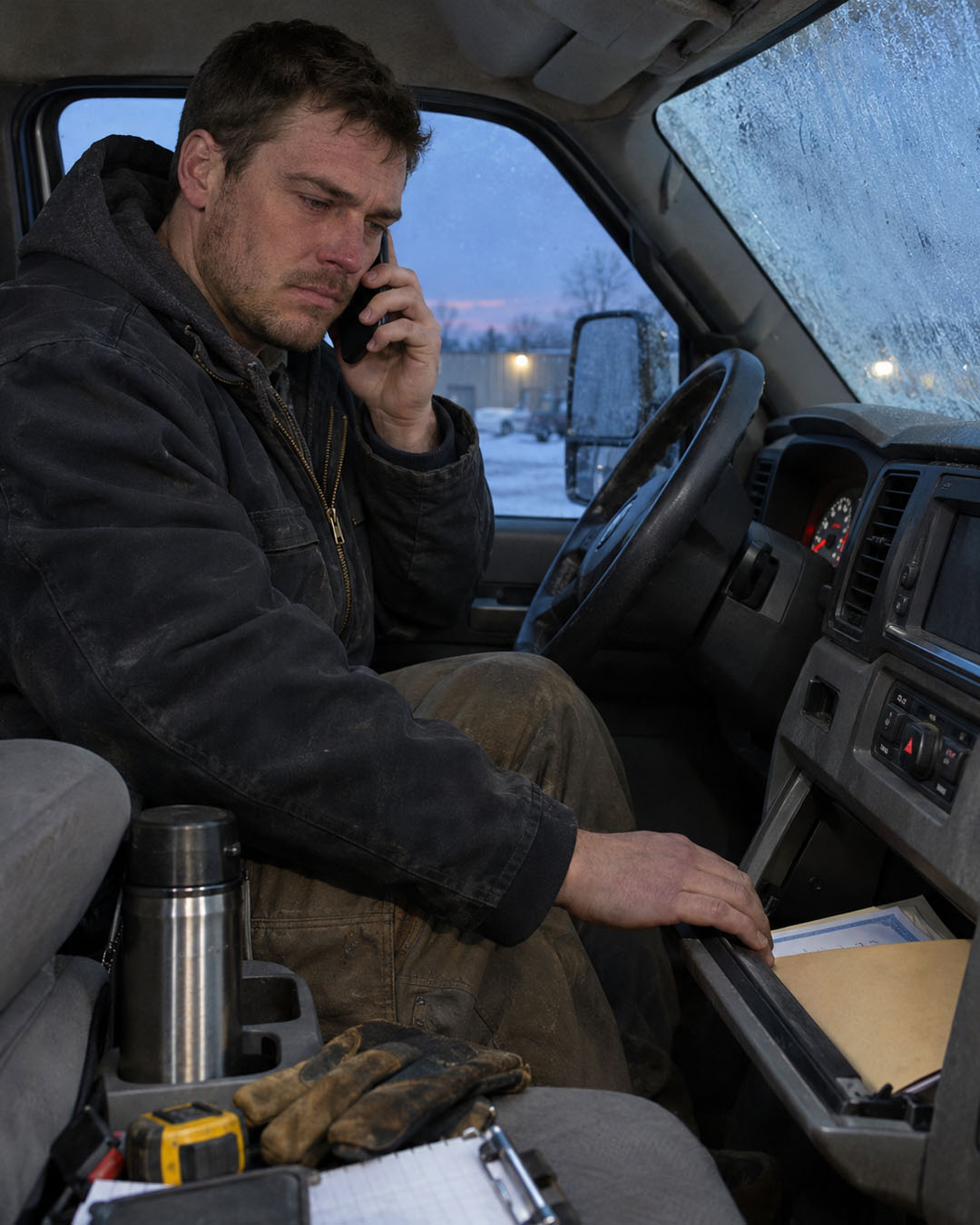
I put the letter in my glove compartment and waited.
Two weeks later, Preston announced that the sports club was closing.
No apology. No admission of mistakes.
His public statement blamed the economy, construction, changing consumer habits, and bad timing.
Then came Mom’s November phone call asking me for $30,000.
“We only need enough to get current,” she pleaded. “Just enough to protect the house while Preston sells some things.”
I asked about the lake.
Mom began crying.
“Preston wants to keep it for the children. That’s their inheritance.”
I almost laughed.
They expected me to drain my savings so Preston could keep Grandpa’s property.
“So he keeps the lake,” I said, “and I pay to save your house.”
“Honey, you’re making it sound—”
“If you need thirty thousand dollars, ask the man in the will.”
I ended the call.
Eight days later, Cotton Lake appeared for sale.
Asking price: $399,000.
It might have brought something close to that in June.
But this was late November. Snow covered the driveway. The lake was turning to ice. Nobody was wandering around rural Minnesota shopping enthusiastically for vacation property.
I waited.
One week.
No offer.
Two weeks.
Still nothing.
With the lender’s deadline approaching, I called the listing agent.
“I’ll offer $210,000,” I said.
He nearly choked.
“The property is listed for three ninety-nine.”
“I’m aware.”
“Your offer is extremely low.”
“It is also cash-equivalent financing, no inspection contingency, no repair requests, and I can close in fourteen days.”
That changed his tone.
“And your last name?”
“Whitaker.”
Silence.
“You’re related to the seller?”
“I’m his brother.”
Another silence.
Then the agent sighed.
“I have to present every legitimate offer.”
“I know.”
Preston called forty-two minutes later.
“Are you out of your mind?”
He was shouting loudly enough that I moved the phone away from my ear.
“You’re trying to steal Grandpa’s property!”
“It was given to you legally.”
“It is worth twice what you’re offering.”
“Then wait until summer.”
He stopped talking.
I continued.
“Can the bank wait until summer?”
His anger weakened immediately.
“Mom and Dad could lose their house.”
“I know.”
“You could give them thirty thousand and stop all this.”
“I have $210,000 available,” I said. “And I’m spending it on lakefront property.”
“You’re doing this because you’re jealous.”
“No. I’m doing it because I maintained that place for years while you ignored it. Then you changed the locks and threw Grandpa’s refrigerator beside the road.”
He breathed heavily.
“My offer expires tomorrow.”
“You’re heartless.”
“Twenty-four hours, Preston.”
Then I hung up.
The following afternoon, the signed purchase agreement arrived in my email.
I didn’t celebrate.
I walked into my garage.
Grandpa’s refrigerator kicked on.
For a few quiet seconds, I listened to the hum.
Chapter 3
Closing took place in December at a title company in Detroit Lakes during a snowstorm that made the streets nearly disappear.
I arrived wearing clean work clothes and boots. I wasn’t interested in dressing like someone else’s idea of success.
I expected Preston.
Instead, my entire family walked through the door.
Preston looked exhausted. His wife, Chloe, kept her eyes down.
My father came next in the dark wool coat he usually wore to funerals. Mom followed him, clutching her purse.
Nobody said hello.
Because the sale proceeds were going directly toward secured debt, my parents had paperwork of their own to sign.
The closing agent, a pleasant woman named Rachel Bennett, tried to maintain professional cheerfulness.
“All right, everybody. Let’s get through these signatures and get you home before the roads get worse.”
Papers moved across the table.
Preston signed angrily.
I signed carefully.
Finally Rachel checked her computer.
“The $210,000 transfer has cleared. Once recording is complete, ownership of the Cotton Lake property transfers to Aaron Whitaker.”
I heard the words but barely processed them.
Grandpa’s dock.
Grandpa’s porch.
The trees.
The little cabin.
Mine.
Not something someone could promise me, withhold from me, or use to make me behave.
Mine.
I reached into my coat and removed my checkbook.
The night before, I had written one additional check.
I slid it across the table toward Preston.
Amount: $1.
Memo: A sum of $1.
His face changed as he read it.
“A sum of one dollar,” he whispered.
Rachel stopped typing.
Dad closed his eyes.
I said, “That’s the inheritance I was given. I thought I’d pass it along. You seem to need it more.”
Preston stared at me.
Then, unexpectedly, he turned toward Mom.
“You want to tell him?”
Her head snapped up.
“Preston, please.”
“No. He deserves to know.”
Dad’s shoulders stiffened.
I felt something in the room shift.
Preston pointed toward our mother.
“You still think Dad wrote that note, don’t you?”
I said nothing.
“He didn’t.”
Mom covered her mouth.
Preston leaned toward me.
“Mom did.”
Chapter 4
I looked at her.
For months, I’d assumed Dad had ordered the cruel wording. His anger in the driveway, his lectures about duty, his constant defense of Preston—it all seemed to fit.
But suddenly I remembered the worksheet.
The careful cursive.
He’ll understand.
Then I remembered the recipe card taped to the casserole dish Mom had brought to my house.
Reheat at 350 for 40 minutes.
Same perfect handwriting.
Preston kept talking.
“I was at the lawyer’s office. Dad actually hesitated when they asked what to leave you. Mom took the pen. She wrote one dollar. Then she said, ‘Aaron will understand. He always does.’”
Mom began crying.
“Is that true?” I asked.
“Aaron, I thought you were strong enough.”
It was such a familiar answer that for a moment I felt almost nothing.
“You were always independent,” she continued. “Preston struggled. You didn’t. I thought you would understand why he needed more.”
“You thought being dependable meant I could be discarded.”
“No.”
“You wrote one dollar.”
Her tears came harder.
“I was trying to be practical.”
I turned toward Dad.
“That morning in the driveway—you knew.”
He looked older than he had when he walked in.
“I told her it was wrong,” he said.
“But you signed it.”
He lowered his eyes.
“I signed it.”
That sentence mattered more than any apology he might have invented.
He had disagreed.
Then he had done nothing.
I stood.
I left the dollar check on the table.
“Rachel, thank you for your patience.”
The closing agent removed her glasses and gave me the exhausted expression of someone who had seen families destroy themselves over money before.
“Take care of yourself,” she said.
I walked outside into the snow.
In my truck, I called my friend Miles.
“Did you get it?” he asked.
“I got the lake.”
For the first time in months, I laughed.
Not because Preston had lost.
Not because my parents were frightened.
Because Grandpa’s place was safe again.
The consequences, however, were not finished.
The $210,000 reduced the debt but didn’t erase it.
My parents eventually had to sell their house.
A young couple bought it the following spring.
During inspection, one problem delayed closing.
The garage door.
Only one torsion spring had ever been replaced.
Dad finally had to hire a professional to finish the repair I’d walked away from.
I heard the technician couldn’t understand why someone skilled enough to install one spring perfectly would stop halfway through the job.
Dad told him there had been a family emergency.
In a way, that was true.
After the sale and the bank’s collection, my parents moved into a modest two-bedroom apartment in a senior community.
The grand inheritance that had once approached a million dollars had mostly vanished.
The retirement accounts were gone.
The house was gone.
The lake belonged to me.
What remained of Preston’s sports-club dream was an empty warehouse and a fading FOR LEASE sign.
Nobody had stolen their future.
They had spent it trying to protect one adult son from the consequences of his choices.
Chapter 5
In February, a handwritten card arrived from Mom.
Aaron,
I am deeply sorry. I thought you would understand our reasoning and be strong enough to handle it. I see now how unfair that was.
Love, Mom.
I read it twice.
She had apologized, but even her apology carried the old assumption: that strength meant absorbing whatever the family placed on my shoulders.
I didn’t answer.
I put the card in my kitchen junk drawer.
Dad never contacted me.
Then, one April morning, my dispatcher sent me to repair a walk-in cooler at a senior living center.
I recognized the building as soon as I pulled into the parking lot.
My parents lived there.
For several seconds, I considered requesting another technician.
Then I looked at the work order.
Kitchen cooler. Temperature rising. Food at risk.
I grabbed my tools.
The machine was old and loud. After testing it, I found the problem.
A start relay.
I was kneeling on the kitchen floor when I heard slippers behind me.
Dad stood in the doorway holding a paper cup of coffee.
He looked smaller somehow.
He watched silently while I installed the replacement.
“What was wrong?” he finally asked.
“Start relay.”
He nodded.
“Same thing that went bad in your grandpa’s refrigerator.”
“Yeah.”
I flipped the power back on.
The compressor started with a heavy mechanical hum.
Dad stared into his coffee.
“I still have the dollar.”
I looked at him.
“The one you left on my dashboard.”
He swallowed.
“I keep it there. Your mother wanted me to throw it away. I wouldn’t.”
I closed my tool case.
“I don’t know what you want me to do with that information.”
“Nothing.”
His answer surprised me.
“I just wanted you to know.”
I printed the invoice and placed it on the kitchen counter.
“I charged this place the same rate I’d charge anybody else.”
Dad nodded.
A tired smile crossed his face.
“So did I, Aaron. For thirty-two years.”
Neither of us said anything after that.
I picked up my tools and left.
Forgiveness wasn’t something I owed on demand.
Neither was reconciliation.
Sometimes the most honest thing two people can share is finally recognizing the cost of what happened.
Chapter 6
By late May, Cotton Lake was open again.
Miles helped me rebuild the dock with stronger modular sections that could be pulled before winter. We repaired porch boards, checked the plumbing, replaced a few pieces of siding, and removed Preston’s ridiculous executive-retreat banner.
Then we brought Grandpa’s refrigerator home.
It took both of us to wrestle the heavy steel thing through the cabin door.
The old pale rectangle where it had stood for decades was still visible on the floor.
We positioned it there.
I plugged it in.
Nothing happened.
Miles looked at me.
“Give her a second.”
The compressor shuddered.
Then the old refrigerator started humming.
I sat on the porch while the sun dropped over the lake.
For years, I had thought getting that place back would feel like victory.
It didn’t.
Victory suggests somebody has to lose.
What I felt was quieter.
Ownership.
Peace.
A boundary nobody else could rewrite.
On July Fourth, I was sitting on the dock watching fireworks when an unfamiliar number texted me.
It was Preston’s fifteen-year-old son, Tucker.
Hey, Uncle Aaron. Dad said Grandpa Frederick’s cabin belongs to you now. Could I come fish sometime? I promise I won’t mess with anything.
I stared at the message.
Tucker hadn’t written the will.
He hadn’t changed the locks.
He hadn’t spent anybody’s retirement money.
He was a kid.
I remembered taking him fishing when he was six. He’d caught a tiny sunfish and looked as proud as if he’d landed a marlin.
For a long time, my family had treated love like an accounting system.
One child owed.
Another received.
One person’s mistakes became everybody else’s responsibility.
One person’s strength became an excuse to neglect him.
I didn’t want Tucker inheriting that.
So I typed back.
Bring your own worms. The dock’s ready.
A few seconds later, my phone filled with fish emojis.
I smiled and put it away.
Grandpa’s refrigerator hummed inside the cabin. The repaired dock stretched into the dark water. Somewhere across the lake, fireworks reflected in red and gold waves.
My mother’s card remained unanswered.
My relationship with Dad remained unresolved.
Preston and I had almost nothing to say to each other.
Maybe some things would change.
Maybe they wouldn’t.
But I finally understood something my parents never had.
Being strong doesn’t mean accepting whatever people do to you.
Being generous doesn’t mean financing their mistakes.
And breaking a family pattern doesn’t require destroying the people who created it.
Sometimes it simply means refusing to pass it on.
Tucker came fishing two weeks later.
He arrived carrying three containers of worms and enough snacks for a small army.
I handed him Grandpa’s old fishing rod.
We walked down the dock together.
Behind us, through the cabin’s screen door, the old refrigerator kept humming.
Steady.
Reliable.
Still working after all those years.
THE END.
⚠️ All characters and events are fictional. Do not imitate or apply them in real life. 😌😌😌