My Doctor Gave Me Six Months To Live. The Same Week, A Judge Let The Mob Boss’s Son Walk For Burning My Daughter’s Car With Her Locked Inside. She Survived With No Face Left To Recognize. He Laughed On The Courthouse Steps. “What Are You Gonna Do, Old Man? Sue Me?” I’m A Dying Green Beret With No Future, No Fear, And Nothing Left To Lose. I Had Six Months. I Only Needed Six Nights. One For Every Man In That Car. A Dying Man Has Nothing To Lose.
“Your daughter should have known when to stop talking,” the lieutenant said as the man accused of burning her walked free. Nobody in the courtroom challenged him, not even the judge. I straightened my funeral director’s tie, went to the hospital, and promised my daughter I would be there for her next surgery. Three nights later, a terrified evidence clerk handed me a receipt marked with the number of a case that had supposedly been closed seven years earlier.
Part 1: The White Card in My Pocket
For twenty-three years, I had made a living helping families survive the worst mornings of their lives. I knew how to straighten a crooked tie on a man who could no longer straighten it himself, how to arrange folding chairs so that nobody had to sit alone, and how to tell a mother she could take as much time as she needed without making her feel that someone was watching the clock. What I didn’t know was how to walk out of a doctor’s office carrying a small white appointment card that said I had approximately six months to live. I stood beside my truck in the hospital parking lot, turning that card between my fingers, wondering who would take care of my daughter when I was gone.
My name is Frank Mercer, and I was sixty-one years old when all this happened. I owned Mercer & Daughter Funeral Home in Bellhaven, Ohio, a lake town where the fishing boats went out before sunrise and almost everybody knew which families were having trouble before those families knew it themselves. The building had belonged to my grandfather, then my father, and finally me, although I had changed the sign from Mercer & Sons when my daughter, Claire, earned her paramedic certification. She laughed when she saw it because she had no intention of becoming a funeral director, but I told her the sign wasn’t a job offer.
“It means there’s somebody worth leaving things to,” I said.
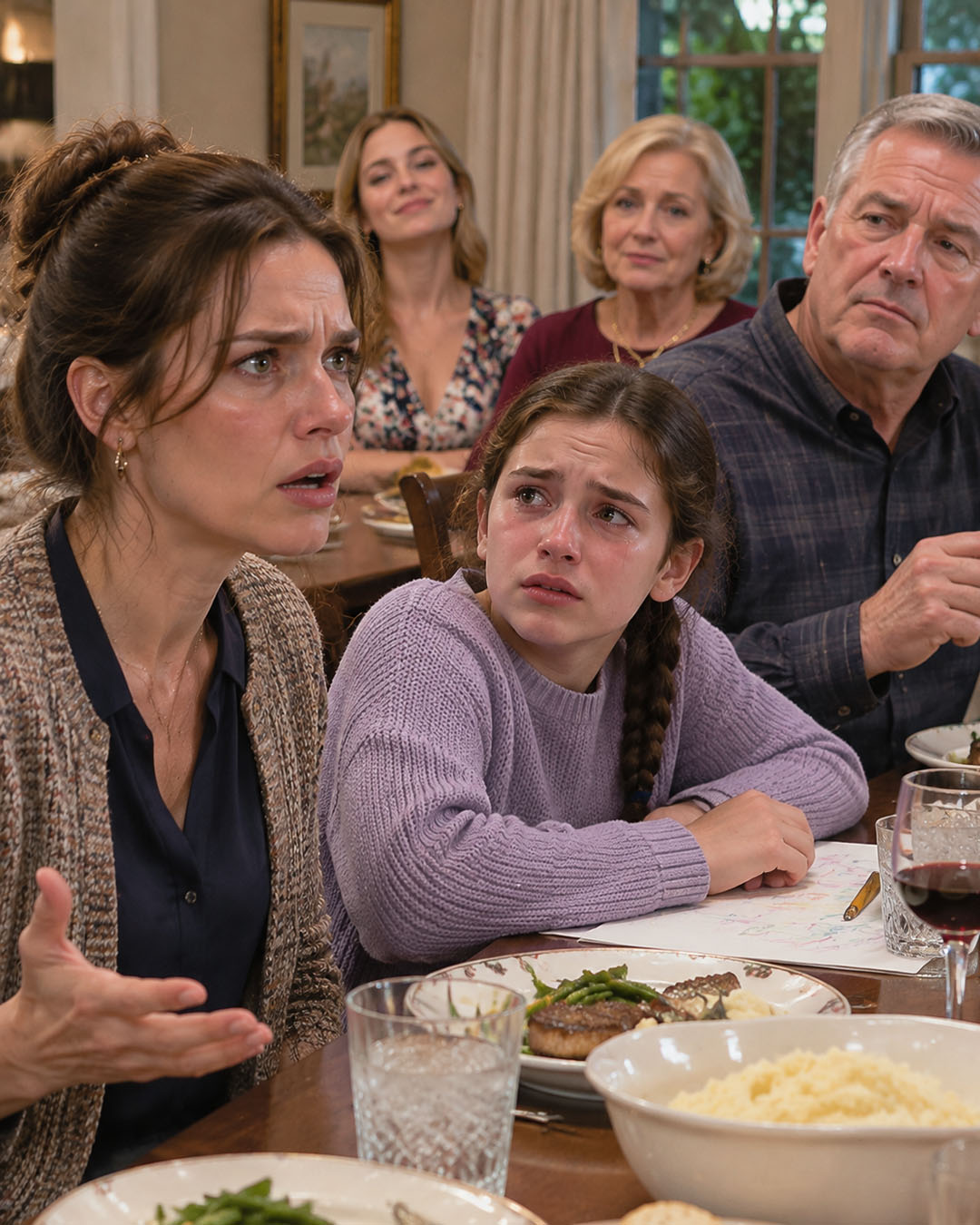
My wife, June, had died eight years earlier, and the two of us had never quite learned how to occupy the house without her. Claire kept June’s chipped blue coffee mug in her apartment, while I kept every grocery list she’d ever written tucked inside the cookbook beside our kitchen stove. Sunday dinners became our compromise with grief, two people sitting beneath the copper pans June had collected from garage sales, pretending that an ordinary meal could keep a family from getting smaller. Claire was twenty-nine, stubborn in exactly the way her mother had been, and usually exhausted from working nights on the county ambulance.
I had served in the Army before taking over the business, and people occasionally mistook that history for some hidden toughness. The truth was that I came home with a damaged hip, a habit of sleeping lightly, and an understanding that organized men could make terrible decisions while convincing themselves they were doing their jobs. My father needed help, and the funeral home offered something military life rarely had: the opportunity to leave people a little less frightened than I found them. I spent the next two decades doing that work, never imagining I would eventually need those same skills to confront the people who had destroyed my family.
The trouble began with a pain beneath my ribs that I blamed on coffee, irregular meals, and getting older. When it spread into my back, Claire insisted I see Dr. Miriam Holt, a physician at Bellhaven Regional who had treated June during her final illness. The scans showed advanced pancreatic cancer, too far along for surgery, and Dr. Holt explained my options with the particular care of someone who understood that every sentence might become a memory. Treatment might buy time, she said, but the outlook was poor, and six months was a reasonable estimate rather than a promise.
I asked about appointments, paperwork, and whether I would still be able to work. Dr. Holt answered each question, then finally put down her pen and asked whether I had understood what she’d told me. “I understand,” I said, although what I really understood was that Claire would lose both parents before she turned thirty. I left with a referral, several pamphlets, and that white card, on which a nurse had written “Follow-up — 6 months” and circled the number twice.
I decided to tell Claire at Sunday dinner, after giving her one more week without something else to worry about. That decision lasted three days.
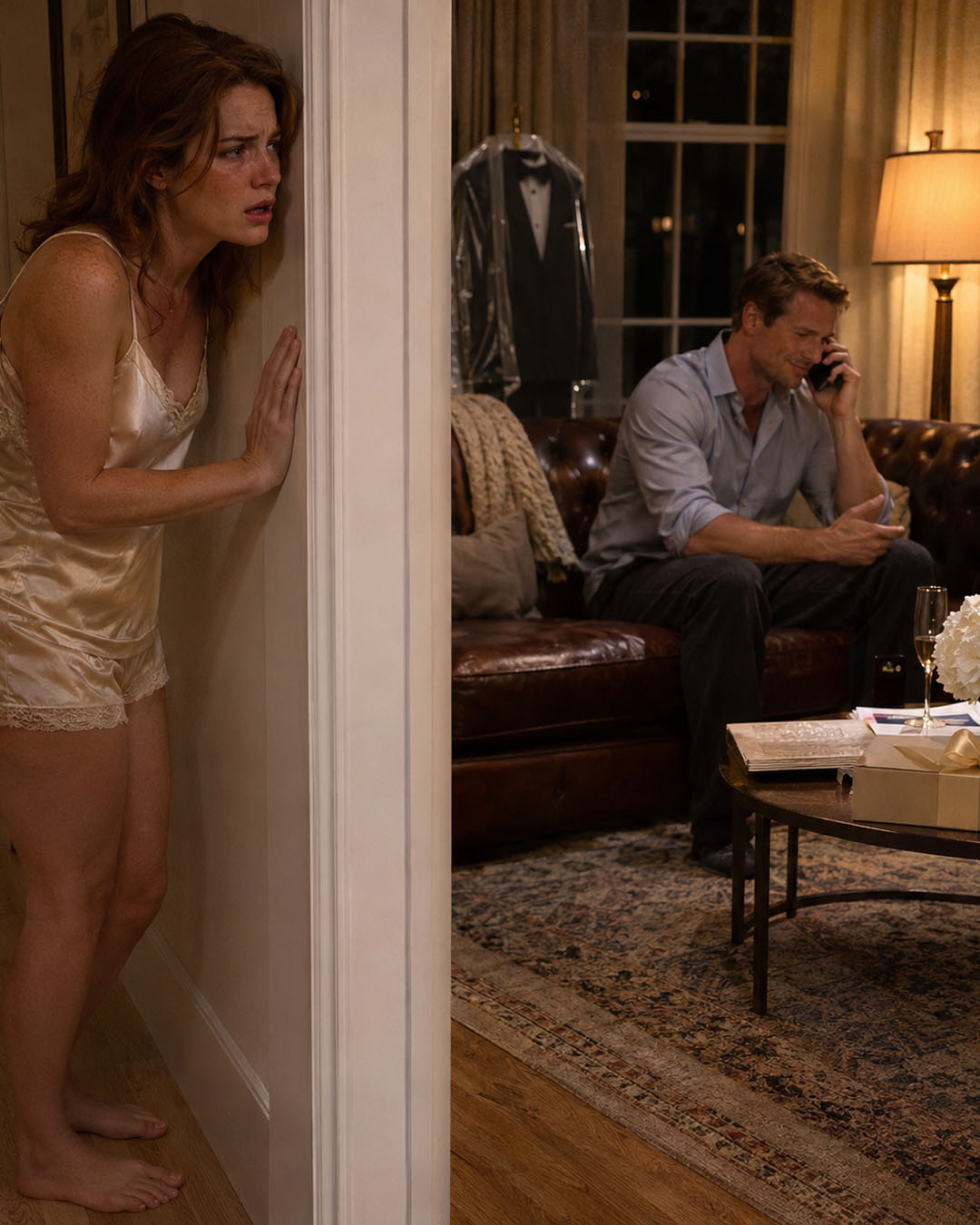
On Thursday, Claire worked a double shift because another paramedic had called in sick. She texted me shortly after nine that evening, complaining that the hospital cafeteria had run out of anything edible and asking whether I’d make her breakfast on Sunday. I replied that pancakes were negotiable but that she was responsible for bringing the blueberries. It was the last ordinary conversation we had for a very long time.
At 2:43 Friday morning, the telephone beside my bed rang, and a woman from Bellhaven Regional asked whether I could come immediately. She wouldn’t tell me what had happened beyond saying Claire had been seriously injured, and when I arrived, the emergency department smelled of disinfectant, wet clothing, and something faintly metallic. A surgeon took me into a consultation room and explained that Claire’s Subaru had caught fire in the employee parking garage shortly after her shift. Then he corrected himself and said it had been deliberately set on fire while she was still inside.
The security footage was missing, and the doors of the car had apparently been prevented from opening. Claire had escaped through a broken side window, but not before suffering severe burns to her face, neck, and left arm. There would be operations, grafts, extensive rehabilitation, and complications nobody could predict, the surgeon told me. When he finished, I noticed that he had folded the corner of a paper cup until it split.
I was allowed into the intensive care unit for less than two minutes. Most of Claire’s face was covered, and tubes and dressings made her look painfully small beneath the white hospital blankets, but her right eye moved when I spoke her name. I put my hand beside hers, and she caught my fingers with surprising strength. “I’m here, sweetheart,” I told her, and the machine monitoring her heartbeat began making a faster, sharper sound.
Outside her room, I leaned against the wall and tried to remember whether I had said anything useful. I could recall the smell of warm plastic from the medical equipment and the thin scratch her fingernails had left across my knuckle, but I couldn’t remember telling her that I loved her. I walked back to the glass door and stood there until a nurse gently asked me to move. For the first time since June’s funeral, I felt the particular helplessness of being a father who had nothing left to offer except his presence.
By Saturday morning, the police had a suspect: Blake Voss, the thirty-two-year-old son of Grant Voss, who owned the largest salvage operation on the lakefront, a controlling interest in Northshore Gaming Hall, and enough local politicians to make election signs seem unnecessary. Claire knew Blake because she had treated a nineteen-year-old woman named Rae Bennett following an incident at the Voss family’s private boathouse the previous summer. Rae had died despite Claire’s efforts, and Claire had refused to change her ambulance report when a sheriff’s lieutenant suggested that some of her observations were unnecessary. The report had included the time emergency services were called, the condition in which Rae was found, and the fact that Blake had tried to take Rae’s phone before the ambulance left.
Three weeks before the fire, Claire had received a subpoena to testify before a state grand jury investigating irregularities surrounding Rae’s death. She had told me about the subpoena over dinner, making it sound like a routine inconvenience, although I remembered the way she’d checked the lock on the back door before leaving. Now Blake’s fingerprints had supposedly been recovered from an item near the burned Subaru, and an employee had identified his black Lincoln in the parking garage. The sheriff promised an aggressive investigation, which sounded reassuring until I noticed Lieutenant Warren Keene standing behind him, carefully avoiding my eyes.
On Monday, I collected Claire’s spare apartment key, canceled her newspaper delivery, and brought a few photographs to her hospital room. I chose one of June holding her as a baby, another from Claire’s certification ceremony, and a terrible picture of the two of us making pancakes with flour scattered across the kitchen. While I placed them on the windowsill, Claire stirred and tried to speak through her damaged throat. I bent close enough to hear three words that stayed with me long after the doctors had finished explaining everything else.
“It wasn’t Blake.”
Part 2: The Men Behind the Glass
Claire couldn’t speak again that afternoon, and the nurses warned me not to push her. I spent the next two days wondering whether she had been confused, whether she meant Blake hadn’t acted alone, or whether the police had arrested the wrong man entirely. When she was finally strong enough to communicate with a marker and a small whiteboard, she wrote, “Blake was there, but someone told him what to do.” Underneath, with her hand trembling so badly the letters almost touched, she added, “Ask about Rae’s records.”
I already knew more about Rae Bennett than Claire realized. Rae had worked briefly in the billing office at Voss Marine Recycling, taking evening classes at the community college and helping her mother care for two younger brothers. After her death, her mother, Diane Bennett, had come to my funeral home with an insurance policy that barely covered a basic service and a grocery receipt on which she’d written a list of relatives to call. I had reduced the bill without discussing it, and Diane returned three weeks later carrying a homemade peach pie and asking whether I believed her daughter’s death had been an accident.
At the time, I told her I wasn’t qualified to answer that question. She explained that Rae had recently complained about unusual nighttime shipments at the recycling yard, trucks whose paperwork didn’t match the cargo moving across the scale. Rae had taken photographs and promised to show someone outside the company, but the night she died, Blake supposedly invited her to a gathering at the boathouse to settle a payroll dispute. Diane said the police had collected Rae’s phone and then informed her that it contained nothing useful.
I remembered that conversation as I sat beside Claire’s bed, watching the afternoon traffic inch along the boulevard outside. Rae’s mother had been asking me to believe that powerful men had made her daughter disappear behind a convenient explanation. I had offered sympathy and a discount, two things I knew how to give, when what she needed was somebody willing to examine the parts of her story that frightened everybody else. It occurred to me that I had spent a lifetime making people comfortable with death while occasionally helping them become comfortable with questions left unanswered.
Five weeks after Claire’s attack, Blake Voss appeared in county court wearing an expensive navy suit and a watch that probably cost more than my hearse. His attorney, Elliot Crane, was a former prosecutor with silver hair, understated cuff links, and a reputation for making evidence problems sound like constitutional principles. I didn’t expect the case to be simple, but I had believed the photographs, witness statements, and forensic evidence would at least survive a preliminary hearing. Instead, one item had an incomplete custody log, another had been stored without the required documentation, and the records identifying Blake’s fingerprints had vanished from the sheriff’s property room.
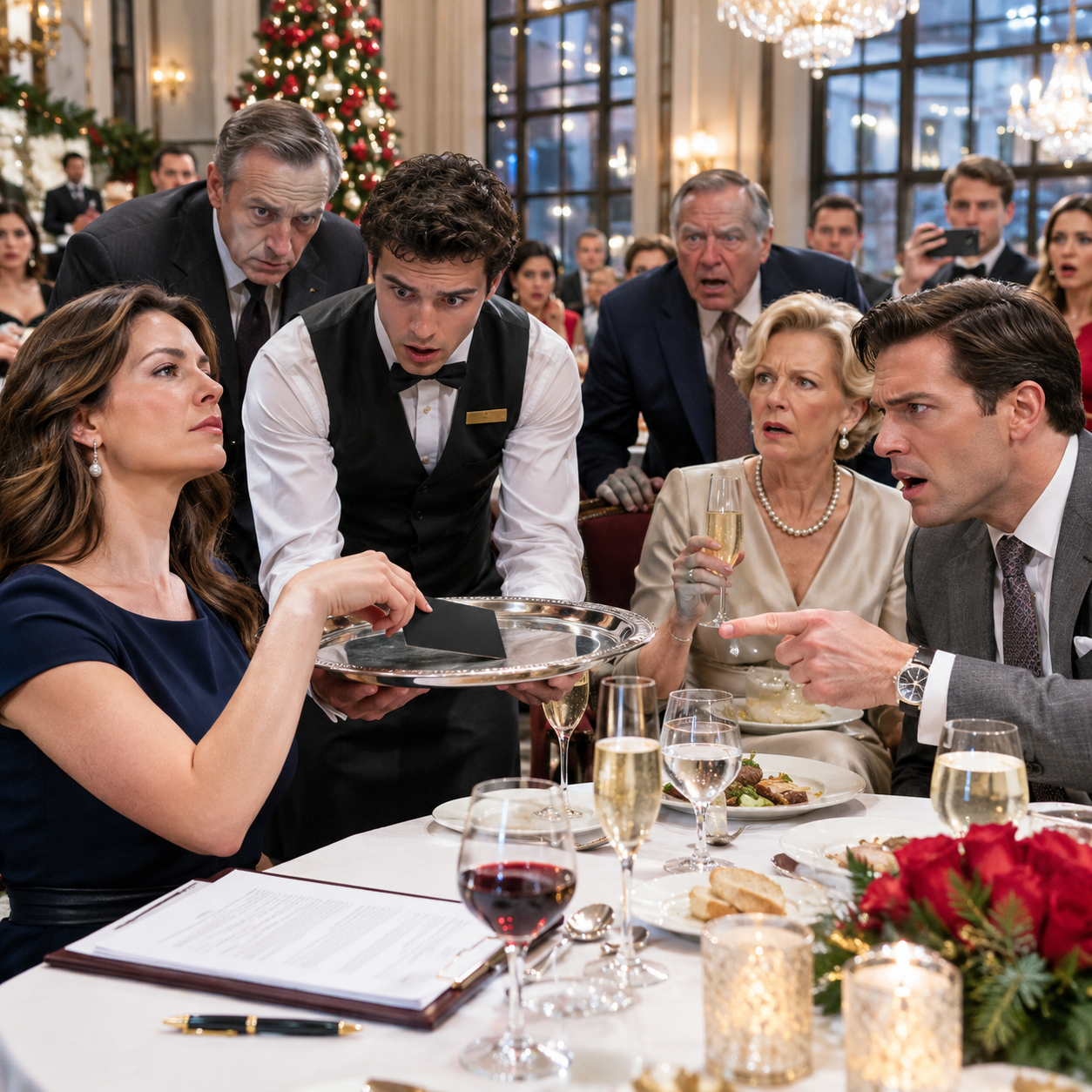
Crane presented the failures as proof that the investigation was fundamentally unreliable. Judge Lawrence Whitcomb, who had attended Grant Voss’s holiday parties for twenty years, agreed that the prosecution had not established the necessary foundation for the evidence and dismissed the charges with prejudice. The judge criticized the sheriff’s office for its handling of the investigation while Keene sat at the back of the courtroom looking appropriately embarrassed. No one mentioned that Keene had personally supervised the collection of almost everything that had gone missing.
I remained seated after the hearing while Blake embraced his attorney and Grant shook hands with a county commissioner. I could hear Claire’s name being discussed in the hallway by people who seemed more concerned about the inconvenience of the case than the woman still undergoing operations upstairs at the hospital. When I finally stood, Keene came over and rested a hand on the back of the bench. “Your daughter should have known when to stop talking,” he said quietly, as though sharing advice about a difficult neighbor.
I looked at his hand, then at his face, and asked whether he wanted that statement included in my complaint to the state attorney general. He withdrew his hand and gave me a smile that never reached his eyes. “You’re upset, Frank, and understandably so,” he replied, before walking toward the elevators. I had the strange sensation of hearing a familiar voice through a wall and realizing I had never truly known the man speaking.
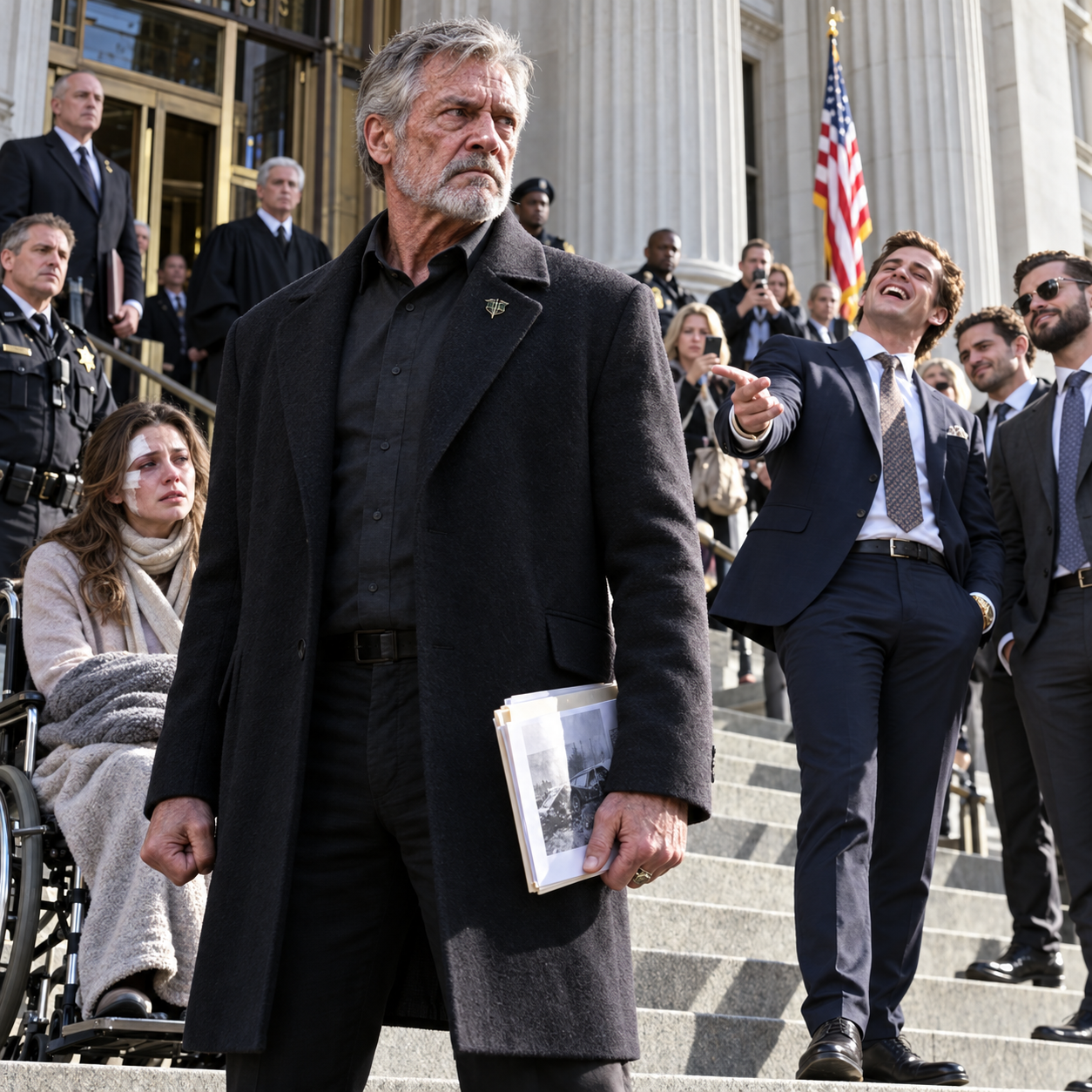
Blake caught me outside, where rain had left the courthouse steps slick and dark. He stood one step above me with two men behind him, smiling like someone who had just completed an unpleasant errand and intended to celebrate. “I hear Claire’s doing better,” he said, although I knew he hadn’t asked anyone about her. When I didn’t answer, he spread his hands and added, “What are you going to do, Mr. Mercer, sue my family?”
One of his companions laughed, and Blake joined him before walking toward the black Lincoln waiting at the curb. I watched the chauffeur hold the rear door open for him, then close it with the careful efficiency of a man who had been doing the same job for decades. I recognized the driver as Arthur Bell, whose wife, Margaret, I’d buried six years earlier. He looked briefly in my direction, but his expression was so carefully empty that I couldn’t tell whether he had recognized me.
I drove directly to Dr. Holt’s office and asked her to explain what the next few months might look like if I remained physically active. She spoke about pain management, treatment choices, fatigue, and the importance of not confusing a good morning with evidence that the disease had stopped advancing. When I told her I needed enough time to put my affairs in order, she asked whether I had told Claire about the diagnosis. I admitted I hadn’t, and she looked more disappointed than I had expected.
“Your daughter deserves to know what’s happening to her father,” she said. I told her she was recovering from injuries that would change the rest of her life, and I couldn’t make her responsible for my fear as well. Dr. Holt didn’t argue, but she explained that silence might eventually cost Claire something we couldn’t replace. Her warning followed me home, where I put the medical card on the kitchen table and stared at the circled six until the light outside turned gray.
That evening, a hospital security guard named Silas Hodge came to the funeral home carrying his cap in both hands. I’d known him since his mother’s funeral, and he looked older than the fifty-seven years he had accumulated working nights at the hospital. He told me he’d approached the Lincoln on the night of Claire’s attack because it had stopped across an access lane, blocking the route emergency vehicles sometimes used. Six men were inside, he said, including Blake, Arthur, Lieutenant Keene, and another man whose face he hadn’t seen clearly.
Silas had mentioned the vehicle to investigators, but Keene instructed him to leave it out of his formal statement because the timing couldn’t be verified. The garage camera system, Keene claimed, had suffered a malfunction hours before the attack, and Silas had no independent way to prove exactly when he saw the car. I asked why he was telling me now, and he said his supervisor had unexpectedly reassigned him to a daytime entrance where he couldn’t access the garage records. He was frightened of losing his job, but he was more frightened of what might happen to another woman walking to her car after midnight.
Before leaving, Silas handed me a small photograph he’d taken of a service notice pinned beside the hospital’s security office. The notice recorded an outside contractor’s access to the camera network three hours before Claire’s attack, despite the department’s claim that the system had failed unexpectedly. Near the bottom was the signature of a county employee named Paul Danner, whom I recognized as the evidence clerk responsible for Blake’s missing fingerprint records. Silas said Danner had visited the hospital the week after the fire and seemed alarmed when he noticed the notice hadn’t been removed.
I made a copy of the photograph and placed the original in an envelope for the state investigator whose number Claire’s attorney had given us. Then I turned over my medical card and wrote down six names, leaving space beside each for something I hadn’t yet discovered. I wasn’t making a list of men to hurt, although I understood how easily grief could turn such a list into one. I was trying to identify the people who had built a wall around Blake Voss, because somewhere inside that wall were the facts the courthouse had refused to hear.
At midnight, I switched off the chapel lights and found a folded note beneath the front door. It contained an address, a cemetery section number, and seven words written in a shaky hand: “Ask Paul about what happened to Ortiz.” I knew exactly which Ortiz the note meant, because seven years earlier I had buried a deputy named Luis Ortiz after a police operation that the sheriff’s department had called a tragic accident.
I took the little white card from my pocket and looked at the first name on its back. The investigation into Claire’s attack had been destroyed in a matter of weeks, but the note suggested that somebody had been destroying evidence in Bellhaven for years. By the time I understood that, my six months no longer seemed like the important number. I needed to know how many nights it would take to make the people responsible start telling the truth.
Part 3: The First Two Nights
Paul Danner had been county evidence clerk for sixteen years, and I had buried his mother in a spring rainstorm so heavy that the cemetery roads nearly washed out. He was forty-seven, unmarried, and one of those men who apologized when somebody else bumped into him in a grocery aisle. His mother, Eleanor, had spent her final years worrying about his drinking and the gambling debts he kept promising to settle. After her funeral, I stopped sending him statements for the remaining balance because I couldn’t bring myself to demand money from a man who looked defeated every time I saw him.
The following Thursday, I found Paul sitting beside his mother’s headstone shortly before eleven at night. He had parked beyond the cemetery gates and walked through the rain without an umbrella, leaving his shoes covered with mud and his gray county jacket hanging heavily from his shoulders. I recognized the shape of him beneath the old maple tree before he noticed me. When I asked whether he wanted company, he looked toward the road and said, “I was hoping you’d come, Frank, but now that you’re here, I’m scared to death.”
I sat on the wet grass beside him, ignoring the protest from my hip. Paul stared at the ground for several minutes before explaining that he owed Northshore Gaming Hall nearly fifty thousand dollars, a debt accumulated through private credit arrangements that became more difficult to escape every time he tried to pay something down. A man representing Grant Voss had offered to make the balance disappear if Paul removed certain entries from the evidence system and misplaced the physical cards identifying Blake’s fingerprints. Paul had agreed, then discovered that the people who owned his debt had no intention of releasing him from their control.
“They told me it was only paperwork,” he whispered. “They said the case would be dismissed because the investigators hadn’t done their jobs, and nobody could prove otherwise.” He began rubbing his hands together so hard that the skin around his knuckles reddened. “But I knew what had happened to Claire, Frank, and I still did it.”
I wanted to tell him exactly what that decision had cost my daughter, but he already knew. Instead, I asked about the note beneath my chapel door, and he admitted that he’d left it after seeing Silas Hodge drive away from the funeral home. Paul explained that the evidence tracking system assigned permanent reference numbers to transfers, and somebody had reused an archived authorization connected to the death of Deputy Luis Ortiz to access Claire’s case. The number was R-417, and the employee approval attached to both incidents belonged to Lieutenant Keene.
Paul took a folded receipt from inside his jacket and handed it to me with fingers that wouldn’t stop shaking. It showed a transfer from the sheriff’s property room to an outside storage facility seven years earlier, followed by a second entry authorizing the destruction of material that had supposedly never been collected. At the bottom was Keene’s signature, accompanied by an administrative code that appeared again in the records documenting the missing evidence from Claire’s case. “I wasn’t even supposed to have this,” Paul said. “I printed it before they locked me out.”
The next thing I did was difficult to justify, even to myself. Earlier that afternoon, I’d withdrawn money from a retirement certificate and paid Paul’s outstanding gaming balance directly to the company that held it, keeping the stamped receipt and the bank records. I had not asked for a statement in exchange, and I knew that any prosecutor would have to disclose my payment because a defense attorney could argue that I had purchased his cooperation. Still, I wanted Paul to have one decision in his life that didn’t belong to Grant Voss.
When I handed him the receipt, he stared at it with such disbelief that I thought he might become angry. “You can’t afford this,” he said, and he was right, because the money had been intended to replace the funeral home’s aging refrigeration system. I told him the payment wasn’t forgiveness and wouldn’t protect him from prosecution for what he’d done. “You can keep lying and hope they finally leave you alone,” I said, “or you can tell the truth and accept what comes with it, but I won’t have you making that choice because someone threatens to take your mother’s house.”
We stayed beside the grave until Paul stopped shaking enough to stand. I called Naomi Shaw, an investigator with the Ohio attorney general’s office, whom Claire’s attorney had recommended after the local case collapsed. Naomi had already reviewed the complaint and agreed to meet Paul with independent counsel at the cemetery entrance before sunrise. When her car arrived, Paul walked toward it carrying the old receipt, and I watched him climb inside without looking back.
That was the first night. By noon the following day, Paul had provided a recorded statement, surrendered copies of the altered records, and signed an agreement allowing investigators to examine his work computer. His cooperation didn’t erase his crimes, but it gave Naomi a documented trail that the county couldn’t quietly rewrite. As I stood in the funeral home’s kitchen afterward, Dr. Holt called to discuss treatment, and I realized I had spent the money intended for my retirement without making a single decision about the months I supposedly had left.
The second night began with a call from the county coroner shortly after midnight Friday. A mechanic named Lucas Moran had been found dead at the Harborview Motor Lodge, and the authorities needed someone to transport him after the medical examiner released the room. I had handled hundreds of late-night calls, but Lucas’s name troubled me because he worked at the Voss recycling yard and had recently tried to contact an attorney about unpaid wages. I drove the removal van through an empty downtown, passing the gaming hall where Paul’s debt had been settled less than thirty-six hours earlier.
The motel stood beside Route 6, with a broken sign, a vending machine that hummed louder than the traffic, and curtains that never seemed completely closed. A deputy waited outside room fourteen while the medical examiner finished his work, and I remained by my van until someone told me the room was ready. Inside, a young man sat on the edge of the neighboring bed with his elbows on his knees, staring at the carpet. I recognized Miles Kessler immediately, although he had lost so much weight since his mother’s funeral that his sweatshirt hung from him like borrowed clothing.
Miles was Grant Voss’s nephew and Blake’s younger cousin, twenty-eight years old, employed intermittently at the recycling yard. His mother had died five years earlier, and I remembered him standing at her graveside without looking at the coffin, his jaw clenched so tightly that he could barely answer when I spoke to him. Now he watched me prepare to move Lucas, then said, “He was supposed to help me get out of town.” When I asked what he meant, he wiped his mouth on his sleeve and explained that Lucas had been collecting copies of old transport records in case someone tried to blame him for what happened at the yard.
The medical examiner hadn’t determined how Lucas died, and I wasn’t going to invent an answer simply because the room felt wrong. I told Miles that Lucas deserved an honest examination, and Miles laughed bitterly as though honesty were some expensive service nobody in Bellhaven could afford. He said Blake had ordered the destruction of a black Lincoln that Monday, and Lucas had been the mechanic assigned to remove its interior fittings before the vehicle was crushed. When I asked why that frightened him, Miles began to cry with the embarrassed desperation of a man who had been trying not to for weeks.
He told me how Blake had demanded that Claire be frightened into abandoning her testimony, how Arthur Bell drove the Lincoln into the hospital garage, and how Keene assured the others that the cameras would be useless. Elliot Crane had been there as well, carrying a leather briefcase that Miles remembered because he kept it clutched against his chest even when everyone else became alarmed. Paul Danner had been brought along to handle the paperwork afterward, while Miles himself had been ordered to carry the container used to start the fire. Blake had promised nobody would be seriously hurt, but after the doors were held shut, he refused to let anyone intervene until Claire broke free.
“I heard her screaming,” Miles said, covering his face. “I hear it when I close my eyes, and I know I don’t deserve to forget it.” I had no intention of comforting him with the suggestion that he was innocent, because he wasn’t, and my daughter would carry the consequences of his actions for decades. But I had buried his mother, and I knew she had spent years trying to teach him that admitting a terrible mistake was better than spending the rest of his life repeating it. I told him that whatever happened next, he had to accept that telling the truth would cost him something.
Miles agreed to speak with Naomi, although he asked for an attorney and protection before naming the others formally. By morning, state investigators had obtained an order preserving the Lincoln and related business records, while a patrol unit remained outside the recycling yard to prevent the vehicle from being destroyed. Miles was transferred to a secure medical facility for evaluation and then questioned with counsel present. I returned home knowing two things that I hadn’t known forty-eight hours earlier: six men had participated in the attack, and Blake’s father had allowed the people involved to begin erasing the evidence before the smoke had cleared.
There was a smooth gray stone on the hood of my hearse when I arrived. Beneath it lay a single sheet of paper with one sentence typed in the center: “Old men don’t always get the time their doctors promise.” I folded the paper and placed it beside my medical card, then noticed a black sedan parked across the street with its headlights off. Whoever had left the message knew about my illness, which meant somebody inside the life I had trusted for twenty-three years was passing information to Grant Voss.
Part 4: The Widow Who Kept Every Paper
I didn’t sleep after finding the note. I sat at the kitchen table while the refrigerator clicked through its cooling cycle and looked at the six names on the back of my appointment card: Paul Danner, Miles Kessler, Warren Keene, Elliot Crane, Arthur Bell, and Blake Voss. Beside Paul’s name, I wrote “Debt,” and beside Miles’s, I wrote “Fear,” although neither word was an excuse for what they had done. When the morning light finally appeared through the kitchen blinds, I understood that Keene would be much harder to reach because he had spent most of his adult life turning official authority into personal protection.
Lieutenant Warren Keene was fifty-four, broad-shouldered, gray at the temples, and famous for coaching youth football. He volunteered at holiday toy drives, attended funerals in a department dress uniform, and always remembered to ask people how their parents were doing. I’d signed enough death certificates alongside his name to recognize his handwriting without looking at the signature. I had also seen him use the same warm voice to comfort a grieving family that he later used to discourage them from asking questions.
Seven years earlier, Deputy Luis Ortiz died during an operation at a condemned warehouse on the south side of Bellhaven. The official report said Luis had been struck during an exchange of gunfire with a suspect, but the suspect’s position never seemed consistent with the injuries I had observed when the body was brought to my funeral home for temporary care. I raised the discrepancy with the county medical examiner and was told that investigators had already considered the circumstances. I accepted that explanation because I had a business to run, a daughter in school, and a wife who was still alive then, and I had never stopped being ashamed of how easily I let the matter disappear.
Luis’s widow, Lena Ortiz, remained with the sheriff’s department after his death. She was forty-nine, worked in internal affairs, and had developed a reputation for being meticulous about documentation, which her supervisors praised whenever the subject was harmless. When she raised questions about her husband’s death, those same supervisors called her grief unresolved and warned her that continuing to revisit the investigation could damage her career. I knew where she lived because I’d delivered sympathy flowers to the house after the funeral, and on Saturday evening I drove there carrying the only thing I could offer that might matter.
She opened the door wearing sweatpants and an old department sweatshirt, with reading glasses pushed into her hair. A wooden crucifix hung beside the entryway, and a framed photograph of Luis stood on a narrow table beneath it, surrounded by family pictures from happier years. Lena looked at the folder in my hand, then at my face, and said, “If this is about Claire, I can’t promise the department will help you.” I told her it was about Luis, and she stepped aside without another question.
We sat at her kitchen table beneath a clock that ticked loudly enough to fill the spaces between sentences. I explained what I remembered of Luis’s injuries, the concern I had raised at the time, and my failure to insist that someone explain the discrepancy in writing. Lena didn’t interrupt, but when I said that I had been afraid of damaging my county contract, she closed her eyes for several seconds. “I spent seven years wondering if somebody knew something and was too frightened to tell me,” she said, opening them again.
I apologized without offering a defense. She asked why I had come now, and I explained that Claire had been attacked after documenting another crime connected to Keene, and that the same archived authorization number appeared in both cases. I also told her about my diagnosis because I was tired of making a secret of it in rooms where honesty mattered. Lena listened until I finished, then walked to a closet and returned with a large cardboard box marked “Luis” in thick black letters.
Inside were copies of reports, photographs, handwritten notes, correspondence with the medical examiner, and records of complaints she’d filed through the department. She had collected everything while other people suggested that moving on would be healthier, and several of the documents contained details I’d never seen. Luis had been investigating shipments moving through an abandoned industrial dock owned by a Voss subsidiary, and two weeks before his death, he had requested records concerning waste-disposal contracts with three neighboring counties. The request disappeared from the department’s files after the warehouse operation, but Lena had kept the original acknowledgment.
She laid a photograph on the table showing Luis standing beside a chain-link fence near the old south pier. Behind him were several industrial containers marked with the same company insignia that appeared in Rae Bennett’s employment records, although the containers were supposed to have been removed from the site years earlier. “He told me something was being buried along the shoreline,” Lena said, tracing the edge of the photograph. “He thought the contracts were paying companies to dispose of material that was simply being moved from one piece of county land to another.”
Luis had suspected that some shipments were never properly processed and that invoices for legitimate disposal were being used to disguise the missing work. He also believed local officials were approving inspections without visiting the sites, and he had planned to take his concerns to authorities outside the county. Three days before the warehouse raid, he told Lena that Keene had offered him a promotion in exchange for abandoning the investigation. Luis refused, and Keene placed him on the operation that eventually killed him.
As Lena spoke, I remembered the closed coffin at Luis’s service and the way Grant Voss had stood near the back of the chapel shaking hands with deputies. He had donated money to the Ortiz family afterward, presenting the gesture publicly as gratitude for a fallen officer’s service. I had watched Lena accept the donation because she needed help paying bills and raising their young son, never questioning why a salvage company owner had taken such a personal interest in a deputy’s death. Now I understood that guilt sometimes arrived wearing the clothes of generosity.
Lena asked whether I would put my observations in a sworn statement, knowing it could expose my previous silence and invite questions about the limitations of what I’d seen. I told her I would describe exactly what I remembered without pretending to have conducted an autopsy or reached conclusions beyond my expertise. Together, we called Naomi Shaw, who arranged for Lena to deliver her records to independent investigators and for the old medical findings to receive a fresh review. My statement was recorded that evening, and I spent the next hour answering uncomfortable questions about why I hadn’t spoken publicly sooner.
By Sunday morning, the attorney general’s office had begun examining Keene’s financial records, the missing evidence from Claire’s case, and the circumstances surrounding Luis’s death. The state also referred the potential environmental crimes and related financial transactions to federal investigators because the shipments and payments appeared to cross state lines. None of that meant Keene was already guilty of Luis’s death, and Lena was careful not to mistake an investigation for an answer. But a case that had been treated as closed for seven years was finally being examined by people who didn’t report to the man at its center.
I went to the hospital that afternoon with fresh flowers and found Claire sitting upright while a nurse helped her drink water. She had endured another procedure the day before, and the exhaustion in her face made me wish I could lift her out of the bed and carry her back to the kitchen where Sunday dinner belonged. She noticed the scrape on my hand from kneeling beside Paul’s mother’s grave and asked what I had been doing. I told her I was helping Naomi recover evidence the sheriff’s department had mishandled, and her eyes narrowed.
“You’re not doing something stupid, are you, Dad?” she asked, the words rough but unmistakable. I said I wasn’t carrying a weapon, threatening anybody, or trying to punish the people who might someday have to testify, and she studied me long enough to decide I was telling the truth. Then she asked whether I thought Blake had attacked her because of Rae’s death. I admitted I wasn’t certain anymore, and she reached toward the bedside drawer with her uninjured hand.
Inside was a folded copy of an ambulance report that had survived because Claire had sent it to her union representative before the fire. On the last page, beneath the observations concerning Rae’s condition, Claire had included a statement the young woman made during the brief moments when she was conscious. It read, “Tell them the trucks went back to the south pier. They never emptied the containers.” Claire said she’d included the statement because Rae seemed desperate for somebody to understand, even though nobody at the hospital could explain what the words meant.
I looked at the report, then at the photographs Lena had allowed me to copy from Luis’s files. The same location appeared in documents separated by seven years, linking the dead deputy, the young woman at the boathouse, and the attempt to silence my daughter. When I asked Claire why she had never mentioned the statement, she said she had tried to tell the investigators, but Keene repeatedly redirected the questions toward Blake’s behavior at the party. Someone had been protecting more than one spoiled young man, and I was beginning to understand just how much protecting he needed.
That evening, Naomi called with news that Keene had requested an attorney and surrendered his department access credentials pending review. She couldn’t discuss all the evidence, but she confirmed that the materials from Luis’s case had produced several unexpected leads. One involved payments from a Voss-controlled company to a private legal account during the weeks surrounding the warehouse operation. The account had been administered by Elliot Crane, the same attorney who stood in court and persuaded Judge Whitcomb to release Blake.
Part 5: The Lawyer Who Wrote His Own Trap
Elliot Crane’s office occupied the top floor of a renovated bank building overlooking the marina. I’d attended funerals for two of his partners, his mother, and a secretary who had worked for him almost thirty years, but I had never been invited upstairs as anything other than a service provider. Crane was fifty-nine and dressed like a man who regarded expensive clothing as evidence of good judgment. He had built a career around arranging complicated transactions in ways that left his clients satisfied and everyone else struggling to identify who had actually made a decision.
The papers Naomi uncovered showed that several payments associated with the old warehouse operation had been routed through a company controlled by the Voss family trust. None of them had a clear business purpose, and one coincided with the closure of the investigation into Luis Ortiz’s death. I couldn’t prove what Crane knew, but I understood that a lawyer who had spent thirty years arranging the Voss family’s finances would recognize those transactions immediately. More importantly, I remembered someone with the authority to demand that he explain them.
Cecilia Morgan was seventy-four, Grant Voss’s widowed sister-in-law, and the most underestimated person in Bellhaven. She lived in a narrow house on the bluff with a view of the lake, kept two elderly cats, and insisted on planning her own funeral because, as she once told me, she didn’t trust her relatives to select decent music. During those planning meetings, she’d explained that her late husband had required the family trust to retain an independent trustee with the power to review questionable distributions and suspend certain payments when a beneficiary endangered the family’s holdings. After his death, Cecilia took the role seriously, although most of the family treated her as an inconvenient signature.
I arrived at her house early Sunday evening carrying copies of the public court filings and a letter from a lawyer who had reviewed the trust’s available documents. Cecilia listened without interrupting as I explained Claire’s attack, the missing evidence, and the payments linked to Luis Ortiz. She had known June and remembered Claire as the little girl who used to bring cookies to the funeral home’s Christmas open house. When I finished, she asked whether I had come to persuade her to ruin her brother-in-law.
“I came because you’re the only person in that family who can ask questions they can’t afford to ignore,” I said. Cecilia removed her glasses, cleaned them with a tissue, and asked whether I understood the difference between justice and revenge. I admitted that some mornings I wanted to see Blake Voss suffer, and that the thought frightened me because it meant I was becoming someone Claire might not recognize. She looked at me for a moment before answering, “Then we’ll deal in documents, Frank, because paper doesn’t care how angry you are.”
Cecilia called an independent fiduciary attorney in Cleveland who had reviewed the trust during a previous dispute. After examining the relevant provisions, the attorney confirmed that Cecilia could demand an immediate accounting and temporarily halt discretionary distributions under specified circumstances, subject to the trust’s governing procedures. The attorney also advised her to avoid accusing anyone publicly before the records were examined. Cecilia listened, wrote several notes in a crossword book, and asked me to drive her to Crane’s office, where she knew the lawyer would be working through the weekend.
The fourth night began beneath the fluorescent lights of Crane’s empty reception area. His secretary had gone home, but the door to his office was open, and he looked genuinely pleased when he saw Cecilia until he noticed the folder in her hands. He stood behind his desk, offered coffee, and told her he could explain anything concerning the family business at a more convenient time. Cecilia sat without accepting the coffee and asked him to bring out the current trust ledger.
“Cecilia, that’s a substantial document,” he said. “I’m sure whatever concerns you have can be addressed through the usual process.” She opened the folder and read aloud the provision requiring notification when a beneficiary’s conduct created a material risk of criminal or civil liability for the holdings. Then she placed several public filings beside it and asked whether Crane had become aware of any such risk before Blake’s hearing. The lawyer looked at the documents without touching them, and I saw the first real hesitation cross his face.
Crane argued that allegations weren’t proof and that legal confidentiality prevented him from discussing certain client communications. Cecilia agreed, then explained that she wasn’t demanding privileged conversations or a defense strategy, only the trust’s own financial records, the payments approved in her capacity as trustee, and the required written notices. Her independent attorney joined by telephone and clarified that Crane’s responsibilities to the trust could not simply be dismissed as private favors owed to Grant. When Crane claimed the records were too extensive to produce immediately, Cecilia asked why she had signed summaries showing smaller expenditures while several large transfers had never appeared in her quarterly reports.
For nearly an hour, the conversation moved through invoices, transfer authorizations, and companies whose names changed every few years while their registered addresses remained the same. Crane denied personal wrongdoing, but he eventually acknowledged that funds had been transferred to outside consultants following the warehouse operation and that the disclosure requirements had not been followed. He agreed to preserve the records and provide them to independent counsel the following morning, with the understanding that refusing could trigger immediate legal action to protect the trust. Cecilia told him that she would formally suspend Blake’s discretionary distributions pending an independent review and notify the other trustees of the proposed measures.
“You helped build something that could have lasted,” she said as she rose. “My husband thought this trust would protect the grandchildren from the family’s worst habits, and you let those habits become its operating instructions.” Crane looked as though he wanted to defend himself, but she was already gathering her papers. I held the office door open for her, and when we reached the elevator, she pressed her hand against the wall until she was certain her legs would carry her. It was the first time I realized how much courage the evening had demanded of her.
Outside, the marina was empty except for a maintenance crew working beneath a row of white security lights. Cecilia asked me to drive slowly because she wasn’t ready to return to her quiet house, and we followed the waterfront road past old warehouses that had been converted into restaurants and apartments. She told me that her husband had once confronted Grant about improperly stored industrial materials near the south pier, but the argument ended with Grant promising that a new environmental contractor would handle everything. Her husband died before he could see whether the promise had been kept.
I asked whether she’d ever seen the contractor’s records. Cecilia said she remembered signing an authorization for a cleanup project that was supposed to remove old industrial waste from the shoreline, but she couldn’t recall receiving any final inspection report. Now she wanted to know whether the same materials had simply been transported elsewhere while the county paid for their disposal. I thought about Rae Bennett’s last words, Luis Ortiz’s investigation, and the way Claire had become another person standing between Grant Voss and information he needed to bury.
When I left Cecilia at her house, she made me promise to let her attorney handle the trust rather than inserting myself into every confrontation. I agreed because I knew how much depended on the evidence remaining usable, but I also asked her to reconsider attending the next family gathering without independent advice. She smiled at that and said she’d been attending Voss family gatherings for forty years without enjoying a single one. Before closing the door, she added, “Grant is going to discover that I have read every document he’s ever put in front of me, and he’s not going to enjoy that either.”
At the funeral home, I found two missed calls from Dr. Holt and a voicemail reminding me about the treatment consultation I’d postponed again. I listened to it while sitting beneath June’s copper pans, feeling a deep ache spread across my back. For several minutes, I couldn’t stand without gripping the edge of the table, and the pain frightened me more than any threat Grant Voss had made. I had begun to understand that my calendar could interrupt this investigation before I finished what I’d started.
The telephone rang again at 11:17, and I recognized Grant’s voice immediately. He spoke pleasantly, asked whether Claire was recovering, and mentioned that he’d heard I was having trouble with my health. Then he invited me to breakfast at the Harbor Grill on Monday morning, saying there were matters sensible men could settle without embarrassing their families. When I asked what kind of settlement he had in mind, he said, “Come alone, Frank, and I’ll make sure your daughter never has to worry about money again.”
Part 6: The Man Who Always Drove
Grant Voss had eaten breakfast at the same corner table of the Harbor Grill for as long as I could remember. He was sixty-eight, silver-haired, broad through the shoulders, and remarkably polite to people who had no power to refuse him. The waitress brought him oatmeal, coffee, and a folded newspaper without asking, and he stood when I approached as though we were two old acquaintances meeting for a pleasant morning. He waited until I was seated before mentioning that he’d heard about my illness and was deeply sorry.
“My father died in your funeral home,” Grant said, carefully spreading his napkin across his lap. “You treated him with more respect than some of his own children ever managed.” I reminded him that his father had requested a simple pine coffin, which Grant had replaced with an elaborate polished one because he thought it better suited the family name. Grant smiled and said that sons sometimes confused honoring their fathers with proving themselves worthy of them. I wondered whether he heard the irony in his own explanation.
He turned the conversation toward Claire, acknowledging that Blake had behaved recklessly and that someone ought to be held accountable. Grant offered to pay every medical expense Claire would ever incur, including reconstructive treatment, rehabilitation, travel, and whatever assistance she might need to return to independent living. In exchange, he wanted me to withdraw the civil claims our attorney was preparing and persuade witnesses to stop involving themselves in matters beyond Claire’s injuries. He presented the arrangement as compassion rather than a transaction, which seemed to be how he justified most of his business dealings.
I asked whether he had offered the Bennett family similar help after Rae died. His spoon stopped halfway to his mouth, then continued as though the question hadn’t surprised him. “That girl got involved in something unfortunate,” he said, and I noticed that he didn’t use her name. When I asked whether the industrial waste behind the south pier had anything to do with her death, Grant folded his napkin and studied me with an expression I had seen on men trying to estimate the cost of a mistake.
“You’ve been talking to people who don’t understand the whole picture,” he said. “Business gets complicated, Frank, especially when a town depends on you for jobs.” I told him that jobs weren’t permission to falsify records, frighten witnesses, or make injuries disappear beneath settlement agreements. He leaned forward and said he admired loyalty, particularly the kind a father showed his child, but that I needed to think about what would happen to Claire after I was gone. The threat came wrapped in such gentle language that the waitress refilling our cups would never have known he’d made one.
I set my untouched coffee aside and told him Claire’s treatment would continue through her own insurance, the victim compensation process, and whatever damages a court eventually awarded. He could fund her medical care by accepting lawful responsibility for his family’s conduct, but I wouldn’t give him control over her future in exchange for silence. Grant glanced toward the window, where an older man wearing a gray driver’s cap sat behind the wheel of a black sedan. “Arthur has been with me thirty-two years,” he said quietly, “and he’s learned that loyalty isn’t always comfortable.”
Arthur Bell had driven Grant’s cars through weddings, funerals, business openings, and courthouse appearances. He had been married to Margaret for forty years, and when she became ill, he carried her to medical appointments, kept a notebook of everything the doctors said, and insisted on opening the passenger door even when she was too tired to notice. I remembered him at her funeral, sitting alone in the front pew with his cap folded between his hands. When everyone else left, he asked me whether she had looked peaceful, and I told him she had.
Grant followed my gaze toward the car and said accidents sometimes happened around hospitals, where people were distracted and exhausted. He didn’t raise his voice or make an explicit demand, but the meaning was unmistakable. I told him Claire had protective arrangements in place and that any threats against her would be reported immediately to independent investigators. When he asked whether I expected the state to protect my family forever, I answered that I didn’t need forever, only enough time to establish the truth.
I left him with his oatmeal and drove directly to the hospital, where Delbert Cole was sitting outside Claire’s room with a crossword puzzle spread across his knees. Delbert was sixty-five, a retired mechanic who ran a fishing-supply store in Sandusky and had served with me in the Army when we were young enough to believe exhaustion was temporary. Years earlier, during an operation overseas, he had carried me to safety after an accident damaged my hip, an experience neither of us discussed without making some ridiculous joke about my weight. When I called him after Claire’s attack, he came without hesitation and offered to remain nearby whenever she needed someone dependable.
Delbert had arranged with hospital security to monitor visitors and report unfamiliar people who asked questions about Claire’s room. He couldn’t prevent every danger, but he made himself useful by fetching coffee, walking her through rehabilitation exercises when the staff allowed it, and keeping her company while I dealt with appointments and attorneys. After hearing what Grant had said, he agreed to document the threat and pass it to Naomi, who had already requested additional safeguards. Then he looked at me for a long moment and asked whether the pain medication in my pocket was for an old injury or something I wasn’t telling him.
I admitted that I had cancer and explained the prognosis as plainly as I could. Delbert removed his glasses and rubbed his forehead, then asked why I hadn’t told Claire. I said she had enough to endure, and he answered that Claire had already lost her mother and deserved a chance to decide how she wanted to spend whatever time we had left. I knew he was right, but agreeing with him meant accepting that my attempt to protect her had become another form of control.
That evening, before I could speak to Claire, I returned to the funeral home and opened the black steel document box I kept in the upstairs office. It held prepaid funeral agreements, family letters entrusted to me for safekeeping, and several sealed envelopes that were to be delivered only under particular circumstances. Beneath a packet tied with faded blue ribbon lay an envelope addressed to Arthur in Margaret Bell’s familiar handwriting. Margaret had given it to me shortly before she died, asking me to deliver it if Arthur ever became trapped in a situation where his loyalty to Grant demanded something he could no longer live with.
I had kept my promise to wait for that moment, although I sometimes wondered whether I had mistaken silence for patience. Margaret had explained that Arthur knew things about the Voss family he couldn’t tell her and that she feared his determination to remain useful would eventually destroy whatever decency he had left. She hadn’t asked me to read the letter, and I hadn’t, but she made me promise that I would recognize when her husband needed it. As I held the envelope, I thought about Arthur sitting outside the Harbor Grill while Grant used Claire’s safety as a bargaining chip.
The fifth night began at 11:40 on Monday when I knocked on Arthur’s front door. His house stood near the old docks, with neat flower beds, clean windows, and a porch light burning above an empty wooden chair. Arthur opened the door before I knocked a second time, wearing a flannel shirt and the expression of a man who had been waiting for someone he didn’t want to see. When he noticed the envelope, he went completely still.
“Margaret asked me to give you this when the time was right,” I told him. Arthur stared at her handwriting without moving, then asked whether I knew what was inside. I said I had never opened it and wouldn’t ask him to read it in front of me if he preferred privacy. He took the envelope with both hands, stepped back into the hallway, and sat on the bench beside the door.
He read the letter slowly, pausing several times as though the handwriting itself required more attention than the words. At one point he pressed his thumb against the paper and closed his eyes, and I looked away because grief has always deserved a little privacy. When he finished, he folded the letter into thirds and placed it inside his shirt pocket. “She says I’ve spent my life being the man who stays,” he whispered, “and that once, before I join her, I should be brave enough to leave.”
I waited while he studied the floor. Finally, Arthur said he’d driven the Lincoln on the night of Claire’s attack and had heard Blake tell Miles that Claire needed to learn a lesson before the grand jury convened. Keene arranged the surveillance failure, Paul handled the records, and Crane was present because he had been told that a signed statement could end the matter without further trouble. Arthur had expected intimidation, but when the fire started, he realized Blake had gone much further than anyone had admitted they were willing to go.
“I could have opened that door,” Arthur said, his voice barely audible. “I saw what was happening, and I kept the engine running.” I thought about Claire trying to force her way through the window while six men considered their own safety more important than hers. For a moment, I wanted Arthur to feel every hour she had spent in that hospital bed, but I knew no amount of pain could undo what he’d chosen. I told him the only thing he could do now was give investigators an honest account and accept whatever consequences followed.
Arthur said he could do more than explain the fire. For thirty-two years, he’d driven Grant to warehouses, private meetings, and county offices where business was conducted without written invitations, and he had kept mileage logs because Grant demanded exact records of every expense. He knew where documents had been stored before inspections, who had visited the south pier after Luis Ortiz died, and which officials had received envelopes during election campaigns. The notebooks were in a locked cabinet in his basement, preserved because Margaret had convinced him never to throw away anything that might someday explain where he’d been.
We carried the notebooks into the kitchen and called Naomi from a telephone Arthur rarely used. He agreed to surrender the records through his attorney and provide a complete statement, including the trips that could implicate him in criminal conduct. When I asked why he was willing to do this after so many years, he touched the letter inside his pocket and said that Margaret had spent her life believing there was still a decent man somewhere beneath his uniform. He wanted to discover whether she had been right before he ran out of time.
Then Arthur told me something that changed the direction of the entire investigation. Grant Voss had a rule about anyone who attracted serious attention to the family: the person responsible would bear the consequences alone, even if he shared Grant’s blood. Arthur said Grant was no longer trying to protect Blake, because the trust investigation threatened everything he’d spent forty years building. He intended to surrender his son as the sole architect of the attack while keeping the older financial crimes safely buried.
Arthur looked at me across the kitchen table and spoke with a certainty that made my stomach tighten. “He’ll hand you Blake, Frank, and he’ll expect you to stop digging once you get him.” Then he reached into a drawer and removed a photograph of a younger Grant standing beside Lieutenant Keene at the south pier seven years earlier. Between them was a man I recognized immediately from Luis Ortiz’s funeral, and Arthur said the man had been paid to sign inspection reports for work that was never completed.
For the first time, I understood that taking down Blake wouldn’t necessarily protect Claire or anyone else. Grant could sacrifice his son, blame a few corrupt employees, and keep the businesses that had financed the cover-ups operating under different names. I had one night left before the confrontation I’d been preparing, and I still didn’t know whether my failing body would give me enough strength to finish it. When Arthur handed me Margaret’s empty envelope, I noticed he’d written one additional address on the back: the private storage building where Grant kept the records he trusted nobody else to see.
Part 7: The Sixth Night at the Funeral Home
On Tuesday morning, Naomi Shaw called to tell me that Arthur’s notebooks had led investigators to several storage facilities, bank accounts, and former county employees who were now being contacted independently. She couldn’t promise that every lead would become evidence, but she confirmed that a judge had authorized the preservation of certain financial and business records while investigators sought additional warrants. The address Arthur had written on the envelope corresponded to a warehouse leased through one of the Voss family’s holding companies, and the records showed that the lease had continued long after the building supposedly stopped being used. Naomi asked me not to visit the warehouse or confront anybody connected to it, because the next decisions belonged to investigators and prosecutors, not to me.
I agreed, then asked whether Grant could still escape responsibility by offering them Blake. Naomi reminded me that cooperation agreements were negotiated by prosecutors and that no one would be permitted to exchange a confession to one crime for immunity from every unrelated offense. She said the financial evidence appeared to support an investigation substantially larger than Claire’s assault, but the extent of Grant’s involvement remained a question for the evidence. When I hung up, I realized that my desire to control the outcome had become almost as consuming as my fear of losing Claire.
Before going to the hospital, I stopped at Dr. Holt’s office because the pain in my back had become difficult to ignore. She examined me, reviewed my symptoms, and explained that we needed to reassess my care immediately rather than continuing to treat each worsening day as a temporary inconvenience. I asked whether I’d damaged my chances by postponing consultations, and she answered without offering false comfort. “Frank, we’re dealing with a serious illness,” she said, “and the question now is how to help you live the time you have as well as possible.”
I finally told her about Claire’s attack and the investigation, although she already knew enough from the local news to understand why I had been distracted. She listened while I described the nights spent collecting witnesses and the mornings spent pretending I could return to work as though nothing had changed. When I finished, she asked what I wanted Claire to remember about the months we had left together. I couldn’t answer because everything I’d done had supposedly been for Claire, yet I had barely allowed her a voice in any of it.
I reached the hospital shortly before lunch and found Claire working with a therapist who was helping her practice using her injured hand. The effort was slow and frustrating, and she had to stop twice because the movements exhausted her, but she greeted me with a tired smile when the therapist left. I sat beside her and told her about the cancer without trying to soften the facts or hide behind medical terminology. She listened without interrupting until I mentioned that I’d known since before the fire.
“You’ve known all this time?” she asked, her damaged voice barely carrying across the room. I nodded and explained that I couldn’t bear to add another burden to her recovery, but she turned toward the window and remained silent so long that I wondered whether she wanted me to leave. Finally, she looked back and said, “Dad, you can’t spend six nights forcing everyone else to tell the truth and then decide I’m too fragile to hear yours.”
I tried to apologize, but she raised her hand before I could finish. She told me she was frightened, angry, and grateful to be alive, sometimes all within the same hour, and that she didn’t want the people who hurt her to dictate how she spent her remaining time with me. She wanted to understand the investigation, make her own decisions about testifying, and know what arrangements I was making for the funeral home. Most of all, she wanted me to stop treating her survival as something I could manage without including her.
“I don’t need you to save me from everything anymore,” she said. “I need you to be my dad, and I need you to be here while you still can.” I reached for her uninjured hand and promised that I would keep no more secrets about my health or my plans. When she asked what I intended to do that night, I told her I wanted to meet Grant once, in a place where he couldn’t pretend the conversation was a business negotiation. Claire considered that, then made me promise Naomi would know where I was and that I wouldn’t go looking for a fight.
I called Naomi from Claire’s room and explained the proposed meeting. She strongly advised against it, but after consulting with the attorneys involved, she agreed to arrange for an investigator to remain nearby in case Grant attempted to intimidate me or interfere with the ongoing inquiries. My own lawyer had already prepared a civil complaint naming Blake, Grant, and relevant business entities, with claims based on the attack and the alleged conspiracy to obstruct the investigation. He emphasized that filing the suit would begin another legal process, not guarantee victory, and I told him I understood.
By evening, I had assembled a folder containing the filed complaint, confirmation of the trust review, copies of public documents, and a list of the matters now under independent investigation. I didn’t include witness statements that Naomi had asked me to protect, and I wasn’t going to reveal evidence that might jeopardize a prosecution. Instead, I intended to show Grant that the problems he had hidden inside separate institutions were beginning to connect. Every favor he’d purchased, every false report he’d encouraged, and every frightened employee he’d used had created another person who could eventually explain what happened.
At midnight, I opened the funeral home’s chapel and turned on the light above the lectern. The room smelled faintly of lilies from a service that afternoon, and the rows of chairs stood exactly where I’d left them, facing the wooden platform beneath the stained-glass window. I placed the folder on the lectern and set a photograph of June and Claire beside it, not as a weapon against Grant but because I wanted to remember who I was before he entered. I had spent twenty-three years standing in that room on behalf of people who were no longer able to speak for themselves, and now I was about to speak for someone still fighting to recover her voice.
Grant arrived at 12:38 with two men waiting beside his car in the parking lot. He wore a dark overcoat over a gray sweater and walked down the center aisle without hurrying, examining the empty chairs as though he expected to find an audience. When he reached the third row, he stopped and asked whether I intended to give him a sermon. I told him I didn’t have the energy for one and asked him to read the first page of the folder.
He examined the complaint, the financial preservation orders, and the correspondence confirming Cecilia’s review of the family trust. He showed little reaction until he reached the summary describing the investigation into the old waste-disposal contracts, when his eyes remained on the page longer than before. Then he closed the folder and looked at me with an expression that was almost tired. “You’ve taken a personal tragedy and opened a door you don’t understand,” he said.
“I understand that Rae Bennett died after discovering records somebody wanted hidden,” I replied. “I understand that Luis Ortiz was investigating the same contracts seven years before her, and that Claire was attacked after refusing to change what she’d written about Rae.” Grant asked whether I believed those events were all part of one conspiracy, and I told him I wasn’t interested in inventing a story that made every question fit neatly together. “I want the records examined,” I said, “and I want every person responsible to answer for what the evidence proves.”
Grant leaned against the pew and told me the recycling business had employed hundreds of people during years when other companies abandoned Bellhaven. He said officials had begged him to keep the facilities operating, and that decisions made under financial pressure sometimes looked different when judged years later. I asked whether that justified falsifying inspection reports or allowing dangerous material to remain near residential property, and he answered that I was confusing imperfect management with criminal intent. When I mentioned the payments associated with Luis’s death, he stopped attempting to persuade me.
“Blake did something terrible,” he said. “I can acknowledge that without allowing you to destroy everything his grandfather built.” I asked why he hadn’t acknowledged it when Blake walked out of the courthouse laughing, and Grant replied that he had been trying to protect his family from a scandal that would serve nobody. I told him Claire had spent another afternoon learning how to bend her damaged fingers, and that the scandal hadn’t been created by the people investigating her injuries. For the first time that night, Grant looked away.
He said Blake would appear voluntarily to face whatever new charges prosecutors lawfully pursued, provided I stopped trying to make his businesses responsible for crimes committed by individuals. I told him he was free to advise his son to surrender, but I couldn’t negotiate away the rights of other victims or promise that investigators would stop following evidence. The businesses had their own records, decisions, and legal responsibilities, none of which disappeared because Grant was finally willing to abandon Blake. He stood silently for a moment, and I could almost see him calculating how much of his empire remained beyond reach.
“You’ve always been an orderly man, Frank,” he said. “You bury people, you file the papers, and you leave the families with something they can bear.” I told him that the difference between us was that I didn’t decide which truths a family was permitted to survive. Grant looked toward the photograph of June and Claire, then turned it facedown with two fingers, a small gesture that made my anger flare more sharply than anything he’d said. I righted the frame and asked him to leave it alone.
He studied the photograph, and something in his expression changed. “I didn’t tell Blake to set that fire,” he said quietly. “I told Warren to make sure the report never reached another investigator, and I told Elliot to contain the legal problem.” I asked whether he’d known what his son had done before the evidence began disappearing, and Grant admitted that Blake called him that night from the hospital parking lot. His answer gave me no satisfaction, because it meant my daughter’s suffering had become another administrative problem for a man who never intended to examine his own responsibility.
“You could have stopped the cover-up,” I said. “You could have called an ambulance when Rae needed help, supported an honest investigation when Luis died, and told your son that my daughter wasn’t disposable.” Grant’s face hardened, but he didn’t deny knowing that his people had interfered with the investigations. He said he had spent forty years making difficult decisions so the Voss family could survive, and I told him those decisions were precisely what the courts needed to examine. I had once mistaken his influence for strength, but now I saw how much of it depended on others accepting the cost of his choices.
I told Grant that investigators were prepared to receive Blake through counsel the following morning, but that the manner of his appearance was a decision for Blake and the authorities. Grant glanced toward the chapel doors and asked whether I expected his son to beg for forgiveness. I said I didn’t want an apology rehearsed by Elliot Crane or a financial offer designed to purchase Claire’s silence. I wanted Blake to say my daughter’s name and understand that she was a person rather than an obstacle his family could remove.
Grant looked around the chapel once more, then walked toward the exit. At the door, he stopped and said he would bring Blake to the courthouse at eight, although he made no promises about what his son would say. I reminded him that the civil case and the larger investigation would continue regardless of what happened on the courthouse steps. He nodded once, the gesture of a man who had finally realized there was no private arrangement left to negotiate.
After he left, I sat in the front pew where grieving families usually gathered and stayed there until the pain in my back eased enough for me to stand. I took the white medical card from my pocket and examined the six names, each representing a person who had made a choice and would now have to live with its consequences. Beneath the sixth name, I drew another line, but I didn’t write anything on it yet. I was beginning to understand that the most important decision I had left wasn’t about the people I wanted held accountable, but about the daughter who would still be here after I was gone.
Part 8: The Name He Couldn’t Say
I arrived at the courthouse at 7:35 Wednesday morning with Delbert driving my truck because the pain in my back had kept me awake most of the night. The sky was clear, the stone steps were dry, and the flag above the county building moved gently in the cold lake wind. Naomi stood near the entrance with two investigators, while my attorney waited inside to review documents concerning the civil case. I wore my charcoal funeral suit, freshly brushed, although the jacket hung more loosely from my shoulders than it had a month earlier.
At 7:56, a black sedan stopped beside the courthouse square. Grant stepped out first, followed by Blake, whose expensive suit couldn’t conceal the fact that he hadn’t slept. Arthur was no longer driving for the family, and the unfamiliar man behind the wheel remained in the car while Grant walked toward the sidewalk. Blake climbed the steps slowly and stopped below me, glancing toward the investigators as though he expected somebody to explain how the morning was supposed to proceed.
“My father says you wanted to talk,” Blake said, and his voice was noticeably less confident than it had been outside the courthouse after his earlier case was dismissed. I told him I had one question before he went inside, and he nodded too quickly, eager for an opportunity to end the conversation. I asked him to tell me my daughter’s name. He stared at me for several seconds, then looked toward Grant.
“I know who she is,” he said. “She’s the paramedic, the one from the hospital.” I repeated the question, and he began searching his memory with the embarrassed concentration of someone trying to recall a distant acquaintance. He had watched her through a courtroom hearing, discussed her injuries with attorneys, and authorized an attack intended to prevent her from speaking, yet her name had apparently never mattered enough to remember. Finally, with his father’s silent attention fixed upon him, he whispered, “Claire Mercer.”
I nodded and told him that Claire was learning to use her left hand again, that she had once loved swimming in Lake Erie, and that she might spend years undergoing procedures because of what he’d done. He tried to apologize, but I raised my hand and told him he would have opportunities to explain his conduct to people authorized to question him. I wasn’t there to grant forgiveness on Claire’s behalf or accept an apology that could not undo the injuries. My attorney approached, confirmed the arrangements for service of the civil complaint, and handed Blake’s counsel the necessary documents.
Blake looked down at the papers, then back at me, and I remembered him standing above me on those same steps asking whether I intended to sue his family. I could have repeated the question with the satisfaction of finally holding the advantage, but I was too tired to turn another person’s humiliation into entertainment. Instead, I told him that the complaint was only one part of what would follow and that the people who had helped him would be called to account according to what the evidence established. He said nothing as the investigators approached.
The new criminal proceedings began with charges connected to witness intimidation, obstruction, and the coordinated destruction of evidence, supported by testimony and records that hadn’t been available in the first case. The earlier county dismissal remained a legal complication, and the prosecutors were careful about which charges could proceed under state law and which matters required separate federal review. Blake was taken inside to appear before a judge, and Grant remained on the sidewalk without following him. I watched the courthouse doors close, feeling neither victorious nor relieved, only conscious of how many people had suffered before the truth could enter that building.
The following weeks were filled with motions, interviews, financial audits, and hearings that made the newspapers almost impossible to read. Paul’s confession led investigators to additional evidence-room records, including discrepancies in unrelated cases that required independent review. Miles testified about the attack after negotiating a cooperation agreement that still exposed him to substantial criminal penalties, and his account was corroborated by vehicle evidence recovered before the Lincoln could be destroyed. He eventually entered a treatment program and began rebuilding his life under supervision, but nobody suggested that his remorse erased Claire’s injuries.
Lena Ortiz spent much of the spring working with investigators who reopened the inquiry into Luis’s death. A new forensic review identified inconsistencies that had been overlooked or improperly dismissed, while the financial records and surviving communications raised serious questions about Keene’s role in the operation. Keene was removed from his position and later indicted on charges arising from the obstruction investigation, with additional proceedings concerning Luis’s death developing as new evidence became available. Lena told me she didn’t want a convenient explanation or a defendant chosen simply because he was available; she wanted enough evidence that her son could one day read the record without having to guess which parts were true.
Cecilia’s trust investigation uncovered a network of subsidiaries that had moved money between recycling operations, disposal contractors, and political consulting accounts. Several cleanup projects had been billed as completed despite substantial discrepancies in disposal records, and environmental investigators identified sites requiring further assessment and remediation. Federal prosecutors eventually pursued charges involving financial fraud, conspiracy, and obstruction, while regulators began reviewing the permits and licenses held by Voss-controlled companies. The process moved far more slowly than the dramatic headlines suggested, but once independent auditors obtained the records, the family’s ability to control the narrative diminished with every new finding.
Elliot Crane resigned from representing the trust and retained his own attorney. A professional disciplinary investigation examined his conduct, including the failure to disclose material conflicts and the handling of transactions that appeared designed to conceal their true purpose. Arthur Bell provided investigators with decades of mileage logs and financial records, acknowledging his participation in the hospital incident and other matters that could result in prosecution. He did not ask to be treated as a hero for finally telling the truth, which was one reason I could bear to sit with him afterward.
Grant’s strategy of sacrificing Blake failed because the problems weren’t limited to his son’s actions. The records established a much longer history of interference with investigations, and authorities continued examining Grant’s own decisions after Blake surrendered. His attorneys fought to exclude evidence, challenge financial findings, and separate legitimate business transactions from criminal conduct, but the testimony of former employees and the preserved records made some explanations increasingly difficult to maintain. By summer, Grant was facing serious charges of his own, and the family business he had spent decades protecting was undergoing court-supervised restructuring and regulatory scrutiny.
Rae Bennett’s mother, Diane, called me after learning that the investigation had uncovered additional information about the night her daughter died. The evidence indicated that people at the boathouse had delayed seeking medical assistance while arguing about what Rae had discovered, and investigators were examining whether that delay contributed to her death. It also confirmed that her concerns about the nighttime shipments had been grounded in real irregularities rather than imagined grievances. Diane cried when I told her that her daughter’s observations had helped uncover the larger scheme, then said she wished somebody had listened while Rae was still alive.
I apologized for the way I’d dismissed her concerns after the funeral. Diane answered that she’d spent months being told to move on, and that she had begun to doubt her own memory because so many people seemed certain nothing improper had happened. We met at the cemetery the following week, where she brought fresh flowers and showed me photographs of Rae as a child, laughing beside a half-finished birthday cake. I listened because I finally understood that exposing a crime wasn’t the same thing as restoring the person who had been lost.
Claire came home in July, although coming home didn’t mean her treatment was over. Her apartment had to be rearranged to accommodate her limited mobility, and Delbert helped install safety rails while I supervised from a chair and complained about his measurements. She attended rehabilitation appointments, worked with specialists on managing pain and scarring, and gradually became more comfortable allowing friends to visit without hiding her face. Some days were good, and some were filled with frustration, but she refused to let strangers turn her recovery into a public symbol of courage.
One Sunday afternoon, she asked whether I’d ever thought about what would happen to the funeral home after I died. I told her the business would become hers, with a longtime employee managing daily operations until she decided whether to keep it. Claire laughed and said she’d never promised to become a funeral director merely because I’d painted her name on the sign. I answered that the building could become something else if she wished, because I wanted to leave her choices rather than obligations.
We began sorting through the office files together, with me explaining the accounts, contracts, and family arrangements while Claire took notes in a thick blue notebook. She asked practical questions about taxes, insurance, and whether the aging roof could survive another winter, then insisted I stop when fatigue made it difficult for me to concentrate. Sometimes we talked about June, remembering the way she sang while washing dishes and how she used to hide birthday presents in places so obvious that finding them became part of the joke. Those afternoons were quieter than the nights I’d spent gathering witnesses, but I began to realize they were the hours Claire would remember most clearly.
My condition worsened as summer passed, and by August I needed help climbing the stairs. Dr. Holt arranged additional care at home, and Delbert reorganized his store schedule so he could visit more often without pretending he was merely passing through town. Claire insisted on making Sunday dinner when she felt strong enough, although the meals were sometimes simple and occasionally involved takeout containers arranged on June’s old plates. I discovered that I could tolerate being dependent on people who loved me once I stopped mistaking their help for proof that I’d failed.
The civil case continued through attorneys, with Claire participating in the decisions that affected her future. An initial settlement and court-supervised arrangements secured resources for her ongoing care while other claims remained subject to litigation and the results of the broader investigations. Claire refused any agreement requiring her to misrepresent what happened or withdraw truthful cooperation with investigators. She also made it clear that no amount of money would persuade her to meet Blake privately, accept his apologies, or participate in the family’s attempts to rehabilitate its reputation.
One evening, she asked whether I would have pursued the investigation if Dr. Holt hadn’t told me I was dying. I thought about the question for a long time before answering, because the easy response would have been to claim I’d always possessed the courage I’d finally displayed. I admitted that I might have been more cautious, worried about the funeral home’s survival, and willing to trust a system that had already failed people I knew. Claire looked at me carefully and said, “Then maybe the important thing isn’t that you weren’t afraid, Dad, but that you finally stopped letting fear make your decisions.”
I told her the hardest part had been watching Arthur read Margaret’s letter. She asked what it said, and I explained that Margaret had spent years watching her husband confuse loyalty with obedience, hoping he would someday understand that the two weren’t the same. Claire reached for my hand and said she thought June would have understood that distinction too. We sat beneath the copper pans while the evening light faded, and for once I wasn’t thinking about Grant Voss or the hearings still unfolding in Columbus.
Near the end of August, I took the little white card from my shirt pocket and handed it to Claire. The paper had softened around the edges, and the number six was almost worn through where the nurse had circled it twice. On the reverse were the six names I’d written weeks earlier, each followed by a word describing the weakness or decision that had led the person into the conspiracy. Beneath them was the seventh line I’d finally completed after our conversation at the hospital.
Claire read it slowly, then looked up at me with tears in her eyes. I had written her name, followed by four words: “Let her choose everything.” She smiled through the tears and told me that was the first instruction I’d given her in years that she had absolutely no intention of disobeying. I told her she was free to make mistakes, change her mind, sell the funeral home, keep it, leave Bellhaven, or stay, provided she understood that none of those choices could disappoint me.
I died on September 9, six and a half months after Dr. Holt first handed me the card, with Claire sitting beside my bed and the window open toward the lake. By then, I’d arranged the funeral home’s management, signed the documents required for Claire’s inheritance, and written letters to the people I wanted to thank but might not have another opportunity to see. I had also made peace with the fact that the legal proceedings would continue without me and that my daughter would need to decide how much of her life she wanted to devote to them. My final wish was that she spend more time living than remembering the people who had tried to take her future away.
Claire held my funeral the following Saturday at Mercer & Daughter. Delbert drove the hearse, wearing his oldest dark suit and complaining that my father would have disapproved of the engine’s condition, while Lena Ortiz helped visitors find seats and Diane Bennett brought flowers from the market where Rae once worked. Arthur Bell stood near the back beside Paul Danner, both men awaiting the outcomes of their cases and knowing that attending my funeral wouldn’t change their responsibility for what they’d done. Claire had asked them to come because she wanted to acknowledge that people could finally tell the truth without pretending their earlier choices had been harmless.
More than three hundred people came, filling the chapel, parking lot, and sidewalk along Dock Street. Some remembered the funerals I’d arranged for their parents, others the quiet financial help I’d offered when they couldn’t afford a service, and a few simply wanted to thank the man who had finally challenged a family they’d feared for generations. Claire didn’t speak about revenge during the service. She told them I had loved my work because it allowed people to leave a difficult room with a little more dignity than they’d brought into it.
The criminal proceedings continued well beyond my funeral. Blake was eventually convicted in federal court of serious offenses connected to the conspiracy and the attack, while the separate financial and obstruction cases produced convictions, guilty pleas, and penalties for several other participants. Grant’s influence collapsed under the combined weight of testimony, records, regulatory action, and his own decisions, leaving the Voss family’s remaining assets subject to legal claims and oversight. The cases involving Luis Ortiz and the environmental violations required additional hearings, independent reviews, and years of work by people who refused to let the original investigations remain closed.
Claire followed the proceedings when she needed answers, but she didn’t attend every hearing or organize her life around the defendants’ sentences. When Blake later sent a letter through his attorney expressing regret, she returned it unread and instructed her lawyer that she wanted no personal contact. She said there were consequences the courts could determine and injuries no courtroom could repair, and that her responsibility was to protect the life she still had. I believe June would have approved of that distinction more than anything else we accomplished.
The funeral home remained open under its longtime manager, although Claire eventually converted part of the adjoining property into a small community center offering grief counseling and practical assistance to families facing sudden loss. She continued her recovery, established new friendships, and began training other emergency workers to document difficult cases accurately and preserve records when powerful people tried to interfere. She never returned to the exact life she’d lived before the fire, but she built one that belonged entirely to her. The scarred hand that had held mine through my final night became the hand she used to sign the center’s founding documents.
On the first anniversary of my death, Claire visited June’s grave and then mine, carrying a small bunch of white lilies. She told us about the community center, about a family she’d helped the week before, and about the new apartment she’d moved into because the old one held too many memories of hospitals and sleepless nights. Before leaving, she took the little white card from her wallet and looked at the seventh line one last time. Then she placed it inside the pocket of her jacket and walked toward the parking lot, where a friend was waiting to take her home for Sunday dinner.
She had stopped counting the nights.
That was how I wanted the story to end.
THE END!
Disclaimer: Our stories are inspired by real-life events but are carefully rewritten for entertainment. Any resemblance to actual people or situations is purely coincidental.