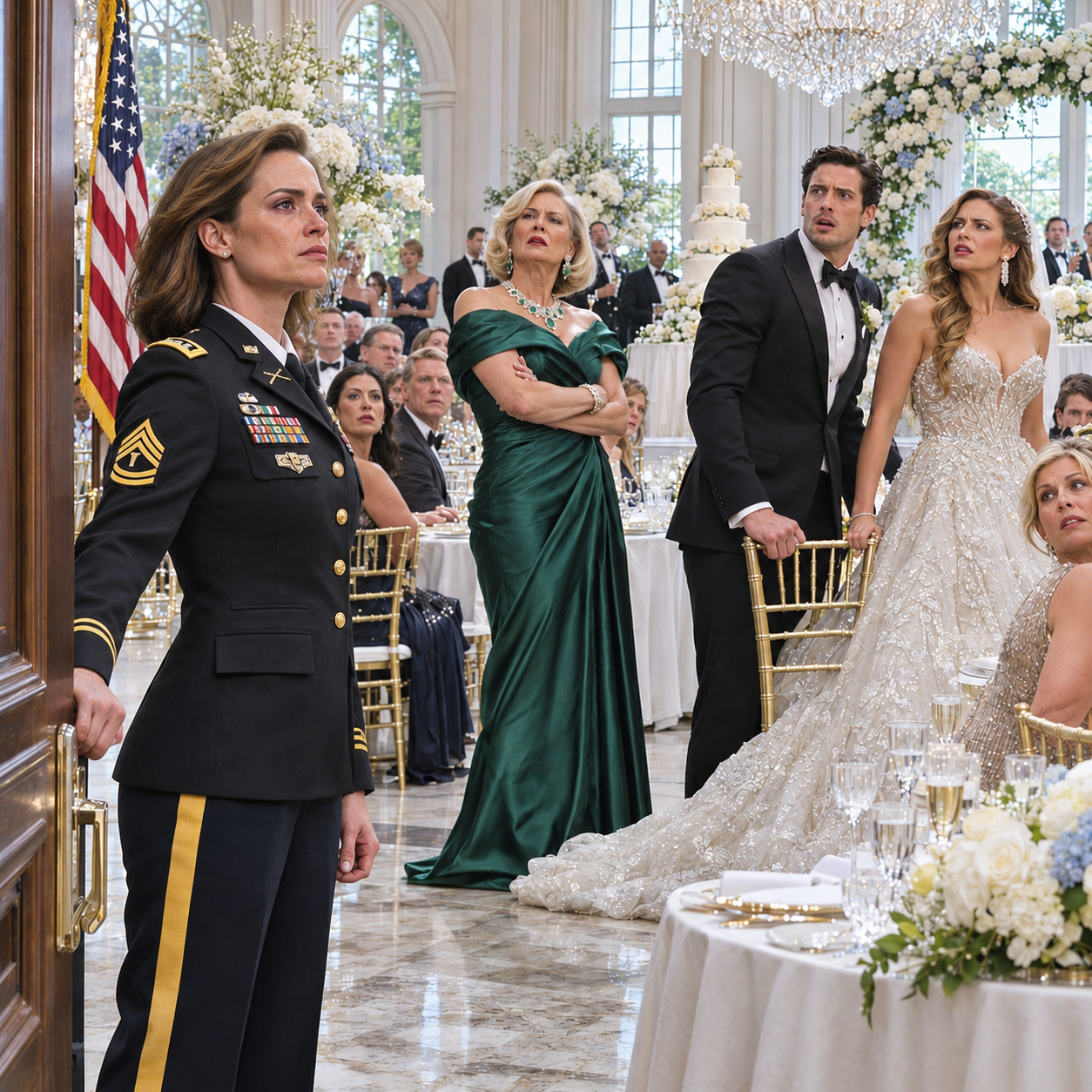
### Part 2: A Signature Exposed the Cost of Keeping Up Appearances
I met my oldest friend, Chloe Bennett, at a little diner near the hospital that afternoon. Chloe had known me since my waitress days, when we split rent on a basement apartment and considered a night out at Applebee’s a luxury. I laid the restaurant contract beside my untouched sandwich and showed her Gavin’s text messages. She read everything without interrupting, then took off her glasses.
“Nina, he’s not confused about what he did,” she said. “He just expected you to forgive him before you found out.” She pointed to the signature and asked whether I’d contacted the credit card company. When I said I hadn’t yet, she pushed my phone toward me.
The bank representative confirmed that Gavin was an authorized user and that I could immediately revoke his card privileges. She cautioned that removing him wouldn’t automatically eliminate responsibility for transactions he’d already made. I locked the additional card, requested an investigation into the pending charge, and wrote down the reference number. For the first time that week, I felt I was making decisions instead of reacting to someone else’s.
When I got home, Marilyn was arranging flowers in the living room. She barely glanced up as I entered. “Gavin tells me you’re upset about the dinner,” she said, trimming a rose stem. “I hope you’re not going to embarrass him over money.”
“Did you know he signed a contract saying I agreed to pay?”
Her scissors stopped moving. “He said the financial arrangements were handled.” When I showed her the invoice, she inspected the total without appearing particularly surprised. “Well, that’s what a beautiful evening costs these days. You earn a good salary, Nina. I thought you understood how much this birthday meant to me.”
I asked why the celebration meant so much that I couldn’t attend it. Marilyn carefully placed another rose in the vase and looked toward the window. “Sandra invited me onto the foundation’s anniversary committee,” she said. “These women have known each other for decades. Sometimes I feel like an outsider among them, and I wanted one evening where everything looked right.”
“And I wouldn’t look right?”
She didn’t answer immediately. Then she said, “You have a different way of doing things.”
I looked at the dining table where I’d hosted Thanksgiving for her relatives, prepared Christmas breakfasts, and written checks when Gavin’s business account was empty. Marilyn had eaten at that table for eighteen months without worrying about appearances. Now she couldn’t meet my eyes.
I called Shane again and sent him written notice that Gavin had signed without my financial consent. Shane explained that the restaurant hadn’t yet finalized the $3,200 card authorization and could put the payment on hold while the parties sorted out who was responsible. The expensive menu could still be changed before the catering deadline, but Gavin, as the contract signer, would need to approve any revisions. Shane promised not to process further payments using my account without verification.
That evening, Gavin returned carrying a garment bag from an upscale men’s store. I was sitting at the kitchen table with the contract and my banking records. He saw the papers and sighed. “I don’t want another argument, Nina.”
“Then tell me why you signed my name into a financial obligation without asking.”
He set the garment bag over a chair. “Because every time I try to do something for Mom, you remind me that you pay for everything.” His voice was quieter now. “I know my business hasn’t recovered. I know you bought this house before we married. I hear it every time we disagree, even when you don’t say it.”
I told him I had never asked him to earn as much as I did. I’d asked him to be honest about what we could afford. Gavin stared at his new suit, then admitted he’d promised Marilyn the banquet months ago, believing he’d have secured a construction contract by now. When the deal fell through, he couldn’t bear telling her.
“Then you should have told me,” I said. “You made me responsible for a promise you were afraid to break.”
The next morning, I consulted a family-law attorney named Rachel Porter. She reviewed the deed showing that I’d purchased the house before our marriage, along with our financial records. Rachel warned me that separation, property rights, and responsibility for marital expenses required careful handling; owning the house before marriage didn’t give me permission to throw Gavin out overnight. She advised me to preserve the documents, keep paying ordinary household obligations, and avoid making new financial commitments for either of them.
By afternoon, the restaurant confirmed that my card authorization had been voided before settlement. Gavin had arranged a smaller banquet using funds from his own account and an installment agreement approved by the venue. The revised dinner would cost considerably less, and the expensive seafood, wine package, and elaborate decorations were gone.
Gavin texted shortly afterward, asking me to pack two overnight suitcases and bring them to the restaurant on Friday. He and Marilyn had booked rooms nearby after the birthday dinner, and he apparently still expected me to act as their delivery service. I packed the requested clothes and toiletries, then placed a letter for Gavin inside a separate envelope.
Just before six, Shane emailed the final catering confirmation. Gavin had approved a modest three-course dinner with vegetable soup, herb risotto, seasonal greens, and coffee. At the bottom of his signed menu revision, he had added one handwritten instruction.
“Please don’t tell my mother about the changes before the dinner begins.”
### Part 3: The Birthday Dinner Became the End of Our Arrangement
Friday evening, I drove to the Grand Meridian with two suitcases in my trunk and the envelope on the passenger seat. The restaurant occupied the upper floor of a renovated downtown building, with tall windows overlooking the city lights. I gave the luggage to the hotel concierge for Gavin to collect and asked Shane to meet me near the private dining room. I wasn’t there to interrupt Marilyn’s birthday; I needed confirmation that my account was no longer attached to it.
Through the open doorway, I could see Marilyn greeting her guests in a pale blue dress I’d helped her choose the previous weekend. She looked genuinely happy, leaning forward to kiss Sandra’s cheek and admiring the flowers at the entrance. Gavin stood beside her wearing his new suit, looking handsome and exhausted. When he noticed me speaking with Shane, his smile disappeared.
Dinner began with small bowls of vegetable soup instead of the elaborate seafood appetizers Marilyn had described to her friends. Sandra examined the printed menu and asked a waiter whether there had been a change. Marilyn laughed nervously and said there must be a printing mistake. Then the main courses arrived, and she called for the manager.
Shane approached quietly, but Marilyn’s voice carried across the nearest tables. “We ordered lobster and filet mignon. This isn’t our dinner.” Shane opened his reservation folder and explained that Gavin had personally approved the revised menu the previous afternoon. Marilyn turned toward her son, who was staring at his untouched plate.
“Gavin,” she said, “what is he talking about?”
He looked toward the doorway where I stood. “Nina wouldn’t cover the original bill, Mom. I had to change things.” Marilyn followed his gaze, and for a moment her expression was less angry than bewildered. She seemed genuinely unable to understand why the arrangement she’d counted on had stopped working.
She walked toward me, clutching her small evening purse. “You could have told me before everyone arrived.”
“I asked you about the dinner, Marilyn. You told me I wasn’t suitable company.” I held out the original invoice, with Gavin’s signature marked in yellow. “He told this restaurant I agreed to pay twenty-five thousand dollars. I never agreed, and you both knew I wasn’t coming.”
Marilyn looked at the page, then toward the tables. “I didn’t know he’d signed that on your behalf,” she said quietly. Gavin had followed her over, and when she asked whether it was true, he finally nodded. “I thought I could convince Nina afterward,” he admitted. “I didn’t think she’d actually refuse.”
Sandra approached us with her napkin still in her hand. She looked from Marilyn to Gavin, then said, “Marilyn, we came because it’s your birthday. We didn’t need lobster.” There was no accusation in her voice, which seemed to make Marilyn more uncomfortable. For all her careful planning, she’d never considered that her friends might have accepted a simpler celebration.
I told Gavin the suitcases were waiting with the concierge. He glanced at the envelope I handed him, then unfolded the letter and read it beside the doorway. I’d written that I wanted us to separate, that I’d consulted an attorney, and that we needed to arrange our living situation properly. I wasn’t changing the locks or pretending I could settle a marriage with a piece of paper.
“Is this really where we are?” he asked.
“I think we’ve been here for a while,” I told him. “We just haven’t said it aloud.”
Gavin tried to follow me toward the elevators, but Marilyn called his name. When I glanced back, she was standing alone beside the dining-room entrance, looking smaller than I’d ever seen her. I wanted to feel relieved that she’d finally understood how much she’d hurt me. Instead, I felt tired, and I wanted to go home.
Over the following weeks, Gavin moved into a rented apartment while our attorneys worked through the separation. The restaurant’s original authorization never settled against my account, and Gavin paid for the smaller dinner under his revised agreement. Marilyn eventually found a senior apartment near her church, using her own retirement income. Our divorce took months, and the financial settlement required compromises neither of us particularly liked.
Gavin apologized twice. The first time, he said he’d been frightened of disappointing his mother. The second time, he acknowledged that he’d made me responsible for protecting his pride. I believed he regretted what he’d done, but regret couldn’t restore the trust he’d spent years wearing away.
Marilyn sent me a birthday card several months later, although my birthday wasn’t until the following week. Inside she’d written, “I wish things had turned out differently.” I placed it in a drawer without answering. Some relationships don’t end with a dramatic goodbye; they end when you stop finding reasons to keep them alive.
On the first Saturday after the divorce became final, Chloe came over for dinner. We made roast chicken, mashed potatoes, and green beans, and ate at the same kitchen table where Marilyn had once crossed my name off her guest list. Chloe brought a lemon cake from the grocery store, and we laughed because she’d forgotten candles.
When I carried the dishes to the sink, I looked at the two empty plates and the folded napkins beside them. Nothing about the evening had been expensive or impressive. But everyone at my table had been invited, and no one had needed to earn their place there.
The End .
All characters and events in this story are fictional, created for storytelling and entertainment purposes. Thank you sincerely for reading. Your feedback and support are invaluable and motivate me to continue sharing more stories with you.