### Part 2: The Boy She Rejected Learned What True Family Meant
Six months after April disappeared, Michael asked the question I had been dreading. We were sitting at the kitchen table, and he was carefully checking the tubing beneath his shirt while I buttered his toast. Morning sunlight spilled across his face, revealing how much he had grown since the day his mother left. “Grandma Rose,” he said quietly, “why doesn’t Mommy love me anymore?”
I pulled out the chair beside him. “Sometimes adults make terrible choices, sweetheart. Those choices say something about them, not about the children they leave behind.” He studied his hands. “But if I hadn’t gotten sick, would she have stayed?” I swallowed the comforting lie rising in my throat. “Your illness didn’t make your mother leave. She left because she chose her own happiness over her responsibility. You didn’t cause that.”
I didn’t tell him about the telephone call I’d received from April three months earlier. She had demanded that I ship her remaining clothes and jewelry to Phoenix. When I asked whether she wanted to know how Michael was doing, she answered, “How is what?” I repeated his name, stunned. After a pause, she said, “I’m sure you’re handling it,” and hung up without asking another question.
That afternoon, I began moving April’s photographs into a storage box. Michael appeared behind me, dragging his favorite blanket. “Grandma, are you throwing Mommy away, too?” I immediately put the photograph down. “No, honey. I’m putting away things that hurt to look at. That doesn’t mean we have to pretend she never existed.” He considered my answer, then helped me arrange pictures of himself, his father Paul, and Frank on the mantelpiece. “I like these better,” he said. “Everybody in them stayed.”
Paul kept every promise he had made. He paid Michael’s medical expenses, attended important appointments, and came home whenever work allowed. Under consistent treatment, Michael gradually grew stronger. He learned to manage much of his medical routine, returned to school regularly, and discovered that he had a sharp sense of humor that could make even exhausted nurses laugh.
Three years after April vanished, Frank suffered a massive heart attack. I was sitting in the hospital waiting room when my phone rang and April’s name flashed across the screen. For one foolish moment, I imagined she had finally come to her senses. “I heard about Frank,” she said. “Is he going to die?” I told her the surgeons were still working. She interrupted, “Call me when you know for sure.”
Frank survived the operation but died three days later from complications. When I called April about the funeral, she said she couldn’t attend because she already had plans. Frank had raised her from the age of twelve, taught her to drive, helped pay for college, and walked her down the aisle. Yet she couldn’t spare one afternoon to say goodbye.
At the funeral, Michael stood beside me in a black suit, his small hand wrapped tightly around mine. Paul had flown in from Seattle. Neighbors, church friends, nurses, and relatives filled the chapel. The only empty place that mattered was the one where my daughter should have been sitting.
That evening, Michael found me crying in Frank’s study. He sat beside me and took my hand. “When I’m grown, Grandma, I’m going to take care of you like you take care of me.” I kissed his forehead and told him he didn’t have to worry about that. He looked at me seriously. “I want to be somebody who shows up.”
Frank left me our home, a modest insurance policy, and enough financial security to keep Michael comfortable. Without him, the rooms felt painfully quiet, but my grandson filled them with books, arguments about baseball, and laughter. By fourteen, he was winning school debate competitions and excelling in mock trials. His health still required monitoring, but the boy once considered too fragile for ordinary childhood was building a remarkable future.
One evening, while we sat on the porch watching the sunset, Michael announced that he wanted to become a lawyer. “I want to help children whose parents abandon them,” he explained. “And older people whose relatives try to take their money. Somebody should stand up for people who can’t always defend themselves.”
I watched him straighten his shoulders, his expression determined. For years, I had feared that April’s cruelty might destroy his ability to trust anyone. Instead, he had decided to become the kind of person he had needed when he was eight.
I squeezed his hand. “Frank would have been so proud of you.”
Michael smiled toward the garden where Frank had planted his favorite roses.
“Then I’ll make sure I give him something to be proud of.”
### Part 3: Fourteen Years Later My Daughter Returned Demanding Our Inheritance
Michael graduated at sixteen as valedictorian of his high school class. Paul and I sat in the front row as he spoke about illness, resilience, and the people who remain when life becomes difficult. He completed college early, won a scholarship to Georgetown Law, and passed the bar at twenty-two. At his swearing-in ceremony, he hugged me so tightly that I nearly lost my glasses.
Shortly after turning eighteen, he had made another decision. He changed his legal surname from Morrison to Patterson. “I love Dad,” he told me, “but I want to carry the name of the house where I learned what family means.” Paul supported him completely. When the new documents arrived, Michael framed one for my living room, smiling as he said, “Now everybody knows whose grandson I am.”
Fourteen years after April abandoned him, I received a telephone call from an attorney in Phoenix. April’s marriage to Marcus had ended, and her lawyer wanted information about Frank’s estate. He asked whether any inheritance might be available to April or her son. I told him that Frank had arranged his affairs years earlier and that Michael was financially independent. The attorney thanked me, but his questions left me deeply unsettled.
Three weeks later, someone rang my doorbell at nine on a Tuesday morning. I was making Michael’s favorite apple pie when I opened the door and found my daughter standing on the porch. Her blonde hair was perfectly styled, and an expensive handbag hung from her arm. She looked at me with the impatient expression I remembered from childhood.
“Hello, Mother. May I come in? We need to discuss Frank’s estate.”
Not one question about my health. Not one word about Michael.
I let her inside, and she immediately examined the furniture, the photographs, and the windows overlooking the garden. “Frank was practically my father,” she announced, settling onto my sofa. “I believe I deserve a portion of what he left behind.”
“You didn’t even come to his funeral, April.”
“I was going through personal difficulties.”
“You were vacationing in Cabo. I saw the photographs.”
Her expression hardened. “That was years ago. I’m talking about what I’m legally owed.”
I folded my hands to keep them from trembling. “Frank left his property according to his wishes. Michael will inherit what remains when I’m gone.”
She laughed. “You can’t seriously intend to leave everything to that sick kid.”
For a moment, the room went silent.
“That sick kid,” I said slowly, “is your son. He’s twenty-two now. He’s healthy enough to work, brilliant enough to become an attorney, and compassionate enough to help people you would never notice.”
Her eyebrows rose. “Michael became a lawyer?”
“Yes. And his name is Michael Patterson.”
The first genuine surprise crossed her face. “He changed his name?”
“He wanted to honor the people who raised him.”
April stood abruptly. “A name change doesn’t erase biology. I’m his mother, and I was Frank’s daughter in every way that matters. I have lawyers, Mother. Very good lawyers.”
“Then let them explain why you believe fourteen years of silence entitles you to my home.”
She marched toward the door, then turned. “You’ll hear from me.”
Michael came home early that afternoon carrying a thick manila folder. He had discovered that someone was investigating our finances, his childhood medical history, and Frank’s estate. After I told him about April’s visit, he opened the folder across our kitchen table.
“Grandma, she’s been preparing this for six months,” he said. “Her investigator contacted people who knew Frank, and her attorney has drafted statements claiming she helped pay my medical bills and cared for Frank before he died.”
“That’s a lie.”
“I know. We have the hospital records, Dad’s payments, and the letters she left behind.”
He turned another page, revealing a familiar signature. Mine.
“There’s something else,” he said. “Remember the estate papers Frank asked you to sign before he died?”
I nodded slowly.
“Frank created an irrevocable trust three years before his death and later updated it. You’re the lifetime trustee. I’m its sole ultimate beneficiary. The house and most of his assets were placed there.”
I stared at the papers. I’d signed them years earlier, trusting Frank and our attorney, but had never understood how thoroughly he had protected our future.
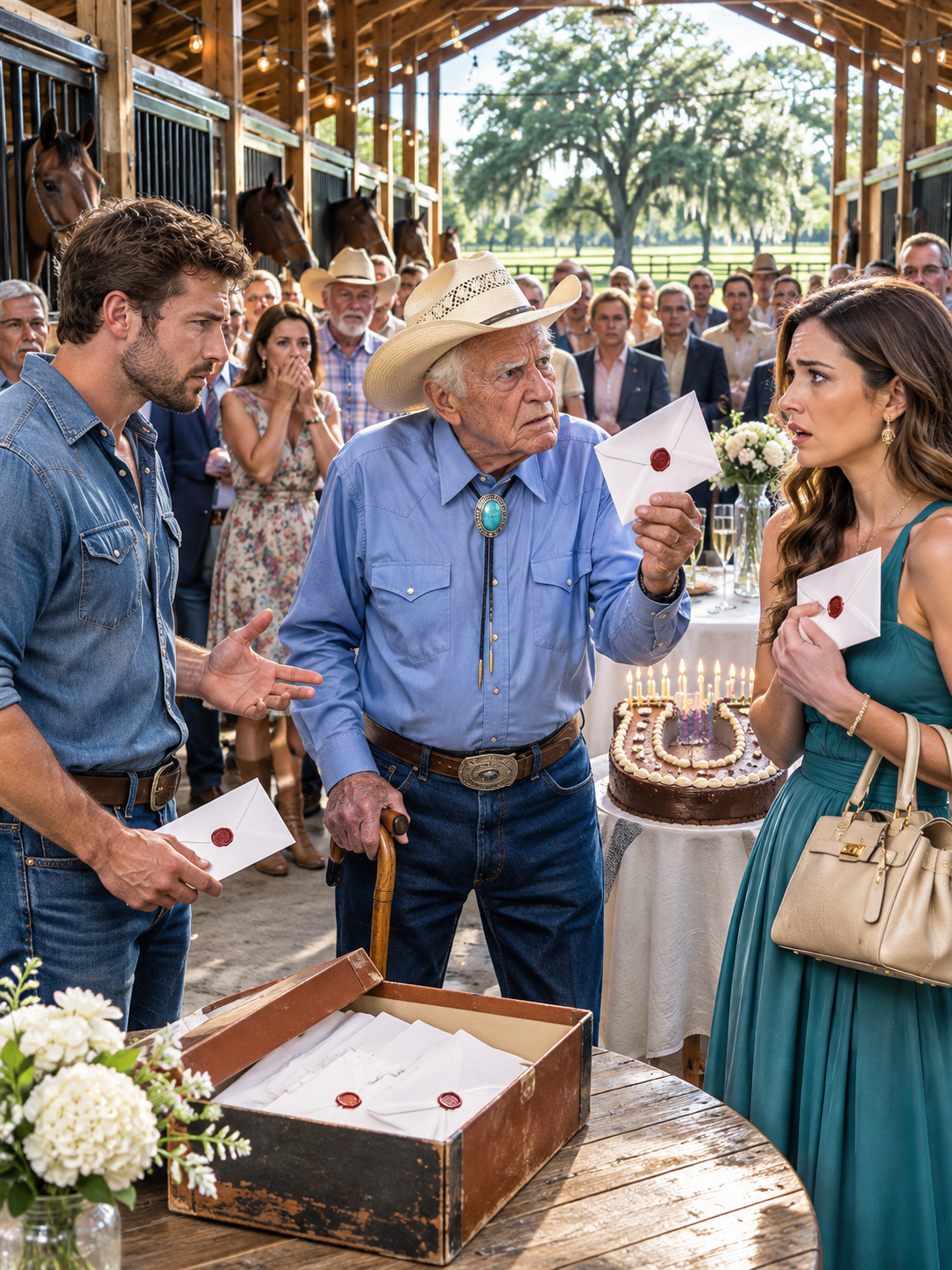
Michael placed an old envelope beside my hand. Inside was a letter Frank had written and asked the attorney to preserve.
Across the top were five words in his careful handwriting.
For Rose, when she needs answers.
I reached for it, but Michael gently covered the envelope with his hand.
“There’s something in that letter you should know before we open it,” he said. “Frank saw this coming.”
### Part 4: The Son She Abandoned Finally Exposed Her Cruel Betrayal
Michael unfolded Frank’s letter and began reading aloud.
Rose, I know you’ve always believed that love can bring people back from their worst mistakes. I hope you’re right about April, but I have watched the way she treats Michael when his needs interfere with her plans. I’ve made sure our home and savings will remain protected, whatever happens.
My eyes blurred. Frank had begun protecting Michael before April ever disappeared. After she left, he had strengthened those arrangements, making certain that neither my old age nor Michael’s future could be used against us.
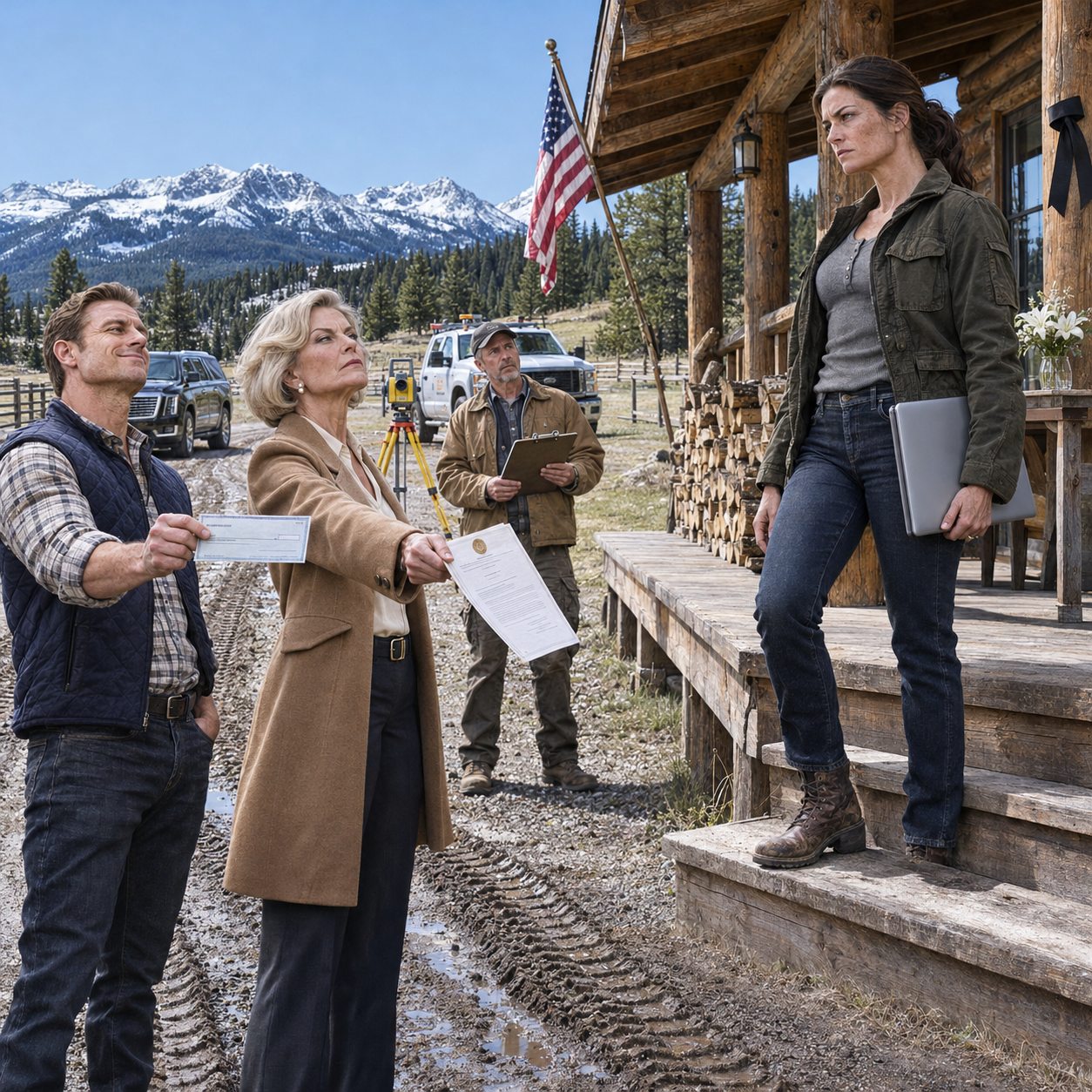
Three weeks later, April returned with her attorney, James Brennan. He stood on my porch holding a briefcase and wearing a smile that vanished the moment Michael stepped out from the hallway.
“Good morning,” Michael said calmly. “I’m Michael Patterson.”
April stared at him. Her eyes moved from his face to his broad shoulders and the papers in his hand. “Michael?” she whispered.
“Yes, April. The child you left upstairs with a feeding pump.”
Brennan cleared his throat and announced that his client believed she had been unfairly excluded from Frank’s estate. Michael handed him copies of the trust documents, then placed another folder on the hallway table.
“Your client claims she supported my medical care and visited Frank during his final illness,” he said. “We have bank statements, hospital visitor records, travel documents, and her own correspondence proving otherwise. We’ve also retained an independent estate attorney to respond to any claim you file.”
April’s composure cracked. “You can’t treat your own mother this way.”
Michael looked directly into her eyes. “You left me when I was eight. I spent years wondering what I had done wrong. Now you’ve come back because you think there’s money here. You don’t get to call that motherhood.”
Brennan examined the documents without speaking.
April turned toward me. “Mother, tell him to stop.”
I stepped beside my grandson. “He’s not doing anything wrong. He’s telling the truth.”
Despite the evidence, April filed her lawsuit. She alleged that she had been denied an inheritance and accused Michael of manipulating me financially. Our attorney submitted the trust, the original estate records, and evidence challenging her claims.
Over the following months, April’s story collapsed. Records showed she had provided no meaningful financial assistance during Michael’s childhood. The hospital confirmed she had not been present for Frank’s final treatment. Photographs placed her on vacation during his funeral, contradicting her explanation for missing it. Her supposed records of family contributions could not be substantiated.
Michael testified about his childhood and explained his name change. He didn’t raise his voice once. When asked whether his mother had maintained contact after leaving, he looked toward April before answering.
“No. My grandmother taught me how to manage my medical equipment. My father paid for my treatment. My grandfather helped make our home safe. The defendant contacted our family again only after she began investigating the estate.”
Six months after the confrontation at my front door, the judge dismissed April’s inheritance case with prejudice. The court found her claims unsupported and imposed financial sanctions and fees totaling $47,000 for the false submissions and improper litigation conduct.
When Michael brought the decision home, I sat at the kitchen table and cried. Not because we had won money, but because the truth had finally been spoken where April could no longer dismiss it.
That evening, Michael opened the second page of Frank’s letter. We had saved it until the legal fight was over.
If Michael ever reads this, tell him something for me. He was never a burden in this house. When Rose was frightened, he gave her courage. When I was tired, he gave me something to laugh about. The money is only a safeguard. My real hope is that he grows up knowing he was loved before he ever accomplished a single thing.
Michael pressed the paper against his chest. For the first time since the lawsuit began, he cried.
Two weeks later, April called me. Her voice sounded smaller than I remembered. She apologized for leaving Michael, ignoring Frank’s death, and trying to claim money that wasn’t hers. Then she asked whether she could visit.
I looked across the living room. Michael was helping his girlfriend Sarah hang new curtains, and the two of them were laughing about how crooked the curtain rod had become.
“April,” I said, “I hope someday you become the person you could have been. But you cannot come here simply because you’ve finally discovered what you lost.”
She was silent for a long moment.
“So you’re never going to forgive me?”
“Forgiveness and trust are different things. I can stop carrying my anger without giving you another chance to hurt us.”
After I hung up, Michael walked over and took my hand.
“Are you all right, Grandma?”
I looked at him, remembering the frightened boy who once asked whether his mother might love him if he became healthy. Now he stood before me as a confident young man, with a career devoted to protecting people who had nowhere else to turn.
“Yes, sweetheart,” I answered. “I finally am.”
He smiled and squeezed my hand.
“You know something? When I was little, I thought you saved my life.”
I touched his cheek. “I did what any grandmother who loved you would have done.”
“No,” he said softly. “You chose me every day. Even when it was hard. Even when you were tired. You never made me feel like I owed you for staying.”
I pulled him close. “And after Frank died, you gave me a reason to get out of bed every morning. We saved each other.”
Outside, the evening sunlight touched Frank’s roses, and Sarah called us to dinner.
Fourteen years earlier, April had walked away believing she was escaping a dying child and a life that had become too difficult. She returned expecting an inheritance, only to discover that the little boy she abandoned had become the one person capable of protecting everything she wanted to take.
For so long, I had believed that the greatest tragedy of my life was losing my daughter.
But standing there with Michael, surrounded by the home we had built together, I finally understood the truth.
My daughter had not left me with a burden.
She had left me with the greatest blessing of my life.
And this time, when someone called us to the dinner table, every person who mattered was already home.
THE END.
All characters and events in this story are fictional, created for storytelling and entertainment purposes. Thank you sincerely for reading. Your feedback and support are invaluable and motivate me to continue sharing more stories with you.