Chapter 2
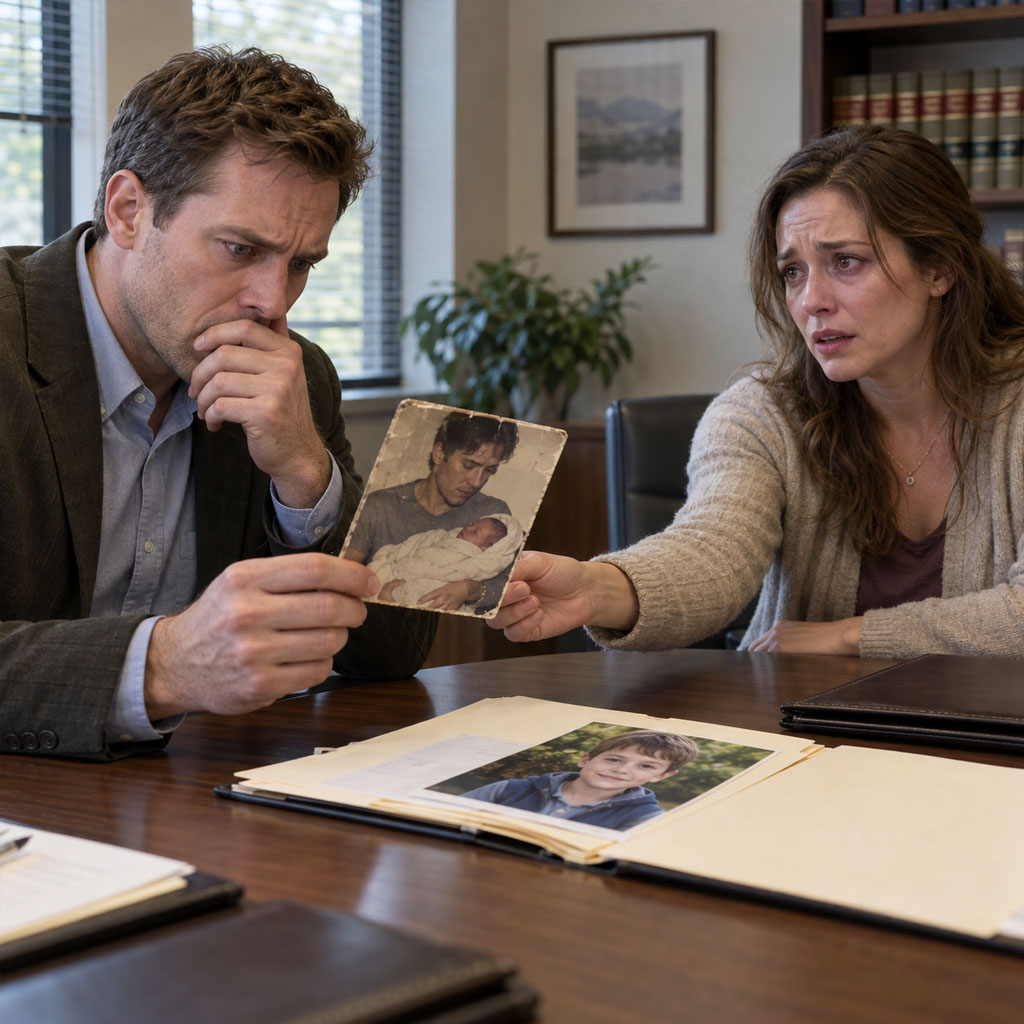
For several seconds, all I could hear was the ticking clock above Rebecca’s bookshelf. Rachel sat opposite me, looking embarrassed and frightened, as though she’d personally invented the elaborate deception that had brought us together. I wanted to be furious with her, but the person who deserved my anger wasn’t sitting at that table.
Rachel explained that Tyler had introduced himself as Michael Harris when they met at a restaurant outside Dayton. He’d told her he was training to become a pilot and preferred keeping his personal life private. When she became pregnant, he promised to stand beside her, and for a little while, he did.
“He held Noah at the hospital,” she said. “He cried when he heard him make his first sound. I thought that meant something.”
But Tyler’s visits gradually stopped. Money arrived occasionally, usually accompanied by excuses about flight schedules and debt. Then, when Noah was nearly two, Allison contacted Rachel and introduced herself as the woman managing Michael’s financial obligations.
“She said you couldn’t deal with me directly because of your career and family,” Rachel explained. “She promised regular payments if I stopped calling.”
“Did you ever meet her?”
“Twice. Once at a coffee shop, and once when she brought Christmas presents for Noah.”
I sat back, struggling to breathe normally. While Allison was decorating our Christmas tree and helping me choose gifts for my father, she had been visiting my brother’s secret child. While I worked overtime to build our savings, money was leaving our household account to maintain a lie.
Rachel wiped her eyes. “I didn’t want a fight. I just wanted Noah to have what he needed. His teeth need work, and he’s falling behind in reading. When the payments became unreliable, Allison told me a court order would finally make you responsible.”
Rebecca asked Rachel’s attorney to preserve every message, photograph, and payment record. We would arrange accredited genetic testing and correct the legal identification through the court. Rachel agreed immediately, relieved that someone finally wanted facts instead of another private arrangement.
Before leaving, she turned toward me.
“Is your brother married?”
“Engaged. The wedding’s in October.”
She looked down at her son’s photograph. “He told me he couldn’t afford another family.”
That sentence followed me home.
Allison’s car was in the driveway when I arrived. Through the front window, I could see her setting the dining table, arranging two candles beside the dinner she’d prepared. Everything looked painfully ordinary.
I placed Tyler’s hospital photograph next to her plate.
She stopped moving.
“How long?” I asked.
“Michael, please.”
“How long have you known about Noah?”
She pulled out a chair and sat heavily. “Almost five years.”
“Five years.” I could barely recognize my own voice. “You’ve been living in my house, sleeping beside me, and sending money to my brother’s child for five years?”
“Tyler panicked when Rachel got pregnant. He used your name because he was scared. By the time I found out, everything was so tangled that telling you would’ve destroyed the family.”
“So you let her sue me?”
“I thought Tyler would finally take responsibility if the situation became serious.”
“Serious for whom? I’m the one named in the lawsuit.”
Allison started crying. She told me she’d believed I would eventually help because I had always supported Tyler. She said I earned more than he did and could afford to protect Noah while Tyler settled his debts.
I stared at her. “You decided what I could afford, what I should know, and what I should sacrifice. And you never once thought I deserved a choice?”
“There’s something else,” she murmured.
I had already learned enough to know that nothing good followed those words.
She confessed that she and Tyler had been romantically involved. Not for a few weeks during some difficult period, but intermittently for years. Their relationship had begun shortly after she learned about Rachel and Noah.
I remembered Tyler attending our backyard cookouts. I remembered Allison laughing at his jokes, driving him to the airport, and defending him whenever he disappointed our father. I had interpreted those things as affection between people who considered themselves family.
“Does Vanessa know?” I asked.
Allison shook her head.
“And you were going to attend their wedding together with me?”
“I never meant for anyone to get hurt.”
“Yet somehow everyone who trusted you did.”
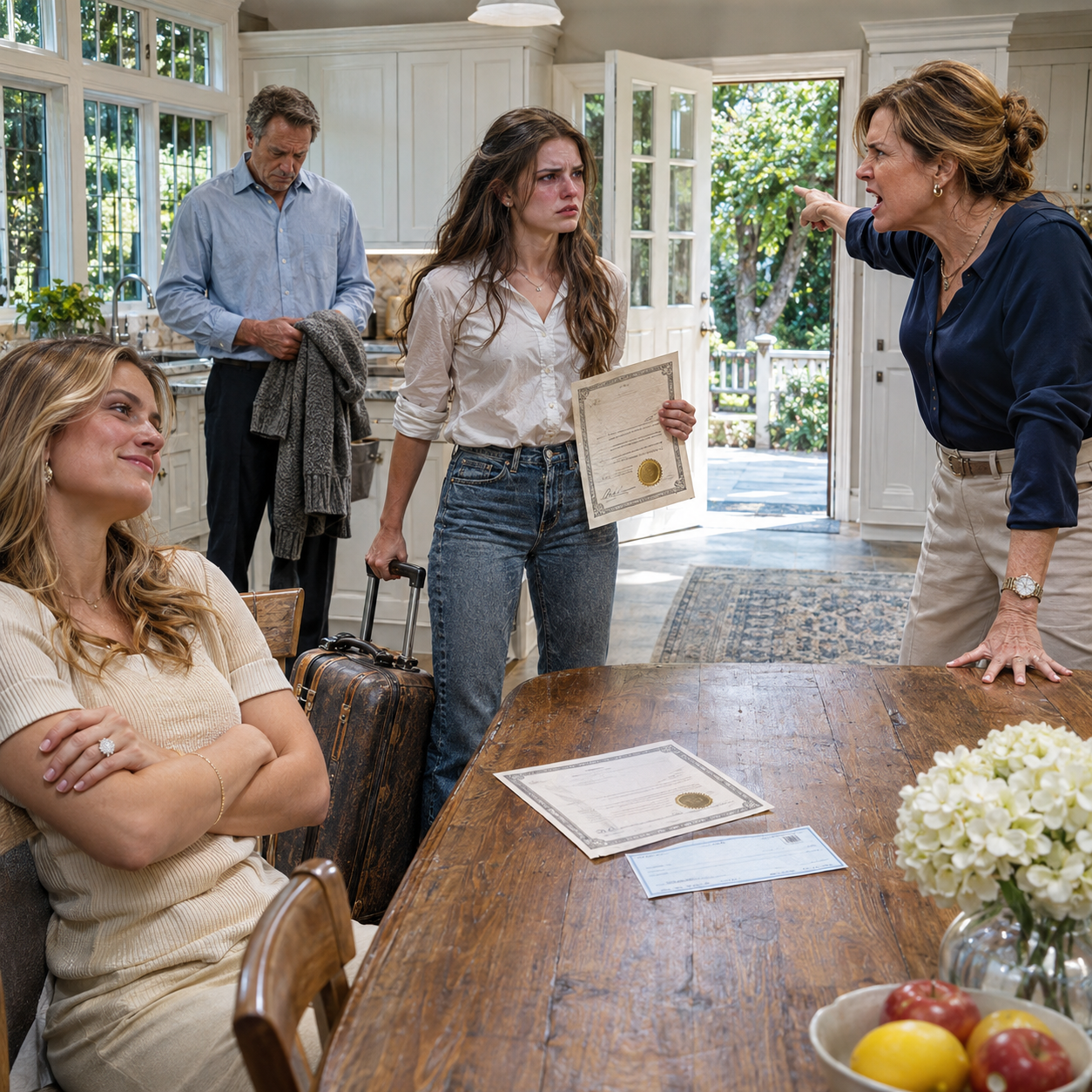
I packed a suitcase while Allison followed me from room to room, insisting that six years couldn’t simply be thrown away. At the front door, she tried another argument.
“Think about your father. This could break his heart.”
I turned around.
“My father didn’t create this mess. You and Tyler did. Stop using people I love as reasons I shouldn’t tell the truth.”
Dad opened his door before I knocked. At seventy-one, George Harris moved a little slower than he once had, but his eyes were still sharp enough to understand that something terrible had happened.
We sat at his kitchen table while I explained the lawsuit, the hidden payments, Allison’s affair, and Tyler’s son. He listened without interrupting, occasionally looking at the photograph of the baby in his younger son’s arms.
When I finished, Dad stood and filled the kettle.
“Tea?” he asked.
It was such a simple question that my throat tightened.
“I don’t know what to do, Dad.”
He rested one hand on my shoulder. “You don’t have to fix everything tonight, son.”
The next morning, Rebecca began the process of correcting the lawsuit and protecting my finances. She recommended a forensic accountant, and the questionable transactions were separated from legitimate household spending. I changed passwords on accounts I personally controlled and withdrew my authorization for Allison to act on business matters.
The genetic testing eventually excluded me as Noah’s biological father. Rachel’s attorney took steps to correct the claim, but the false documents and financial transfers remained under review. Rebecca referred the identity misuse to an investigator named Daniel Brooks.
Then Tyler arrived at Dad’s house.
He carried an expensive bottle of bourbon and wore the polished smile he used whenever he wanted something.
“Mike, this whole situation’s gotten out of hand,” he announced. “We can settle it like adults.”
I laid the hospital photograph on the kitchen table.
“You told Rachel you were me.”
“I was twenty-three and terrified.”
“You were old enough to know your own name.”
He shrugged. “I made a stupid mistake.”
“And Allison?”
His expression hardened. “She told you about that?”
Dad, who had been standing near the sink, slowly turned around.
Tyler looked toward him. “Dad, this is private.”
“No,” Dad said quietly. “You’ve kept enough things private.”
Tyler began explaining how much Vanessa’s family had invested in his future. He said a public dispute could cost him his position, his engagement, and everything he’d worked for. He offered to repay some of Allison’s transfers if I would help convince Rachel to accept a confidential arrangement.
“You’ve always been there for me,” he added. “I need you now more than ever.”
I looked at him for a long time.
“Being there for you never meant letting you become me.”
He suddenly leaned forward. “Noah’s your nephew, Mike. Are you really going to punish an innocent kid because you’re angry?”
“No. I’m going to help make sure he knows who his father is.”
Dad put his hand on the table. “Tyler, your brother paid for your education because he loved you. That didn’t give you ownership of his name.”
Tyler stood abruptly, muttered that we were being unreasonable, and stormed out.
Dad picked up the bourbon and poured it down the sink.
I thought that confrontation would be the ugliest thing my brother could do.
Four days later, Rebecca called my office with news that made my blood run cold. A bank had contacted my company to verify a personal guarantee connected to Tyler’s new aviation venture.
The document carried my name, my financial details, and what appeared to be my signature.
The amount was $480,000.
Chapter 3
I stood in my office holding the telephone while the dryers rumbled behind the wall. Four hundred eighty thousand dollars was more than I had ever borrowed for my business at one time. It represented years of work, the equity in my home, and a future I’d spent most of my adult life building.
Rebecca told me the bank had not released the funds. Its verification process had flagged inconsistencies, and the loan was on hold. I confirmed in writing that I hadn’t signed or authorized the guarantee.
The forensic accountant reviewed the paperwork alongside the household transfers. Investigator Brooks collected the disputed documents and requested supporting records through proper channels. Soon another document surfaced, a letter supposedly signed by me years earlier acknowledging that I’d agreed to handle payments for Rachel’s son.
I hadn’t written it.
That was when the full pattern became impossible to ignore. Tyler had used my identity first to escape responsibility for a baby, then to hide his obligations, and finally to obtain money he couldn’t qualify for himself. Whenever he needed a reliable man on paper, he borrowed the life I’d built.
Vanessa’s family became involved after the bank questioned the guarantee. Her attorney contacted Rebecca, and we arranged a meeting with only relevant records shared. I didn’t want rumors or revenge; I wanted the people exposed to Tyler’s deception to know what was documented.
Vanessa arrived looking exhausted.
“Tyler says Rachel is trying to blackmail him,” she told me. “He says Allison misunderstood some financial arrangements.”
I showed her what I could. She read quietly for several minutes before asking whether Tyler and Allison had been involved.
“Allison admitted it,” I said. “Investigators are reviewing their communications.”
Vanessa folded her hands tightly. “I’ve postponed the wedding.”
“I’m sorry.”
She gave a sad little smile. “I think you and I have both been apologizing for someone else’s choices.”
Her engagement ended soon afterward. I didn’t celebrate, because watching someone else’s future collapse wasn’t satisfying. It simply meant another person had finally learned the truth.
Meanwhile, Rachel began the difficult process of correcting Noah’s legal records and pursuing support from Tyler. She didn’t demand that I replace his father. She wanted reliable financial help, accurate information, and a chance for her son to grow up without adults making promises they didn’t intend to keep.
I offered to purchase a desk for Noah after hearing he usually did his homework on the living room floor. Rebecca helped arrange it as a clearly voluntary gift. Rachel accepted, and I ordered a sturdy wooden desk with drawers and a reading lamp.
I hadn’t met Noah yet. After everything he’d experienced, I believed his mother should decide when another Harris entered his life.
Allison contacted me repeatedly. Some calls concerned dividing household property; others turned into pleas for forgiveness. I directed the financial questions through Rebecca and refused private discussions about the case.
One afternoon, Allison said Tyler was furious with her.
“Vanessa left him,” she cried. “The business deal’s collapsing, and he’s blaming me for everything.”
“Then perhaps he should consider the decisions he made.”
“You’re acting like you don’t care about anyone anymore.”
I looked through my office window at a delivery truck pulling into the yard.
“I care very much,” I said. “That’s why I’m not helping you hide what happened.”
Two weeks later, Rachel called while I was inspecting a broken dryer. Her voice shook so badly I could barely understand her.
“Noah’s gone.”
I stepped into the hallway. “What do you mean, gone?”
“Allison picked him up from the woman who watches him after school. She said I’d arranged for Noah to spend the afternoon with family. I never agreed to anything.”
Rachel had already contacted the police. Then she’d received a message saying Noah was safe, but that Tyler needed her cooperation with a private agreement before returning him.
I gripped the telephone.
“Send that message to the officers,” I told her. “Don’t agree to anything just because they’re pressuring you.”
My next call came from Dad.
“Michael,” he said slowly, “Tyler’s here. Allison’s with him. They’ve brought a little boy.”
For a moment, my mind went completely blank.
Tyler had brought Noah to our father’s house.
I told Dad what Rachel had reported and asked him to follow the responding officers’ instructions. Brooks was informed, and I remained in contact with the authorities while they coordinated a safe response. I didn’t want another confrontation to frighten Noah.
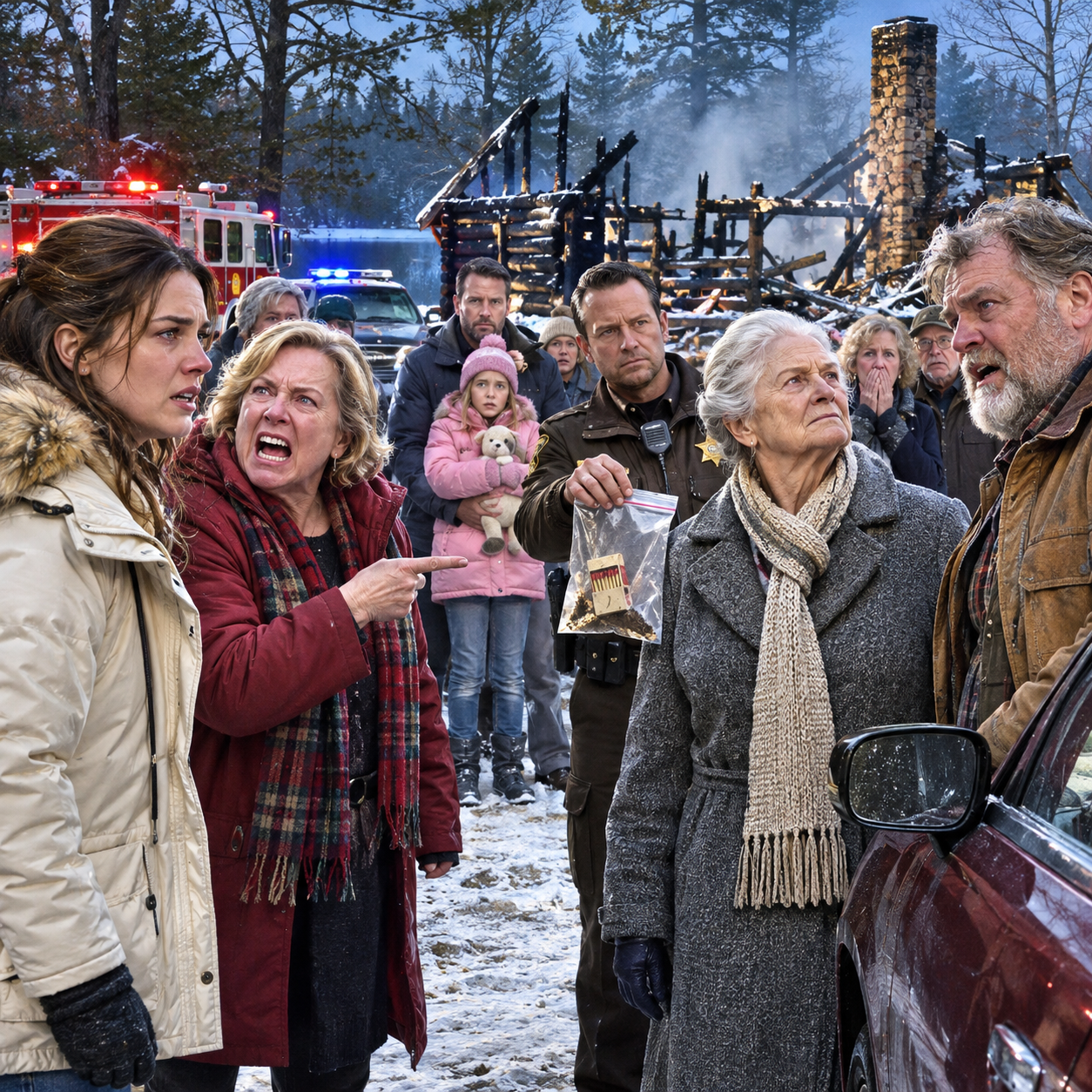
By the time I arrived at Dad’s house, two police vehicles were parked outside.
An officer stood near the front door. Inside, I could hear Tyler arguing from the hallway.
“He’s my son! I have every right to spend time with him!”
The officer calmly explained that biological parentage didn’t automatically resolve questions about lawful pickup arrangements or the child’s immediate safety. Tyler insisted everyone was making an innocent family visit sound sinister.
I glanced into the kitchen.
Noah sat at the table eating a chocolate chip cookie. He was small for eight, with neatly combed brown hair and eyes that looked heartbreakingly like my mother’s. Dad sat beside him, asking about school in a gentle voice.
Allison stood near the coat rack, pale and silent.
Tyler noticed me.
“Here’s the man who caused all this,” he snapped.
I looked at him. “You brought a child here to pressure his mother. That was your decision.”
“You’re trying to take my son away from me!”
“No, Tyler. I’m trying to keep you from making him pay for your mistakes.”
He stepped toward me, but the officer asked him to remain where he was. Dad came into the hallway and told us both to keep our voices down. Noah didn’t need to hear the grown-ups arguing over him.
Rachel arrived shortly afterward.
Noah jumped down from his chair and ran into her arms. She knelt and held him tightly, whispering that she loved him and was taking him home. His small hands clung to the shoulders of her coat.
Allison approached them.
“Rachel, I was only trying to help everyone talk,” she said. “I’ve helped you for years.”
Rachel looked up.
“You knew who his father was. You knew who Michael was. You had years to tell the truth.”
Allison began crying. “I love that little boy.”
“Then you should have cared enough to tell me where you were taking him.”
Rachel turned back toward Noah and walked with an officer into the kitchen to complete the necessary arrangements.
Tyler kept insisting everything had been misunderstood. The officers documented what had happened, including the messages conditioning Noah’s return on Rachel’s cooperation. Allison and Tyler were taken for further questioning.
Before leaving, Tyler looked directly at me.
“You could’ve prevented this.”
For years, those words would have sent me scrambling to solve his latest problem. But standing in my father’s hallway, I finally recognized them for what they were.
A demand that I accept responsibility for choices I hadn’t made.
“No,” I answered. “You could have prevented this by telling the truth eight years ago.”
Chapter 4
The weeks after the incident were filled with court appointments, paperwork, and the kind of exhaustion sleep couldn’t cure. Rachel’s claim against me was resolved after the evidence established that I’d been wrongly identified. Tyler eventually underwent genetic testing, which confirmed he was Noah’s biological father.
Rachel pursued appropriate child support and arrangements designed around Noah’s welfare. The court addressed parental responsibilities separately from the investigation into the false documents and financial transactions. That distinction mattered to me, because Noah’s needs were never supposed to become punishment for what his father had done.
The forensic accountant found that Allison had used $31,600 from our household funds without my authorization, disguising the transfers as ordinary shared expenses. Not every dollar Rachel received came from me; some came from Allison’s earnings and some from Tyler. Rebecca helped ensure the records distinguished those sources accurately.
I sought recovery from the people who had misused my money. I never asked Rachel to return support she’d accepted in good faith for her son. She had been deceived, too, and she’d spent those years doing the difficult work of raising a child.
About two weeks after the incident at Dad’s house, Rachel invited me to meet Noah at a public library. A family support worker who’d been helping them was nearby. I wore a clean blue shirt, carried a small box of colored pencils, and felt more nervous than I had at any business meeting.
Noah studied me from across the library table.
“Mom says you’re my dad’s brother.”
“That’s right.”
He tilted his head. “So you’re my uncle?”
“If you’d like me to be.”
He considered that for a moment before smiling. “Okay, Uncle Mike.”
We spent an hour drawing houses and roads. Noah drew a red pickup truck and asked whether mine had four-wheel drive. He wanted to know how washing machines big enough for hotels worked, and whether I could clean a thousand towels in one day.
I answered every question.
He didn’t ask why his father had used my name. He didn’t ask about court cases, money, or why grown-ups sometimes lied. He was simply an eight-year-old boy who wanted someone to look at his drawing and tell him whether his little house needed a garage.
When we said goodbye, Noah gave me the drawing.
I carried it to my truck as carefully as if it were made of glass.
Dad began visiting Rachel and Noah under arrangements she was comfortable with. On their first ordinary afternoon together, he made pancakes and brought out an old box of toy cars he’d kept in the attic. Noah asked why his grandfather had so many toys, and Dad explained that some things were worth saving even after children grew up.
Watching them together brought me unexpected peace. Dad had spent years blaming himself for Tyler’s selfishness, wondering whether losing Mom had left a wound he should somehow have healed. I reminded him that grief could explain a person’s pain without excusing the decisions made afterward.
The legal proceedings continued for more than a year. Tyler challenged documents and offered explanations that shifted whenever new evidence appeared. Allison maintained that she’d only tried to help, while Tyler claimed she’d handled the paperwork without his full knowledge.
But messages, payment records, and bank documents painted a different picture. The investigation examined the false financial guarantee, forged correspondence, unauthorized transfers, and the circumstances surrounding Noah’s pickup. The evidence concerned deliberate actions, not simply infidelity or the existence of a secret child.
Dad struggled when Tyler’s attorney requested a character statement.
“He’s still my son,” Dad said one evening, sitting beside me on his porch. “If I don’t defend him, who will?”
“You can love him without defending what he did.”
Dad stared out across the lawn. “I spent so many years asking you to look after him. I never asked whether he was looking after you.”
I didn’t know how to answer.
A few days later, Dad wrote a statement acknowledging his love for Tyler while refusing to excuse his conduct or blame anyone else. He read it to me at the kitchen table, his voice wavering only once. When he finished, he folded the paper and placed it inside an envelope.
“I should have said some of this years ago,” he murmured.
“You said it now, Dad.”
The criminal case eventually ended in convictions for both Tyler and Allison on charges supported by the evidence. Tyler received a nine-year prison sentence, and Allison received six years. Financial orders addressed established losses, while Tyler’s child support responsibilities remained subject to the separate family court process.
The aviation venture collapsed. Vanessa ended her engagement permanently and returned to building a life that didn’t depend on Tyler’s promises. The wedding invitations were never mailed.
At sentencing, I was allowed to describe what their actions had cost me.
I told the court about receiving a lawsuit concerning a boy I’d never met, then discovering that boy was my nephew. I described the shock of learning that the woman I loved and the brother I’d raised had secretly been involved while using my name and finances to protect themselves.
I also spoke about Noah.
“He deserves to know who he is,” I said. “He deserves dependable support, honest relationships, and adults who don’t make him responsible for their secrets.”
My voice trembled, but I finished.
When I looked toward Tyler, he was staring at the table. Allison was crying quietly. Neither expression changed what had happened, and neither could restore the years we’d lost.
After sentencing, Allison sent word through her attorney asking to see me one more time. She wanted to explain that she’d genuinely loved me, even if she’d made terrible mistakes.
I declined.
I no longer needed to decide whether every happy memory had been false. There had been laughter, tenderness, and ordinary mornings I would always remember. But real memories didn’t make deception harmless, and loving someone once didn’t require trusting them again.
Several months later, a letter arrived from Tyler in prison. He wrote about our childhood, our mother’s death, and the nights I sat beside him when he couldn’t sleep. He said he missed Dad’s Sunday dinners and the way our family used to be.
For a moment, I felt the familiar tug of sympathy.
Then I reached the final paragraph.
Tyler needed money to settle an outstanding personal expense. He hoped I could help, just this once.
I folded the letter and put it away.
I didn’t send money.
Chapter 5
Life didn’t become beautiful overnight simply because the court proceedings were over. For a long time, I woke before dawn with an uneasy feeling that another bank would call or another letter would arrive. My employees noticed I’d become quieter, though they were kind enough not to ask questions I wasn’t ready to answer.
Eventually, the mornings began feeling like mine again.
The company continued operating. Trucks went out, invoices came in, and washing machines broke at inconvenient times. There was something comforting about problems that could be solved with a repair bill, a phone call, and an honest day’s work.
Allison’s belongings were removed from the house through an agreed process. While clearing a kitchen drawer, I found the folded announcement for Tyler and Vanessa’s wedding. Allison had spent weeks talking about the flowers, the music, and the beautiful reception venue.
I stood there remembering how excited she’d seemed.
She had planned to attend my brother’s wedding while concealing their affair from everyone around her. And I would have stood beside her, smiling in family photographs, never knowing what I was actually celebrating.
I put the announcement in the recycling bin.
The house felt empty for a while. I changed the curtains, moved a few pieces of furniture, and turned the guest room into a small workshop where I could repair old radios. My father had taught me how to do that when I was twelve, back when spending a Saturday together meant more than talking about family troubles.
Rachel found steadier employment and arranged extra help for Noah’s reading. The child support system handled Tyler’s obligations, though enforcing payments wasn’t always simple. For the first time, however, Rachel wasn’t depending on Allison’s promises or wondering whether she was contacting the right man.
Noah and I began seeing each other regularly, always with his mother’s knowledge and agreement. Sometimes I took him and Dad to a baseball game. Other afternoons we assembled model airplanes at the kitchen table.
He had an interest in engines that reminded me of Tyler at the same age. At first, that resemblance hurt. Then I realized Noah wasn’t responsible for the memories his questions awakened.
One Saturday, he found an old photograph of me holding Tyler on my shoulders at a county fair.
“Is that my dad?” he asked.
“Yes. He was about your age.”
Noah studied the picture. “You looked happy.”
“We were.”
He glanced at me. “Are you still mad at him?”
I took a moment before answering.
“I’m sad about some things he did. And I’m disappointed. But those feelings are between your dad and me.”
Noah nodded thoughtfully. “Mom says grown-ups sometimes make bad choices.”
“She’s right.”
“She says I don’t have to fix them.”
I felt something tighten in my chest.
“Your mom is absolutely right.”
He put the photograph back on the shelf and returned to our model airplane. Within minutes, he was asking whether we could paint the wings blue.
I watched him carefully brush color along the cardboard and understood something that had taken me nearly forty years to learn. Children needed protection, patience, and truth. They did not need to inherit every burden their parents carried.
Dad learned that lesson, too.
He still loved Tyler, and sometimes he wrote to him. He didn’t pretend the past hadn’t happened, and he stopped asking me to intervene whenever Tyler had a problem. Instead, Dad spent his Sundays making pancakes for a grandson he’d almost never known.
His pancakes were usually uneven, and he always made too many. Noah thought they were wonderful.
As for me, I stopped believing that being dependable meant saying yes to everybody. I could help someone without surrendering my judgment. I could love my family without accepting lies, and I could forgive parts of my past without reopening doors that needed to remain closed.
One Friday afternoon, Rachel sent me a photograph.
Noah was sitting at the wooden desk I’d bought him, his schoolbooks stacked in messy piles beside the lamp. His reading assignment was open, and he was smiling proudly at the camera. Propped against the lamp was a small handmade card.
It read, “Thank you, Uncle Mike. I’m glad you’re my uncle.”
I sat at my office desk and looked at those words for a long time.
For eight years, someone had used my name to hide from responsibility. It had appeared on payments I didn’t approve, letters I never wrote, and a lawsuit that never should have named me. My identity had been used as a shield for people unwilling to face the consequences of their choices.
But on that little card, my name meant something entirely different.
It meant I had shown up.
Not because someone had deceived me, threatened me, or convinced me I owed them everything. Not because I was trying to repair my brother’s mistakes or win the approval of a woman who’d betrayed me.
I had shown up because I wanted to.
That evening, I drove to Dad’s house for dinner. Rachel and Noah were already there, and the smell of roast chicken filled the kitchen. Dad was complaining that his tomatoes hadn’t grown properly, while Noah enthusiastically explained a science project involving magnets.
When I stepped through the doorway, Noah jumped up from his chair.
“Uncle Mike! Come look what Grandpa helped me build!”
He took my hand and led me toward the dining table, where a crooked little wooden birdhouse stood beside a jar of paintbrushes. Dad followed us, smiling in that quiet way he had when he was trying not to appear too pleased with himself.
For once, nobody was asking me to rescue anyone. Nobody was hiding a secret behind a kind word or preparing another emergency that would somehow become mine to solve.
There was simply a family gathering around a table, a child excited about something he’d made, and an old man who had finally learned that love and accountability could live in the same house.
I looked at Noah’s birdhouse, praised his work, and asked where he planned to hang it.
“In your backyard,” he answered. “So when I visit, I can see if any birds move in.”
I smiled.
“Then we’d better find the perfect tree.”
We spent the next afternoon choosing a spot beneath the maple tree behind my house. Noah insisted the entrance should face away from the strongest wind, and Dad approved his reasoning with exaggerated seriousness. When we finished, the three of us stood watching the little wooden house sway gently among the branches.
Noah slipped his hand into mine.
“Do you think a bird will really live there?”
“I hope so,” I told him. “Sometimes it takes a little while for someone to realize they’ve found a safe place.”
He smiled up at me, then ran toward Grandpa.
I stayed beneath the maple tree for another moment, listening to their laughter. My brother had nearly cost me my home, my reputation, and my faith in the people closest to me. But he hadn’t taken away my ability to care, and he hadn’t taken away my right to decide what that care looked like.
For most of my life, I’d thought loyalty meant carrying whatever burden someone placed in my hands.
Now I understood that real loyalty wasn’t built on secrecy, guilt, or sacrifice demanded without consent. It was built on truth, responsibility, and the freedom to choose one another.
I looked toward the house, where Dad and Noah were waiting for me.
Then I went inside.
THE END.
⚠️ All characters and events are fictional. Do not imitate or apply them in real life. 😌😌😌