Chapter 2
Two weeks later, boxes filled my condo.
My transfer was approved almost immediately. Our Austin office needed senior developers, and my boss considered me an easy fit. I sold what I didn’t want, hired movers, and arranged the rest quietly.
I also began the legal process of changing my name.
That choice surprised even me.
Moving was distance. Changing my name felt like drawing a border.
For 28 years, the name on my birth certificate had belonged to the overlooked son, the dependable son, the son who was expected to accept whatever remained after Bryce had been cared for. I didn’t want to erase my past. I wanted to decide how much access it had to my future.
On the morning I left Seattle, I sent one message to my parents.
I am not coming to the appointment. I am not getting tested because you ordered me to. Do not contact me again.
Then I blocked them.
Austin was hot, sprawling, loud, and gloriously uninterested in my history.
I rented an apartment under my new name. I changed my phone number. At work, I was simply the guy from Seattle who had transferred in.
For several weeks, nobody from my old life knew where I had gone.
Then my cousin Melissa contacted me through an email address I had left open for emergencies.
Your parents went to Seattle.
I called her.
“They thought you were dead at first,” she said.
“Why?”
“Because apparently the possibility that you left voluntarily was too difficult for your mother to accept.”
They had gone to my old condo. They had called police. They had contacted hospitals. Dad even tried filing a missing-person report, despite the fact that I had explicitly told them I was leaving and did not want contact.
Mom called Derek.
Then my college roommate.
Then a woman I had dated years before.
She even contacted my old basketball coach.
Eventually, my parents drove to Seattle and spent several days near my former office, approaching employees and asking whether anyone had seen me. Security removed them, and the company warned them to stop.
I should have been furious.
Instead, I felt strangely calm.
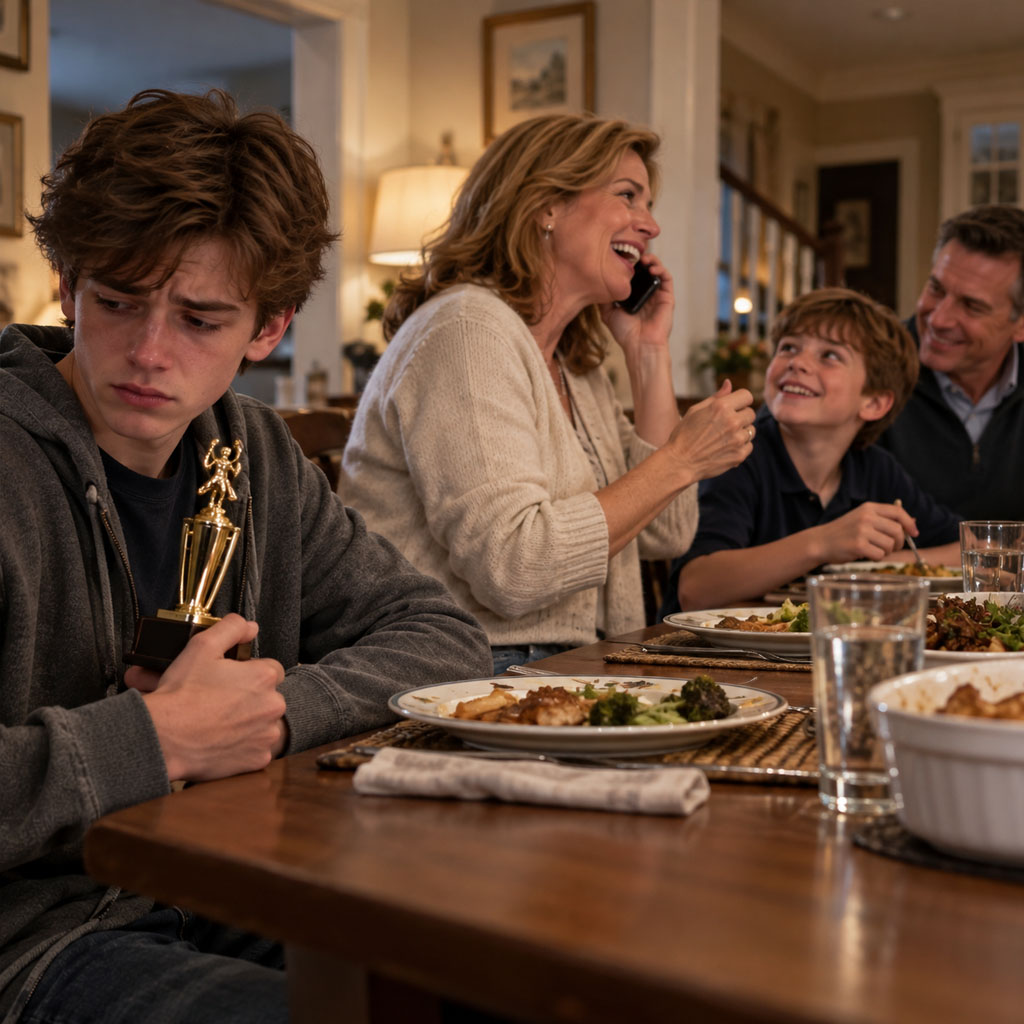
They were spending more effort searching for me now than they had spent attending the important moments of my childhood.
And the reason was still Bryce.
Months passed.
I earned a promotion.
I built friendships.
I joined a climbing gym despite having no idea what I was doing, and on my second week there I met Jenna.
She was a hospital nurse with quick eyes, practical shoes, and the kind of laugh that made you want to keep talking. We had coffee after climbing, then dinner, then another dinner that neither of us pretended was casual.
Several months into our relationship, I told her everything.
The spelling bee.
The missed championship game.
College.
Bryce.
The donor appointment.
Jenna listened without interrupting.
When I finished, she looked at me across the couch.
“Your body belongs to you,” she said. “Family can ask. They can hope. They can even be scared. They still don’t get to volunteer you.”
That simple sentence loosened something inside me.
About a year after my move, Melissa called again.
“Bryce is worse.”
He was undergoing dialysis several times a week. He had been placed on a transplant list, but there was no guarantee when a compatible kidney would become available.
Then she added, “Your parents hired people to find you.”
“What people?”
“A search service.”
I almost admired the absurdity of it.
“How much?”
“Mom said five thousand upfront.”
Five thousand dollars.
The number landed hard.
They had said summer camp was too expensive. Music lessons were too expensive. Trips for me were too expensive. Helping with college was too expensive.
But searching for me when Bryce needed something?
Five thousand dollars appeared.
I tightened every privacy setting I had. I removed old online listings and asked my landlord not to confirm whether I lived in the building.
The search company apparently failed.
My mother did not.
One afternoon, our office mailroom delivered an envelope addressed only with my first name, a vague description, and the company’s address.
The handwriting was hers.
Inside were six pages.
She wrote about missing me. She wrote about being worried. She wrote about Bryce growing weaker.
She also included several photographs of him during treatment.
Near the end, I finally reached something resembling an apology.
I’m sorry you felt hurt by how urgently we tried to help your brother.
I read that sentence twice.
Not sorry for what she had done.
Sorry that I had reacted badly to it.
I shredded the letter.
A week later, she reached my office by phone.
The receptionist transferred her to me by mistake.
“I know you’re there,” Mom said immediately. “This has gone far enough.”
I said nothing.
“You need to come home. Bryce is suffering.”
I hung up.
She called again and became so aggressive with the receptionist that security and HR got involved. I explained the situation, including the unauthorized donor appointment. My company blocked their numbers and instructed staff not to release information about me.
Then Mom changed tactics.
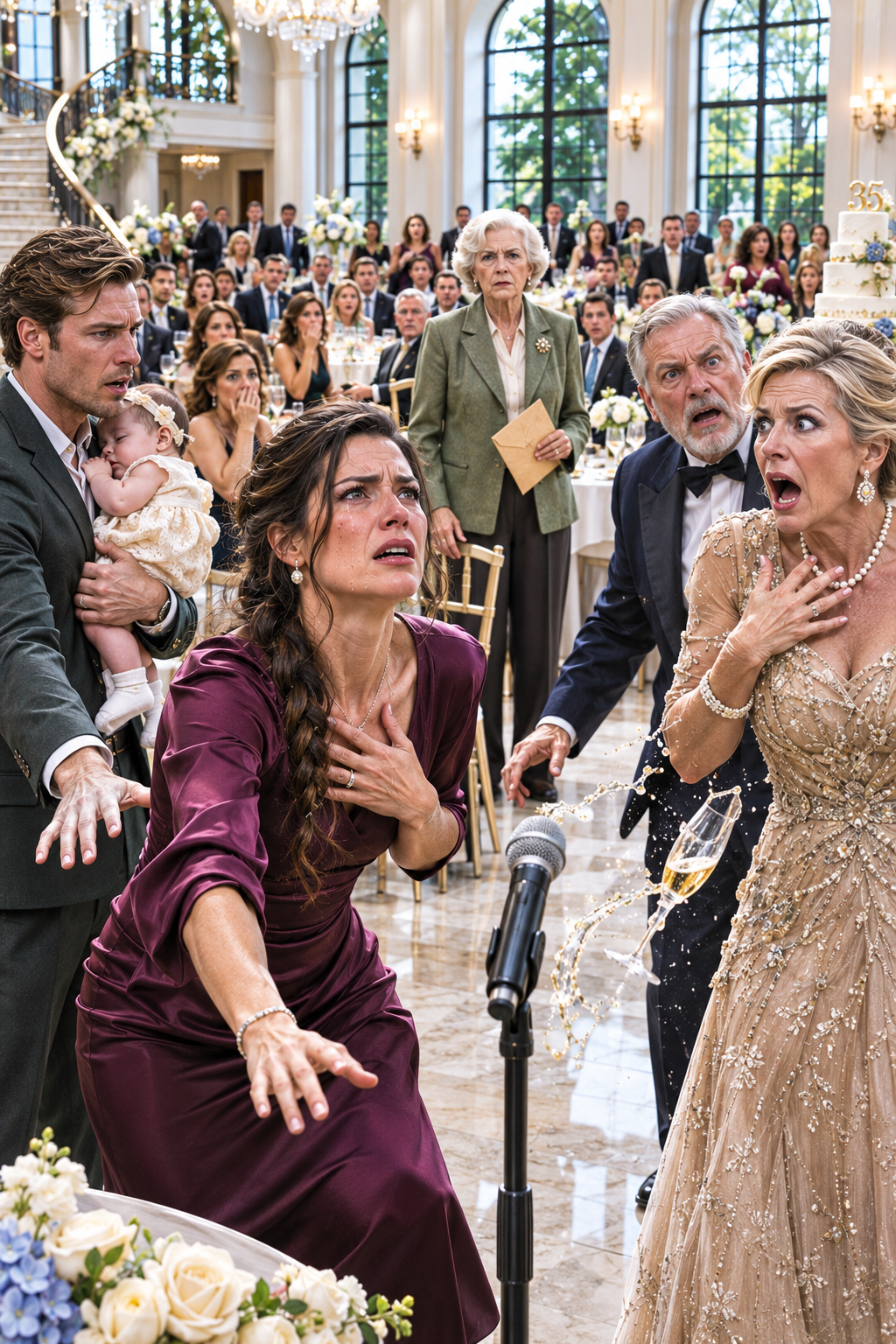
She went public.
Her social media posts described a devastated mother searching for a son who had vanished without explanation. She posted old family photos, requests for information, and emotional updates about Bryce.
There was no mention of the donor appointment.
No mention of my message telling them to stop contacting me.
No mention of the years before that.
Then people who remembered us began commenting.
A woman from high school wrote that she remembered me standing alone after basketball games while other parents took pictures with their kids.
Melissa confirmed that my parents had arranged medical testing without my consent.
Mom deleted those comments.
Screenshots survived.
People began asking questions.
Instead of stopping, she posted more.
I stopped looking.
I told myself that if strangers wanted to judge a family they had never met, they could.
Three months ago, however, my past finally reached my front door.
I came home from work carrying groceries and saw a man sitting on the concrete steps outside my building.
For a second, I didn’t recognize him.
Then he stood.
Bryce had become painfully thin. His face was pale, his clothes loose, his movements careful and tired.
Every instinct told me to turn around.
He raised both hands.
“Mom and Dad don’t know I’m here.”
I stayed beside my car.
“How did you find me?”
“It took a while.”
“Are you going to tell them?”
“No.”
I studied his face.
“Then why are you here?”
He swallowed.
“Because I wanted to talk to my brother before I run out of time.”
Chapter 3
I gave him five minutes.
That was all I promised.
Bryce stayed near the steps instead of moving closer, as though he understood that even entering my personal space required permission.
“I know what they did was wrong,” he said.
I waited.
“They shouldn’t have scheduled anything for you. They shouldn’t have used your information. I told them that after I found out.”
“You still benefited from it.”
“I know.”
There was no argument in his voice.
That mattered.
He leaned against the railing, already tired from standing.
“I’m not here to ask for your kidney.”
“Why not?”
“Because it’s yours.”
Three words.
Almost embarrassingly simple.
Yet no one else in my family had managed to say them.
Bryce looked down at his hands.
“I also wanted to tell you I’m sorry.”
“For what?”
“For letting everything be the way it was.”
I didn’t respond.
“I saw more than you probably think I did,” he continued. “The games they missed. The way they talked about me all the time. College. Money. All of it.”
“You were a kid.”
“Not forever.”
That shut me up.
He told me he had once challenged our parents when he was 16. They insisted he was imagining the favoritism and accused him of creating trouble. Eventually, he had accepted their version because accepting it was easier than questioning the people taking care of him.
“I should’ve questioned it again when I got older,” he said. “I didn’t.”
He pushed away from the railing.
“If you never get tested, I understand.”
Then he started toward a car parked along the curb.
“Bryce.”
He stopped.
“I’ll think about it.”
He nodded once.
“Okay.”
I watched him drive away.
For several weeks, I said nothing to anyone except Jenna.
She never told me what to do.
“If you get tested,” she said one evening, “do it because you chose to.”
That became the difference.
Not my mother’s panic.
Not obligation.
Choice.
I contacted a transplant center in Austin myself.
I completed the evaluation privately, with no involvement from my parents and no promises to Bryce. There was no point debating donation before knowing whether it was medically possible.
Two weeks later, a physician explained the results.
I was not compatible.
I sat in my car afterward with my hands on the steering wheel and felt something I hadn’t expected.
Relief.
Then guilt for feeling relieved.
Then relief again.
I called Bryce over video.
He listened quietly.
When I finished, he actually smiled.
“I’m glad.”
“You’re glad I can’t help you?”
“I’m glad there’s no decision hanging over us anymore.”
He leaned back against what looked like a hospital recliner.
“Now we can just be brothers.”
I had no answer for that.
He told our parents only that he had found me, that we had spoken, and that testing showed I was not a match. He refused to reveal where I lived or what name I used.
Mom reportedly accused me of somehow sabotaging the testing.
Then, after calming down, she asked whether I might contribute money toward Bryce’s expenses.
Bryce told her to stop.
Two weeks later, he called me again.
His voice sounded different.
“I got the call.”
A compatible kidney had become available from a deceased donor whose family had chosen organ donation.
The surgery was scheduled for the following Tuesday.
For the rest of that day, I thought about whether to go.
I owed my parents nothing.
But this was no longer about them.
Bryce had come to my apartment weak enough to struggle up the steps, and he had asked me for nothing. He had apologized without demanding forgiveness. He had protected my location even though giving it to our parents would have made his own life easier.
He had finally done something I had wanted from my family for decades.
He had seen me.
“I’m going,” I told Jenna.
She smiled. “I figured.”
I flew in Monday night and checked into a hotel near the hospital under my new name.
Bryce and I coordinated carefully. Our parents had gone home for the evening, so I visited briefly before his surgery.
He was already in pre-op the next morning when I arrived.
IV lines ran from his arm. He looked nervous but strangely peaceful.
“Thanks for coming,” he said.
“Don’t make me regret buying the ticket.”
He smiled.
“I’ll do my best.”
“And don’t die.”
“That seems like a reasonable request.”
They wheeled him away just after 7.
I spent the next several hours in a surgical waiting room under fluorescent lights, staring at my phone whenever an update appeared.
Surgery underway.
No unexpected complications.
Closing.
Around early afternoon, the surgeon came out and told me everything had gone well. The kidney had begun functioning.
I thanked her so many times she laughed.
When Bryce finally woke enough to recognize me, he looked terrible.
He was also alive.
“Hey,” he whispered.
“Hey.”
“Did it work?”
“The doctor says your new kidney is already showing off.”
He smiled weakly.
I stayed until late that night.
The next morning, I came back.
And the morning after that.
For three days, we arranged my visits around our parents’ schedule. Mom came early. Dad came later. They were usually together in the evening.
I filled the spaces between them.
Bryce and I talked more during those three days than we had in the previous ten years.
He admitted that being favored had never felt as wonderful as it probably looked from my side. Our parents’ attention had come with fear, dependence, and constant reminders that he was fragile. They had made every decision for him until he struggled to make ordinary ones himself.
“That doesn’t excuse what happened to you,” he said.
“No.”
“I know.”
For once, neither of us needed to compete over who had suffered more.
We had simply suffered differently.
On my final evening, I left Bryce’s room around 8 and headed toward the parking garage.
The elevator doors opened.
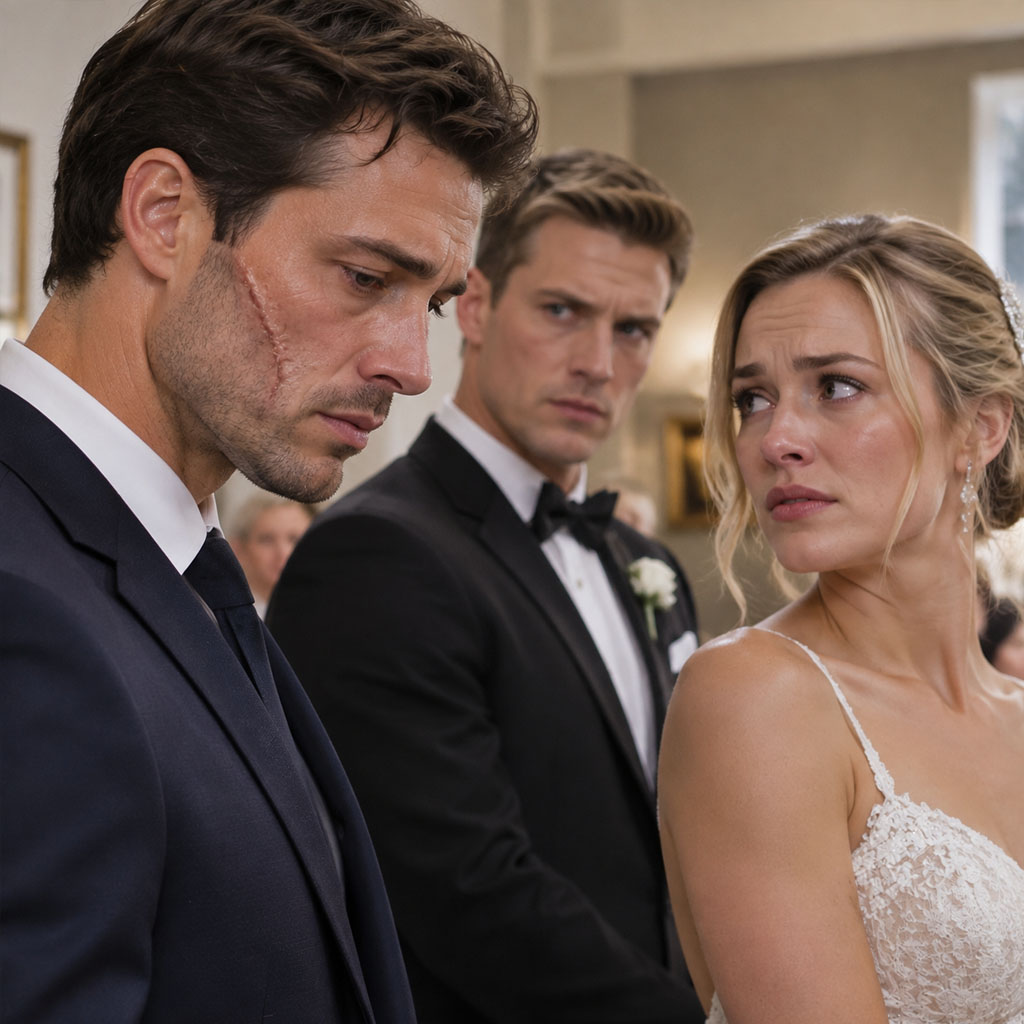
My mother was standing on the other side.
Chapter 4
She froze.
For one heartbeat, neither of us moved.
Then her face collapsed with emotion.
“My baby.”
She rushed toward me with her arms open.
I raised one hand.
“Stop.”
She stopped.
The hallway suddenly felt too quiet.
“You came back,” she whispered.
“I came for Bryce.”
Her mouth trembled. “We have been worried sick about you.”
“You knew I was safe.”
“We didn’t know anything.”
“I told you I was leaving. I told you not to contact me.”
“But we’re your parents.”
“That doesn’t erase what I said.”
She stared at me as though I were speaking a language she didn’t understand.
“I was only trying to save your brother.”
“You keep saying that as if it answers everything.”
“What else was I supposed to do?”
“Ask me.”
Her eyes filled again.
“We didn’t have time.”
“You had time to ask.”
“I knew you would help.”
“No. You decided I would.”
Her expression shifted from grief to frustration.
“Why are you still punishing us?”
“I’m not punishing you.”
“Then come home.”
“I have a home.”
That seemed to hurt her more than anything else.
She reached for me again but stopped herself.
“We loved you.”
I looked at her for a long moment.
Maybe she believed that.
Maybe love, in her mind, was enough to erase every missed ceremony, every unequal sacrifice, every time I had been asked to disappear so Bryce could take up more room.
“I needed more than love you assumed I should understand,” I said. “I needed parents who noticed me.”
“We noticed you.”
“Mom, you arranged for someone to test whether I could give away an organ before you even asked whether I agreed.”
Her face tightened.
“You make it sound horrible.”
“It was horrible.”
“He’s your brother.”
“And this is my body.”
She looked away.
There it was again—the point she could never quite cross.
If she admitted I had the right to say no, then she had to admit she had been wrong.
And if she admitted that, she might have to examine everything else.
“Bryce apologized,” I said.
She looked back at me.
“For what?”
The question told me more than any apology could have.
“For seeing what happened.”
“I don’t understand what you want from me.”
“I wanted you to take responsibility.”
“I did the best I could.”
“Then maybe your best hurt somebody.”
Her shoulders dropped.
Behind us, an elevator chimed.
I stepped around her.
She turned. “Please.”
I stopped but did not face her.
“If you ever want a relationship with me, start with the truth. Not excuses. Not guilt. Not Bryce. The truth.”
Then I walked to my rental car.
She followed only as far as the garage entrance.
I could hear her crying behind me.
I kept walking.
Back in Austin, Jenna met me at the airport.
We stopped for tacos on the way home because neither of us felt like cooking. I told her about the confrontation while she drove.
“Do you regret seeing her?” she asked.
“No.”
“Do you regret leaving?”
I watched the city lights pass beyond the window.
“No.”
For the first time, both answers were true.
Bryce’s recovery continued well.
He sent me pictures of himself walking the hospital floor with his IV pole and complained about the food. One photo showed him standing beside the window, looking healthier than he had on my apartment steps.
His caption read:
New kidney. Who’s this?
I laughed harder than the joke deserved.
We talk now.
Not every day. Sometimes not even every week.
But when we do, neither of us performs the old roles.
He isn’t the golden child.
I’m not the forgotten one.
We are two grown men trying to build a relationship our parents never taught us how to have.
My father attempted contact once through Bryce.
I declined.
Mom sent another letter to my office. It was only one page this time.
She wrote that seeing me at the hospital had forced her to think about things she had avoided for years. She admitted that fear over Bryce’s health had controlled many of her choices.
She said she was sorry for scheduling the donor testing without my consent.
It was the first real apology I had ever received from her.
But apology does not automatically restore access.
I haven’t responded yet.
Maybe I will someday.
Maybe I won’t.
Forgiveness, I have learned, is not the same as returning to the exact place where someone hurt you.
And boundaries are not revenge.
They are the line that tells another person where you end and they begin.
Bryce needed a kidney.
My parents needed hope.
Both things were real.
But neither gave anyone the right to decide that part of me belonged to them.
What finally saved my relationship with my brother was not sacrifice.
It was choice.
He gave me the freedom to say no, and because he did, I was able to choose to stand beside him when he needed someone.
Not as a donor.
Not as a spare part.
Not as the overlooked son finally proving his worth.
Just as his brother.
THE END.
⚠️ All characters and events are fictional. Do not imitate or apply them in real life. 😌😌😌