My Cousin Stole My Fiancé—Five Years Later, Her Parents Paid $43,000 to Ruin My Wedding Again
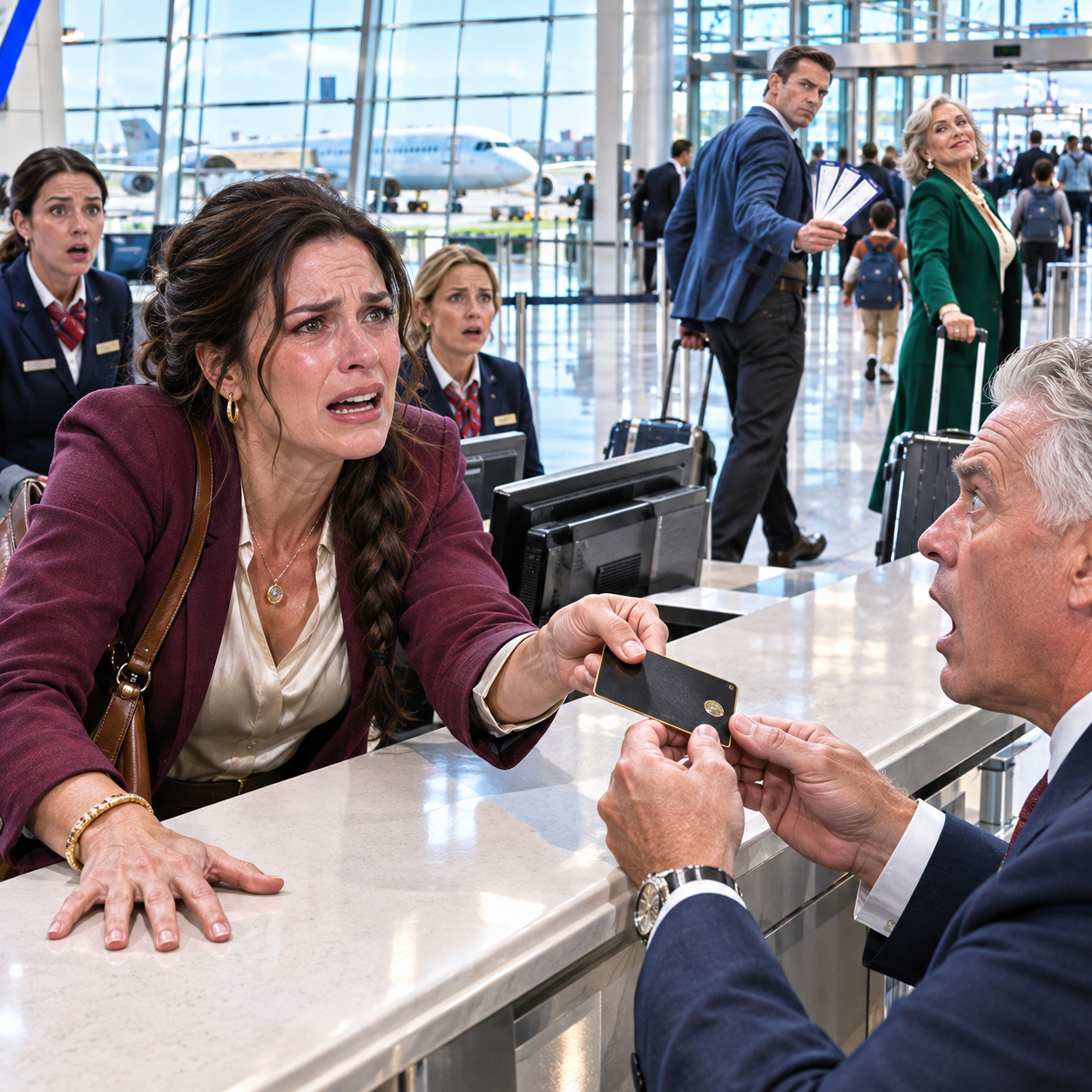
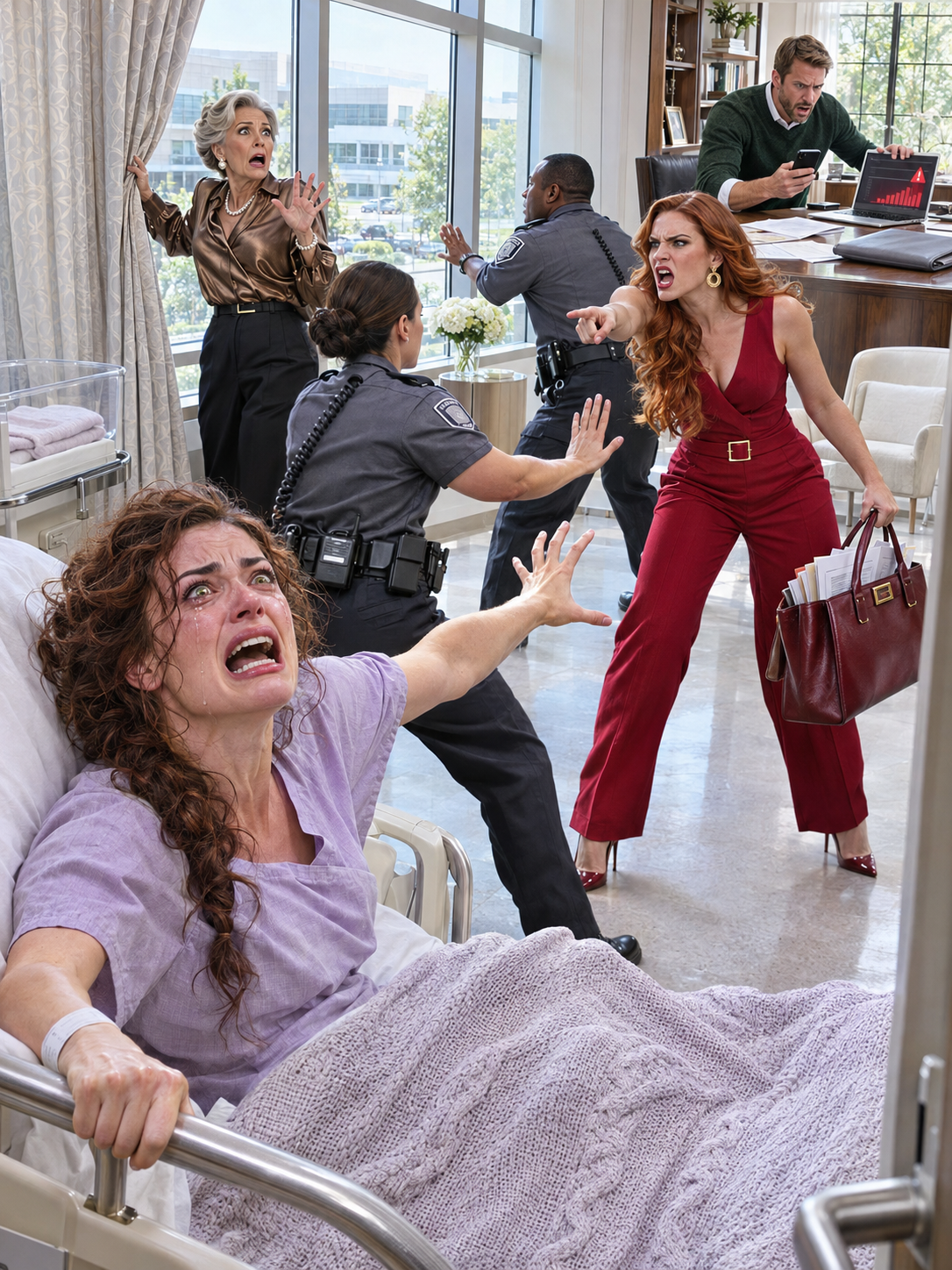
I found out my fiancé was expecting a baby with my cousin eighteen hours before our wedding, when I opened a silver gift bag in her bedroom. I canceled everything, lost nearly $40,000 in deposits, and spent years learning to trust again. Five years later, I was finally marrying someone who had never made me doubt his love. Then the relatives who defended the affair offered to pay for my wedding. I thought it was an apology—until I saw who they brought through the garden gate.
Part 1
The silver gift bag sat in the middle of my cousin’s dresser, white tissue paper sticking out like the petals of a flower. I’d driven to her apartment that Friday night to collect my grandmother’s wedding rings and the leather notebook containing my vows. My wedding to Gavin Price was eighteen hours away, and I was barely awake. My cousin, Sienna Walsh, had texted, “Door’s unlocked; everything’s on the dresser. Back soon.”
Neither the rings nor the notebook was visible, so I lifted the tissue paper, thinking she had packed them as a surprise. Underneath was an ultrasound photograph and a yellow note in Gavin’s unmistakable handwriting. “Twelve weeks tomorrow. I love you both, and I can’t wait until we don’t have to hide.” I read it three times, hoping the words might change.
The rings were in the jewelry box, just where Sienna had promised, but beneath its velvet tray lay a hotel key card and several folded letters. A second phone showed Gavin kissing Sienna beside a lake. I recognized his blue jacket; I’d given it to him for Christmas. One letter mentioned seven months, and suddenly every dinner where they’d sat across from each other looked different.
I remembered Sienna crying when I read my vows aloud. I thought about Gavin’s late meetings, and Sienna asking if we were still happy. I’d dismissed those little oddities because I trusted them both. Now I understood they had been rehearsing lies at the same table where I planned to seat them tomorrow.
I took photographs of what I’d found, collected my rings, and drove to my parents’ house with the gift bag buckled into the passenger seat. Mom was finishing a crossword in the living room; Dad was watching the evening news with the sound low. They stood when they saw my face. I handed Mom the ultrasound, and she whispered, “Whose baby?” before recognizing Gavin’s handwriting on the note.
“The wedding’s off,” I said, and Dad sat heavily on the couch. Mom hugged me, then reached for our vendor contracts. We had spent $39,000 on the venue, flowers, food, music, and photography, including my parents’ savings. Mom began calling vendors to prevent two hundred guests from arriving at a canceled ceremony.
I called Gavin while she worked; he answered with his familiar excited laugh. “Ready for the big day?” he asked. “I was at Sienna’s,” I told him, and his silence confirmed more than an explanation could. When I mentioned the photograph and hotel key, he whispered my name; I said, “Do not come here. Do not call me again. We are finished,” and ended the call.
Sienna answered crying after I said “How could you?” She insisted they had tried to stop and that nobody had meant to hurt me. “You can’t help who you fall in love with,” she said, as if I were inconveniencing a romance instead of discovering months of betrayal. I hung up, then watched through the window as my aunt and uncle’s car pulled into our driveway less than an hour later.
Aunt Marlene entered with damp cheeks, Uncle Victor right behind her, insisting we consider the baby. Dad asked them to leave, but Victor said, “Canceling everything is an overreaction. The kids made a mistake.” I stood up so abruptly my chair scraped the floor. “Your daughter helped plan my wedding while carrying my fiancé’s child,” I said. “Tell me which part of that happened by accident.”
Marlene began pleading for forgiveness before anyone had even apologized properly. She said Gavin and Sienna had intended to tell me “once the honeymoon was over,” when I was supposedly calm enough to understand. Mom turned toward her with a look I’d never seen and said, “You were going to let my daughter marry him knowing all this?” Marlene stared at the carpet, and I realized this betrayal reached further than the affair.
My aunt hadn’t just found out tonight. She’d known they planned to let me walk down the aisle anyway.
Part 2
My parents cut contact with Marlene and Victor; my brother Caleb blocked Sienna. I spent the next week returning gifts and hearing why deposits were nonrefundable. My wedding dress hung on the back of my bedroom door until I finally packed it away. Everywhere was proof that two people had knowingly let me prepare for a meaningless marriage.
Marlene started telling relatives I had been too ambitious, too busy, too emotionally distant for Gavin. An aunt I barely knew suggested I should have “paid more attention to my man,” and the betrayal felt public again. Mom corrected the rumors, but I asked her to stop reporting them. I needed one room in the world where Gavin and Sienna weren’t the subject.
Five months later, they married at the courthouse; their son was born that winter. A relative sent a hospital photograph of Gavin, Sienna, and the newborn beneath a caption about overcoming obstacles. The phrase made my stomach turn because I was apparently the obstacle. Sienna wrote that she hoped someday I could be happy for her, without acknowledging what she’d destroyed.
I blocked them and began seeing a therapist, who didn’t demand forgiveness. Some mornings I was fine; others a song from our canceled wedding made me cry. Eventually I started running to give my thoughts somewhere to go. A half marathon was the first milestone I celebrated without checking whether anybody else approved.
I also took a pottery class and discovered I could turn expensive clay into an impressive collection of crooked bowls. The instructor kept saying to center the clay before shaping it, advice that eventually made sense beyond ceramics. Three years after the canceled wedding, I attended a weekend workshop in the mountains. The man at the wheel beside mine watched his bowl collapse and said, “Apparently the clay has reviewed my qualifications.”
His name was Jonah Mercer, and he was an elementary-school librarian who laughed at himself without making anyone else the joke. We talked over lunch, then during the drive back to town, and again on the phone that night. When he asked me to dinner, I said I wasn’t looking for anything serious. “Then we can eat pasta without calling it destiny,” he replied, and I laughed.
We dated slowly, driving between our towns on weekends and learning each other’s habits. I told Jonah that sudden changes of plans made me anxious, without explaining why. Eight months in, he canceled dinner an hour before we were supposed to meet, saying only that something urgent had happened. Gavin had said the same thing before disappearing for nights.
I called twice with no answer and ended up crying in an airport restroom after my flight. Jonah called back forty minutes later from a hospital, where his sister had been treated after a car accident. She would recover, and I felt ashamed for assuming the worst. That night I told him everything, including the silver bag, the lost deposits, and my fear of trusting again.
Jonah didn’t promise I would never feel afraid. He said, “I can tell you what’s happening when I’m able, and you can tell me when something scares you. But please give me a chance to be myself, not him.” We worked on that, sometimes badly and sometimes well, and learned that trust required ordinary follow-through. Two years after we met, he proposed while we planted a lemon tree in the yard of our rental house.
Planning our wedding felt different: seventy close guests, simple flowers, an early-evening ceremony, and no pressure to impress people who didn’t know us. My parents offered help, but Jonah and I intended to pay ourselves. Then Mom called with a careful voice I remembered from the night my first wedding collapsed. “Marlene and Victor want to speak to you,” she said. “They want to pay for the whole wedding, and they say they’re finally ready to apologize.”
I stared at the lemon tree through our kitchen window. What did they want to buy now?
Part 3
I agreed to meet Marlene and Victor at a café downtown, where I could leave easily. They looked older than I remembered, and Marlene’s hands shook. “We failed you,” she said before I had even taken off my coat. For once, I couldn’t see her old defensiveness.
Victor said they wanted to pay for every wedding expense, to repay my parents’ lost deposits. I told him the first wedding had cost $39,000 and that a check could not make me forget why. “We understand,” he replied, avoiding my eyes. Marlene said a recent health scare had exposed how much time she’d wasted defending Sienna.
“What does Sienna think about this?” I asked. Marlene’s teaspoon clicked against the saucer. “She knows we’re trying to make things right,” she said, then quickly added, “This isn’t about her.” Her hesitation bothered me, but I’d grown tired of suspicion. I went home undecided, uncertain whether to trust them.
Jonah heard the story while we made spaghetti and said, “A gift that large usually comes with expectations, even when people swear otherwise.” I knew he was right, but perhaps late remorse could be genuine. We agreed on a second meeting with my friend Elise and written terms. Resistance meant refusing the money.
At the second meeting Jonah explained that any contribution must be an unconditional gift, documented in writing, with no influence over our guest list, vendors, ceremony, or schedule. They could attend only as ordinary invited guests, with no speeches or introductions, and Sienna, Gavin, and their children were explicitly excluded. Victor signed a straightforward gift agreement prepared by our attorney. “No surprises,” I said, looking directly at Marlene, and she answered, “Never.”
They transferred $43,000 to a separate wedding account; I paid the vendors myself. For months their behavior was almost unnervingly perfect. They never challenged our decisions or mentioned Sienna. I started questioning my suspicion when Marlene sent a simple card wishing us happiness.
A few things were odd, but nothing conclusive. Marlene asked my mother whether children would be entertained at the reception, though none were invited. Victor wondered whether the side garden gate would be open before the ceremony, citing parking. When our florist mentioned that someone claiming to be family had asked about delivery times, I assumed it was my mother checking arrangements.
Nine days before the wedding, our event coordinator Denise phoned to confirm whether we needed two extra seats near the front. Someone had called her office claiming to be my aunt and asked about seating for children. I said no immediately, then spent an hour wondering whether it was a harmless misunderstanding. Denise promised nobody would be admitted without appearing on our final list.
Elise thought we should alert the event coordinator anyway. “You don’t have to accuse anyone to make the guest list final,” she said, tapping our seating chart. I gave Denise the list and asked that uninvited visitors be turned away politely. Caleb volunteered to help at the entrance because he knew the relatives. We’d prepared without surrendering the day.
On the wedding afternoon, sunlight fell through the garden’s maple branches onto rows of white chairs. My bridesmaids wore sage-green dresses, and I had chosen a plain ivory gown comfortable enough to dance in. Jonah sent a photo of his crooked tie with the message, “Your future husband needs adult supervision.” I laughed until the makeup artist repaired my eyeliner.
At 4:35, I was in the bridal suite when raised voices reached us from the driveway. Elise went to the window first, then said my name in a tone that made my stomach tighten. I looked down past the flower-covered arch and saw Caleb standing in front of the garden gate, one hand against its latch. Behind it was Sienna in a pale champagne dress, Gavin in a dark suit, and two small children wearing matching clothes.
Marlene hurried toward them with her arms wide, smiling at her honored guests. I finally understood what $43,000 had purchased in her imagination: an audience that would make it difficult for me to say no.
Part 4
I descended the stairs before anyone could stop me. My heels clicked against the stone path, as guests turned toward me. Caleb had asked for invitations, but Sienna insisted her parents had invited her. Gavin stood behind her holding the younger child’s hand, looking ready to leave.
Sienna spotted me and smiled, as if five silent years were a misunderstanding. “Mara, look at you—we wanted to celebrate with you,” she said. Hearing my name recalled every wedding appointment she’d attended while betraying me. “You were not invited; take the children home,” I said.
Marlene hurried between us near tears. “We paid for this wedding,” she said, loudly. “We thought you might finally be ready to heal as a family.” I looked around at the guests, glasses motionless in their hands. “You gave us money under a written agreement that explicitly excluded Sienna and Gavin,” I said. “It was a gift, not permission to control who attends my wedding.”
Victor stepped forward, flushed and indignant, claiming I was humiliating his daughter in front of everyone. Jonah arrived beside me, gently moving the conversation farther from the children toward the parking area. “Don’t make this harder,” he said. “You were told these guests weren’t invited. Please leave quietly.” The event coordinator stood nearby with her phone, ready to call security.
My grandmother, Ruth, arrived with her cane, silencing Victor. She was Marlene’s mother, and had never minimized the affair. “You promised to apologize,” she told her daughter. “Instead, you used somebody else’s wedding to make yourself feel forgiven.” Marlene reached for her, but Ruth stepped back and said, “An apology that comes with a trap is another betrayal.”
Sienna’s older child began asking why people were upset, so I knelt nearby and reassured him he hadn’t done anything wrong. Gavin murmured that they should go, but Sienna shook his hand from her arm. “I’ve been sorry for years,” she insisted, through tears. “My marriage is falling apart, and you won’t even hear me out.”
I looked at her carefully, knowing she wanted me to comfort her. “You married the man you chose while I spent years rebuilding my life,” I said. “Your marriage isn’t mine to fix.” She started to say that family should forgive, but I stopped her. “You had five years to respect my boundaries. This is my answer.”
Jonah asked Denise to escort them out, and Marlene took Sienna’s arm. Victor complained about the money as they walked toward the parking lot, then threatened to demand it back. Our agreement made the gift unconditional; his anger was no longer mine to soothe. Their cars left without further argument, as guests watched.
After the cars disappeared, several guests approached, but Elise gently steered them back toward the reception tables. One woman squeezed my shoulder and said, “We’re here for you and Jonah,” before returning to her seat. The normal sounds of the party restarted—silverware, distant music, somebody laughing near the lemonade table. I had thought a confrontation would poison the day, yet everyone else seemed determined to give it back.
Inside, my hands shook so badly that Elise held my water glass while I drank. Jonah asked whether I wanted to postpone the ceremony, and I looked through the window at our family and friends returning to their seats. “No,” I said. “They’ve already taken one wedding from me. They don’t get another.” He pressed his forehead to mine, then went to wait beside the flower-covered arch.
We married as the sun lowered behind the trees. My father walked me down the aisle, my mother cried happy tears, and Jonah smiled through vows about ordinary Saturdays, honest conversations, and choosing each other without an audience. At dinner, Ruth raised her glass and said only, “To a home where everyone is welcome because they are loved, not because they are owed.” I finally felt present.
Three weeks later, after our honeymoon, Ruth called with something Victor had finally admitted. They had planned the gate confrontation before they ever offered to help pay for our wedding, and Sienna had known about it from the beginning.
Part 5
Ruth told me Victor had confessed after she demanded an explanation. Marlene and Sienna had discussed the surprise appearance for months, certain I wouldn’t reject two children before seventy guests. They saved to make the offer irresistible. I sat at our kitchen table listening, astonished that they mistook my manners for obedience.
I sent Ruth’s account to our attorney and saved the messages and receipts. He wrote formal letters directing Marlene, Victor, Sienna, and Gavin not to contact us or appear at home or work. I didn’t fight them online. I wanted a clear, enforceable boundary.
Victor sent one final demand through a relative, claiming he expected repayment for the wedding because the reunion hadn’t happened. Our attorney replied with a copy of his signed agreement and asked that future communications go through counsel. No lawsuit followed. I filed the letter behind the canceled-wedding receipts, a reminder of how easily generosity can become leverage in the wrong hands.
The wedding photographs arrived later. In one, Jonah was looking at me during our vows with an expression that brought happy tears. Another showed Caleb laughing beside Ruth, her cane resting against a chair, unbothered by the disturbance. I printed those, not pictures of the gate. The day belonged to us, and I intended to remember it that way.
Two months later, Mom called with news she thought I should hear. Sienna had discovered that Gavin had been involved with one of her closest friends for more than a year. Looking for a charger, she’d found his second phone and hotel messages. It happened before a planned anniversary trip.
The resemblance to my silver gift bag was so precise that I sat down. Sienna had trusted this woman enough to include her in birthday parties and family holidays, as I’d trusted Sienna with my rings. They were arguing over separation and their children, and Marlene was pleading with relatives to support her daughter through the betrayal. Her parents, who’d dismissed my pain, called hers devastating.
I waited for satisfaction, but what I felt was distance. I knew what that discovery felt like, and wished it on nobody. I also knew her suffering didn’t undo mine, and it didn’t entitle her to another chance. “Please don’t tell me anything else unless it directly affects us,” I told Mom. “I don’t want to live in its next chapter.”
A distant cousin later forwarded an apology from Sienna, saying she finally understood the devastation she’d caused me. I didn’t open the attachment. Understanding pain after suffering it yourself may be real, but it doesn’t restore years of trust or undo the trap at my wedding. I asked the cousin not to pass along anything else, and she apologized for assuming that I wanted it.
Mom was quiet, then said she understood. She agreed that peace sometimes meant refusing information. We talked instead about Jonah’s new job at a larger library and the little house we’d found closer to the mountains. She helped unpack, laughing at my crooked pottery key bowl.
A few months after the wedding, I learned I was pregnant, and Jonah grinned in disbelief. We moved into the new house that spring, where the kitchen windows overlooked a narrow yard and the lemon tree we’d brought in a large pot. Occasionally a late call still scared me. Then he would tell me who was calling, and ask what I needed.
On our first anniversary, we painted the nursery a gentle yellow and argued over crib instructions. Jonah found the little leather notebook where I’d written my new vows and asked whether I wanted to read them again. I opened to the final page and read, “I choose the life we make together, not the life anybody thinks we owe them.” He kissed my forehead, then resumed building.
I never forgave Sienna or welcomed Marlene and Victor back. Their regrets followed too many deliberate betrayals. But I no longer needed to follow their consequences or prove I had won anything. Standing beside Jonah in the nursery, I understood that my real happiness had nothing to do with their punishment—and everything to do with the door I finally knew how to close.
Legal Notice: This story is a work of fiction. Names, characters, businesses, events, and incidents are the product of the author’s imagination or are used fictitiously. Any resemblance to actual persons—living or dead—or to actual events is purely coincidental. Thank you! 💓