Part 2: One Question at Easter Reveals Who Was Really There
Mom had opened the dining-room windows against the oven’s heat, and curtains lifted over the sill. Sixteen relatives filled the tables, with Melanie next to Rachel as always. Travis had brought ham and was accepting compliments. Nora leaned toward me as we set down the eggs. “If it comes up, let me answer,” she whispered, and I promised, certain nobody would be cruel enough to raise it there.
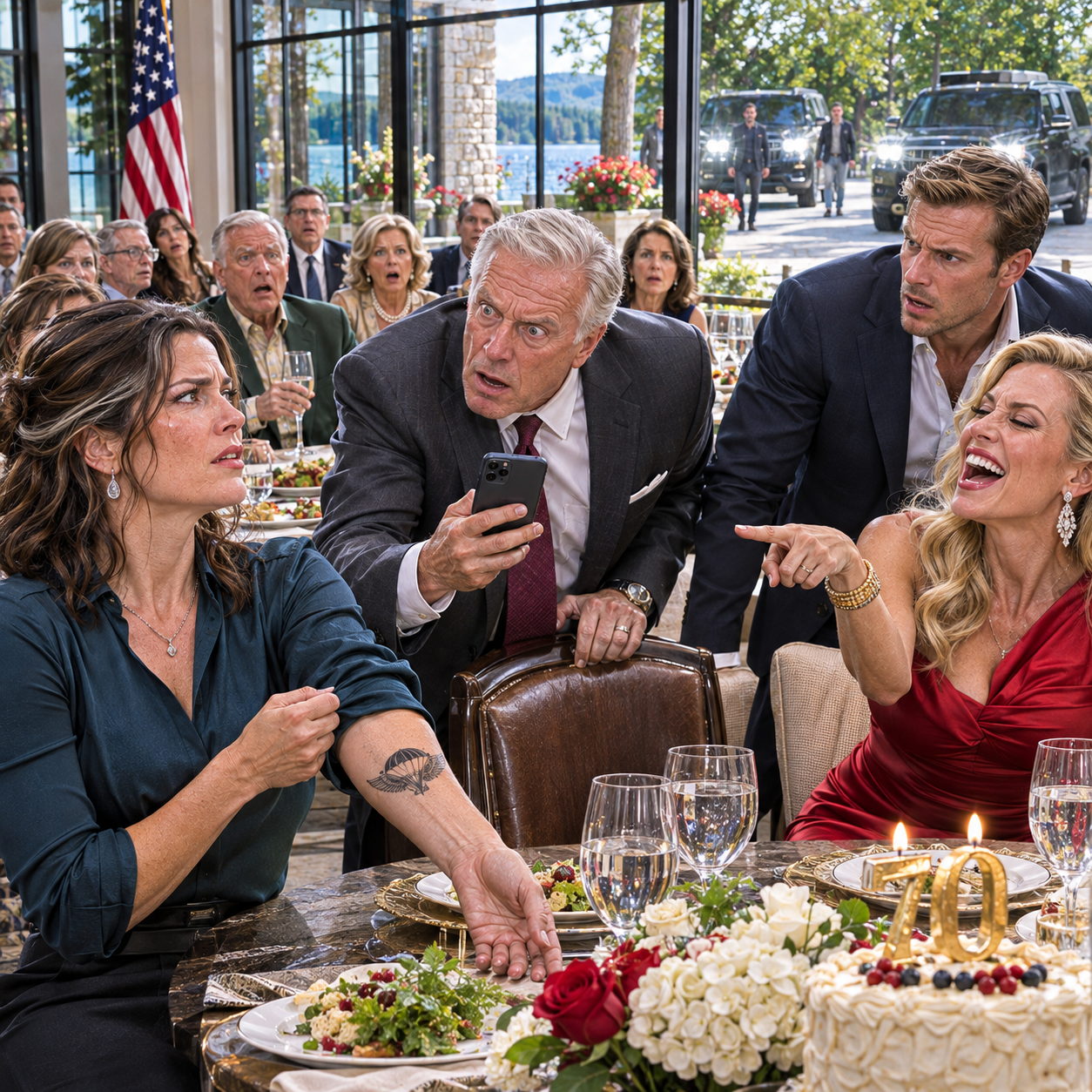
We’d barely started eating when Travis set down his napkin and announced he couldn’t hide something concerning my marriage. Rachel murmured that dinner wasn’t the place. He continued anyway, naming Prairie Rest, Tuesday morning, a man walking beside Nora, and room 22. He gave each detail the patience of someone who believed sounding reluctant would make him trustworthy.
I pushed my chair back, but Nora touched my wrist, not hard enough to stop me if I’d chosen otherwise. She looked directly at Travis and asked, “Who sent you to the back side of Prairie Rest that morning?” He made a little show of not understanding. “Room twenty-two faces the service lot,” she continued. “I know because I walked past that end of the building. You can’t see its door from the road. So was that a stop on your route, Travis?”
Rachel lowered the serving spoon she’d been holding. Every Tuesday for years she’d assigned Travis properties in two towns east of Ash Creek, and she handled the accounts for any local business requesting service. The motel wasn’t a customer. She asked her husband whether he’d altered his route without telling dispatch. Travis told her he had stopped for gas, then seemed to hear how little that explained about a room behind a motel. Across the table, Melanie began smoothing a crease from her paper napkin until the paper tore.
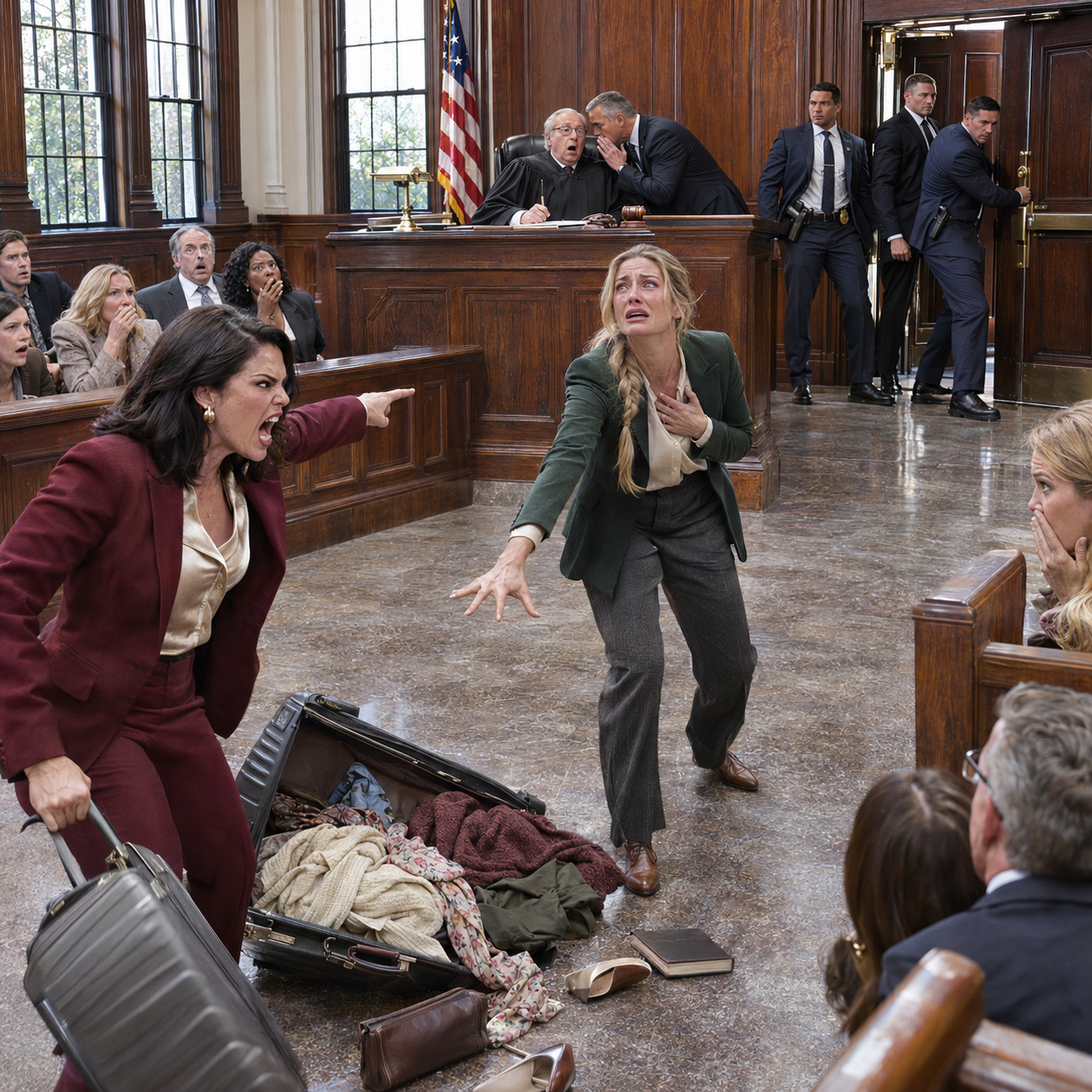
Rachel looked at Melanie, then at her husband. “Don’t make me ask twice,” she said. Travis reddened and accused Nora of inventing a distraction. Rachel stood, asked Mom to mind the boys, and walked outside with her purse. Travis went after her, knocking his chair against the wall. Minutes later Melanie slipped out through the kitchen, while the children watched the adults with worried, uncomprehending faces.
Mom went to the stove though everything was already cooked. One of the boys asked whether his mother was coming back, and I heard how carefully Mom kept her voice ordinary when she said Rachel had stepped out for some air. Nora didn’t claim victory or even defend herself further. She asked if she could wrap a plate for Rachel and the boys. Mom found the foil with shaking fingers, and neither of them mentioned Travis while they packed it.
As I drove home, Nora told me what she’d seen three Tuesdays earlier. She’d walked out of room 14 with Samuel, the hospice chaplain who visited that patient alongside her each week. They had parked near the rear corner because the front spaces were occupied. A pest-control truck was waiting beside the service lot, and Travis came out of room 22 fastening his jacket. Melanie stood just inside the doorway; when she noticed Nora, she reached for the door and closed it.
“Why didn’t you tell Rachel?” I asked, my fingers pressed into the worn steering-wheel cover. Nora said she’d witnessed seconds, not an entire affair, and wouldn’t shatter a marriage on that alone. Then Travis had texted me first, making a warning sound like retaliation. “I couldn’t tell you about my patient to defend myself,” she added. “I kept hoping he’d stop.”
At nine that night, Travis appeared in his wrinkled Easter shirt and begged me through the screen door to tell Rachel that Nora was mistaken. He talked about the boys and how one misunderstanding could destroy their home; his fear sounded genuine. Then he said, “You told your mother Nora was acting strange on Tuesdays. She told me.” I’d never spoken to Travis about my marriage, and hearing those private words repeated made me close the inside door partway.
“You were worried about getting caught,” I said. He reminded me of repairs he’d done, holidays we’d shared, the years we’d called each other brothers. Those memories were real, but they couldn’t excuse this. I told him to speak to Rachel rather than recruit me. On Monday morning she called from work with GPS records showing Travis’s truck behind Prairie Rest on Tuesdays for months, although his signed route reports put him forty miles away.
Part 3: Records Restore a Reputation but Trust Takes Longer to Repair
Rachel brought copies in a manila envelope, the kind she used for school documents. One stack showed the assignments she’d prepared; another mapped the truck’s actual locations. Some Tuesdays he’d remained behind the motel more than an hour. “He signed these every Friday,” she said, tapping the route sheets. “I entered them into payroll.” She straightened the two stacks twice, as if she could bring the rest of her life into order.
The owner of the pest-control company opened a separate review. Once the vehicle records were compared with billed mileage and signed work orders, Travis was dismissed for repeated false reports, not for anything Rachel had said at Easter. She later began the divorce process, taking time to arrange custody and tell the boys that both their parents still loved them. Melanie sent her a long message that began with apologies and ended with reasons things had become complicated. Rachel read it once, put the phone facedown, and asked me to take the children for ice cream.
Nora’s director approved a welfare visit with Samuel to the distressed patient. With the patient’s permission, I later learned his name was Walter Baines, a seventy-six-year-old Army veteran with severe lung disease. Nora explained what the accusation had cost her, and he requested a pen. He signed consent for the agency to confirm his residence and visits; Samuel supplied a statement about the Tuesdays he’d accompanied Nora.
The paperwork settled the review, and Nora returned to field visits in mid-April. She didn’t celebrate with a special dinner; she ironed her blue scrub top and checked the supplies in her trunk. “I missed two people who aren’t here anymore,” she told me, holding a roll of medical tape she had forgotten to put away. We stood together by the kitchen counter until the dog nudged her hand for attention. I knew her reinstatement could not return what the accusation had taken from her.
A few days later Walter asked if I’d come by, now that he had explicitly authorized it. Room 14 smelled of coffee, laundry detergent, and the mint ointment beside his bed; a small American flag sat folded on the dresser. Walter was thinner than I’d pictured, but he held my gaze without difficulty. “Your wife never treated this place like something to be ashamed of,” he said, indicating the narrow room. “I wish I could say I did the same.”
Walter had lived there nearly a year after refusing to move in with either adult child. They hadn’t spoken since a quarrel after his wife’s funeral, when grief had given way to unforgivable words. He feared they’d visit from duty rather than love if they knew he was dying alone. He’d asked Nora not to reveal his whereabouts while he gathered the courage to write. “You can waste years mistaking pride for dignity,” he said, worrying a loose thread on his blanket.
Outside, I confessed I’d parked across the street eleven minutes, watching Nora’s workplace instead of trusting her. “I wanted to catch you,” I admitted. She was tired, not surprised: Walter’s window faced the tire shop, and he’d told her about my truck. “It hurt,” she said. “I knew you were frightened, too.” She took my hand, but I understood that was a beginning rather than a pardon.
Over the following weeks, the subject came up in unremarkable places: beside the washing machine, while taking out trash, once during a grocery run when we passed the pharmacy. I apologized without arguing that Travis had fooled everybody. Nora admitted she’d understood my fear but hadn’t realized how alone she’d made me feel; I reminded her she had been protecting a man’s last private choices. We began asking direct questions about our own marriage, and accepting when an answer about her patients had to be no.
Walter died in early May with Nora and Samuel beside him. Beforehand he’d written separate letters to his son and daughter, and Samuel promised to mail them. I never asked whether the children replied; Nora said he deserved to decide which pieces of his life belonged to other people. At Mother’s Day dinner, Rachel arrived with the boys and no Melanie trailing behind her, and Mom had removed the extra chairs rather than leave their empty places conspicuous.
Before we ate, Mom drew Nora into the kitchen and apologized for trusting Travis’s gossip. She admitted she’d questioned me about Nora’s hours and money, as if loyalty could be checked against a bank statement. “Next time, ask me how work is,” Nora said. Mom nodded and did exactly that. Through the doorway I watched Rachel patiently help her youngest cut his chicken while his brother told me about baseball.
When Mom asked me to say grace, I looked at those who’d returned to the table and the people whose choices had kept them away. It wasn’t over for Rachel or the boys, and Nora would never regain the visits she’d missed. I thanked everyone for the food and the room to tell the truth. Under the table Nora offered her hand, and this time I took it without needing to know anything more.
The End .
All characters and events in this story are fictional, created for storytelling and entertainment purposes. Thank you sincerely for reading. Your feedback and support are invaluable and motivate me to continue sharing more stories with you.