I Paid My Parents’ Mortgage for Six Years—Then They Left Everything to My Brother and Expected Me to Pay His Debt
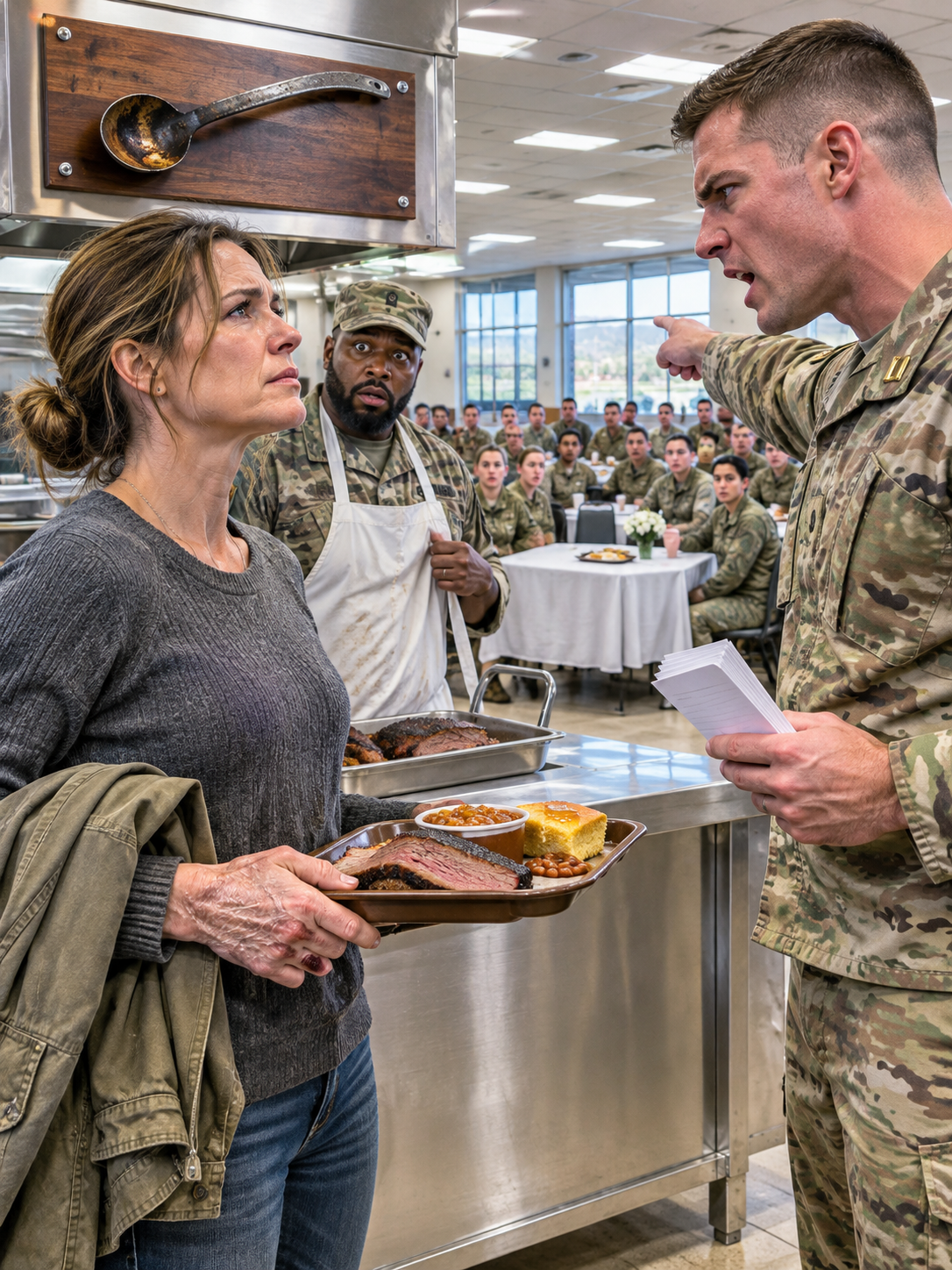
“I paid your mortgage for six years, and you left everything to my brother?” I asked my mother, holding the documents that proved her betrayal. She didn’t apologize. Instead, she pushed a new loan application toward me and said, “Your brother needs the property. You can afford the payments.” I had already sacrificed $138,240 to save their home, but they wanted thirty more years of my money. What they didn’t know was that I had discovered something at the bank that could destroy their entire plan.
Part 1
My grandfather taught me to back into parking spaces when I was eleven years old. “Always leave yourself a way out, Mason,” he’d say, tapping the dashboard of his rusty Chevrolet. I thought it was advice about driving until I turned thirty-seven and discovered how difficult it could be to escape your own family. By then, I had spent six years financing a house that would never belong to me.
I work as an industrial welder for a construction contractor outside Searcy, Arkansas. The hours are long, the summer heat gets inside your boots, and some evenings I come home smelling like hot steel no matter how carefully I wash. I’ve never made the kind of money that changes someone’s life overnight, but I’ve always earned enough to pay my bills. My mother liked to call that my greatest virtue whenever she needed something.
My parents, Curtis and Elaine Bell, owned twelve acres outside Bald Knob, with a brick house and a metal workshop behind it. Dad had spent thirty-three years maintaining school buses before the district outsourced its maintenance department. Mom worked part-time at a craft store, where she apparently spent as much time discussing other people’s children as selling supplies. Together, they had always managed their finances just well enough to avoid admitting they couldn’t.
My younger brother, Bryce, was thirty-three and considered himself an entrepreneur. His business consisted of buying used vehicles, repairing whatever customers might notice, and reselling them whenever someone offered enough money. Sometimes he made a profit, but more often he needed another loan to reach his next supposedly guaranteed opportunity. Mom believed he was destined for success, and nothing that actually happened seemed capable of changing her mind.
Growing up, Bryce received whatever he wanted because he was supposedly more sensitive than I was. He got a used sports car for his sixteenth birthday, while I saved money from unloading produce trucks to purchase my first pickup. When I graduated from welding school, Mom left the ceremony early to attend one of Bryce’s baseball games. She later explained, “You understand, sweetheart. Your brother needs more encouragement.”
I accepted that explanation for years because I believed families were supposed to support whoever was struggling. What I failed to notice was that Bryce’s struggles always became someone else’s responsibility. Whenever I accomplished something, my parents praised my independence instead of celebrating with me. By the time I reached thirty, I had learned that being dependable mostly meant nobody felt obligated to help me.
Everything changed in December 2019, when I visited my parents for Christmas dinner. Mom had decorated the kitchen with plastic garlands, and the smell of baked ham filled the house. While reaching for a serving dish, I noticed a bank envelope beneath a holiday catalog. It contained a notice warning that their mortgage was seriously overdue.
Dad explained that his early retirement had reduced their income more than expected. They had refinanced several years earlier to build his workshop and consolidate other debts, leaving a substantial mortgage balance. Mom started crying, saying they might lose the property where they’d raised their children. I had nearly twelve thousand dollars saved toward a down payment on a small house of my own.
The next morning, I paid their overdue balance and arranged to cover the upcoming payment. Mom hugged me so tightly that her Christmas earrings pressed against my cheek. “Just until we get back on our feet,” she promised, while Dad shook my hand and called me a good son. I remember driving home feeling proud that I could protect them.
Three months became six, and six became a year. When I realized they still couldn’t afford the mortgage, I established an automatic payment of $1,920 each month. Nobody wrote an agreement, and I never requested ownership because I believed helping my parents was fundamentally different from making an investment. For a while, I didn’t even think about the amount leaving my account.
In 2021, their bank arranged a new loan with payments calculated over a long repayment period but a large remaining balance due at the end of January 2026. The loan officer, Arthur Quinn, explained the balloon payment carefully during our meeting. I asked what would happen when the balance became due. Mom waved the concern away and insisted that Bryce’s business would be successful long before then.
That prediction became the foundation of every financial decision they made. Bryce moved his vehicle business into Dad’s workshop, installed expensive equipment, and gradually filled the property with trucks waiting for repairs. Dad’s tools were pushed into a corner, but Mom described the transformation as the beginning of a family legacy. She never acknowledged which family member was paying to keep that legacy standing.
In 2023, I found a little two-bedroom house near Searcy with a covered porch and an enormous pecan tree. I needed several months without the mortgage burden to afford its down payment. When I mentioned the possibility during Sunday dinner, Mom put down her fork and asked whether I expected my parents to live on the street. Bryce laughed and suggested I stop dreaming about homeownership until I found a wife.
I let the house go, telling myself another opportunity would come along. But the following year, when an unexpected insurance expense forced me to use nearly all my remaining savings, Mom simply said, “Good thing you’re the responsible one.” She never asked what I had given up. I began to understand that my sacrifices had become so ordinary they no longer registered as sacrifices.
Then, in November 2025, Mom called while I was working a job near Newport. She asked for copies of my two most recent pay stubs, claiming the insurance company needed information about whoever covered the mortgage. When I questioned why a homeowners policy would require my income details, she became unusually irritated. Before ending the call, she asked another peculiar question: “Your credit score is still excellent, isn’t it?”
I refused to send the documents, but the conversation stayed with me. At Thanksgiving, Bryce casually asked whether I planned to remain with the same construction company for another five years. Mom mentioned that Arthur Quinn had recently asked about me at the bank, then quickly changed the subject. Dad kept examining his dinner plate while the rest of us talked.
Two weeks before Christmas, Dad called and asked me to collect the insurance renewal from their filing cabinet. Behind the policy was a thick envelope bearing the name of an estate planning attorney in Jonesboro. I almost ignored it until I noticed a recent date and the words “Bell Family Living Trust.” I sat down at the kitchen table and opened the document, unaware that the next page would change my relationship with my family forever.
Part 2
The trust was twenty-three pages long, with formal language that made my eyes ache. I read it slowly, checking names, dates, and property descriptions because I couldn’t believe what I was seeing. The house, twelve acres, workshop, and everything permanently attached to the property would eventually pass to Bryce. My name appeared only once, on a page near the end.
The sentence was short enough to memorize immediately: “We have intentionally made no provision for our son, Mason Bell.” I read it three times, hoping I’d misunderstood some legal technicality. Both my parents had signed the document on November 12, and there were witnesses’ signatures beneath theirs. Whatever excuses they might offer, this wasn’t an accidental omission.
I photographed the relevant pages and carefully replaced the envelope. Then I carried the insurance renewal to the workshop, where Dad was sitting beside a portable heater while Bryce worked beneath a pickup. The air smelled of motor oil and cold metal, and an old country song played quietly from a dusty radio. Dad thanked me without looking up, while Bryce asked whether I could help move some vehicles the following weekend.
I told him I was busy and walked outside before my voice could betray me. Sitting in my truck, I opened the calculator on my phone and multiplied seventy-two by $1,920. The answer was $138,240, excluding the insurance shortages, emergency repairs, and countless smaller expenses I’d covered. Six years of my life had helped preserve a property my parents had deliberately decided I should never inherit.
That night, I opened my banking application and canceled the automatic transfer scheduled for January. It took less than five minutes to stop something that had controlled my finances for six years. I didn’t call Mom to announce it because I already knew how that conversation would end. She would cry, Bryce would accuse me of selfishness, and Dad would ask everyone to calm down.
Christmas passed with the usual family dinner, although I noticed details I might previously have ignored. Mom presented Bryce with an expensive set of tools and announced that he would someday turn the workshop into the best repair business in White County. Dad handed him the brass key ring he’d used for decades. I received a flannel shirt and a twenty-dollar gift card.
On January 16, my phone vibrated while I was eating lunch beside a construction site. Mom’s message contained four words: “You’re late this month.” There was no greeting, no question about my health, and certainly no concern about why I’d stopped paying. I finished my sandwich before replying, “Ask Bryce. It’s his house.”
She called repeatedly that evening, but I didn’t answer until Dad sent a message asking me to speak with her. When I finally picked up, Mom immediately demanded an explanation for my behavior. I told her I’d seen the trust and knew exactly how they’d divided their estate. After several seconds of silence, she said, “Mason, that’s a private family matter, and you had no business reading it.”
I reminded her that I was part of the family and had been paying the mortgage for six years. She insisted that Bryce needed the property more because I had a stable career and could always purchase something else. When I asked why my future mattered so little, she replied, “You’re making this about money when we’re talking about keeping your father comfortable.” I ended the call before she could turn another accusation into a demand.
A week later, Mom appeared at my rental house with Bryce standing behind her. She carried a manila folder and immediately spread several documents across my kitchen table. The mortgage’s balloon payment was due on January 31, she explained, and Arthur Quinn had discussed a possible thirty-year replacement loan. Unfortunately, the bank required a qualified co-borrower.
Mom smiled as though she were offering me an opportunity. “You’re already making the payments, honey, so this doesn’t really change anything,” she said. I examined the application and found my name, employer, phone number, and estimated income already entered. Beside the signature line, a yellow adhesive arrow pointed toward the blank space.
“Who filled this out?” I asked. Mom said she’d helped the bank prepare everything to save time, while Bryce complained that I was making the process unnecessarily difficult. I turned to him and asked whether he would share ownership with me if I accepted responsibility for the debt. He answered, “Why would we change the trust? The property is supposed to be mine.”
Mom reached across the table and tapped the unsigned application. “Family helps family, Mason, and your father needs somewhere to live,” she said. I slid the folder back toward her and told them I wouldn’t sign anything. For the first time in my life, I watched my mother look at me with genuine uncertainty, as though the son she had always counted on had suddenly become a stranger.
Part 3
Mom recovered quickly enough to announce that the bank had scheduled an appointment for January 29 at two o’clock. She insisted that I attend because refusing to refinance would jeopardize Dad’s retirement and destroy everything the family had built. Bryce stood beside her, shaking his head as if my decision personally offended him. I reminded them that the property belonged to my parents and that its future was ultimately their responsibility.
After they left, I examined the application they’d abandoned on my table. It included a preliminary payment estimate, a list of supporting documents, and a section stating that my financial information still required verification. Somebody had supplied details about my employment without asking me, although the bank had not obtained my authorization for a credit inquiry. I photographed everything and placed the papers in a separate folder.
The following Monday, Bryce arrived alone carrying a carton of my favorite root beer. He sat on the porch steps and tried to sound reasonable, explaining that Mom had only arranged the trust because he worked on the property every day. He promised I could continue visiting whenever I wanted. I asked whether he’d allow me to use his name to finance a house that would belong entirely to someone else.
He laughed and said the situation was completely different. According to him, signing the loan would simply preserve an arrangement that had worked perfectly for years. When I reminded him that he would receive the house while I remained responsible for the mortgage, he accused me of being obsessed with paperwork. “Nobody’s asking you to do anything you haven’t already done,” he insisted.
“That’s exactly the problem,” I answered. Bryce’s expression hardened, and he warned that Mom would never forgive me if Dad lost the property. Then he stood up, left the root beer on my steps, and drove away. I watched his truck disappear around the corner and realized how easily he’d confused my generosity with an obligation.
That afternoon, I called a local attorney named Rebecca Shaw and arranged a consultation. She reviewed the photographs and explained that paying someone else’s mortgage didn’t automatically give me ownership rights, particularly without a written agreement. She also confirmed that becoming a co-borrower could expose me to substantial liability even if I never inherited the property. Her advice was simple: don’t sign documents without independent legal review.
I asked whether I could recover the money I’d already paid. Rebecca explained that the answer would depend on evidence of an enforceable repayment agreement, which I didn’t have. I wasn’t interested in dragging my parents into a lawsuit based on promises they’d never put in writing. What I wanted was to prevent another six years from disappearing the same way.
That weekend, I visited a small brick house advertised for sale by its owner. It stood near the edge of Searcy, with a wide front porch, faded kitchen cabinets, and a pecan tree shading the backyard. The woman showing it wore navy hospital scrubs and introduced herself as Hannah Brooks. She explained that she’d inherited the house from her father and hoped to sell it to someone who would appreciate its ordinary, peaceful character.
As we walked through the rooms, Hannah noticed my truck parked backward in the driveway. She smiled and said her father used to do the same thing because he believed a person should always be ready to leave. I laughed and told her about my grandfather. When she asked what kind of home I wanted, I found myself answering more honestly than I expected.
“Something that’s actually mine,” I said. Hannah didn’t pry, but she showed me the back bedroom overlooking the pecan tree and mentioned that her father had used it as a workshop for small woodworking projects. The room smelled faintly of pine, and sunlight formed a bright square on the worn hardwood floor. For the first time in months, I imagined a future that didn’t revolve around my parents’ problems.
On Tuesday afternoon, Arthur Quinn called about the upcoming bank appointment. He asked whether I intended to provide tax returns and authorize a credit review, and I explained that I hadn’t agreed to become a borrower. He sounded surprised and mentioned that the family had started discussing the application with him in early November. I asked him to repeat the exact date.
“November 10,” he answered, consulting his records. My stomach tightened because I’d photographed the trust’s signature page only a few weeks earlier. The trust had been signed on November 12, two days after Mom and Bryce began preparing a loan application involving me. Suddenly, every question about my pay stubs and employment made perfect sense.
They hadn’t written me out of the inheritance and then panicked when I stopped paying. They had pursued my financial commitment first, then arranged for Bryce to receive the property. I thanked Arthur for calling and said I’d attend Thursday’s meeting, although I wouldn’t authorize any borrowing. After hanging up, I opened the photographs on my phone and stared at the two dates until I could no longer pretend this had been an innocent misunderstanding.
Part 4
I arrived at Hawthorne Community Bank five minutes before the appointment and backed my truck into a parking space facing the street. Mom, Dad, and Bryce were already seated in Arthur Quinn’s office, surrounded by documents marked with yellow tabs. Mom smiled when she saw me, apparently convinced I’d finally accepted my responsibilities. Arthur stood, shook my hand, and invited me to review the loan application.
“Before we discuss that, I have two questions,” I said, placing a copy of the trust on his desk. I turned to the page excluding me from the inheritance and read the sentence aloud. Dad stared at the paper, while Mom shifted uncomfortably in her chair. I asked Arthur who would inherit the property if both my parents passed away.
“According to this document, your brother would be the beneficiary,” he answered, carefully explaining that the trust’s actual operation depended on how the assets were titled. I then asked what would happen to my responsibilities if I signed the proposed mortgage and my parents died. Arthur confirmed that a co-borrower could remain responsible for the outstanding balance regardless of who inherited the house. I looked directly at Mom and said, “So Bryce gets the property, and I get the debt.”
Mom immediately protested that I was making everything sound worse than it was. Bryce insisted that nobody intended to make me pay the entire mortgage forever, even though neither of them offered any meaningful protection. I asked Arthur when my name had first been discussed as a potential co-borrower. He checked the file and confirmed that the family had approached him on November 10.
Dad suddenly leaned forward and asked, “Elaine, didn’t you tell me Mason volunteered to help with the new loan?” Mom’s face tightened, and she told him they should discuss it at home. Dad repeated his question, this time looking directly at her. When she finally admitted that I’d never actually agreed, he sat back as though someone had pulled the chair from beneath him.
Arthur tried to redirect the meeting toward practical solutions. He explained that a neighboring farmer had expressed interest in purchasing seven acres behind the workshop, and a sale could potentially reduce the mortgage enough to make refinancing feasible without me. Dad seemed interested, but Bryce immediately objected because he wanted to expand his vehicle business onto that land. Mom supported Bryce, saying the property needed to remain intact for his future.
I could hardly believe what I was hearing. They had an opportunity to protect their home without sacrificing my financial security, yet they refused because Bryce wanted additional space for an expansion he couldn’t afford. Arthur explained that without another qualified borrower, a substantial principal reduction, or a property sale, the bank couldn’t approve the proposed refinancing. He offered to discuss a short extension so they could sell voluntarily rather than face more serious consequences.
Mom turned toward me, her eyes filling with tears. “Mason, your father could lose everything,” she whispered. I reminded her that they could still sell some land and preserve the house if they were willing to compromise. Then I gathered my papers and told Arthur I would not sign the application or resume payments.
Dad remained silent as I reached the door. Mom called after me that I was abandoning my family, but I didn’t turn around. Outside, the January air felt sharp against my face, and my hands shook as I unlocked the truck. I had spent six years protecting their property, and now they would rather risk losing all of it than inconvenience my brother.
Part 5
For the next several weeks, Mom sent messages describing how badly I had embarrassed everyone at the bank. Bryce accused me of destroying his business and claimed the family would never recover financially. I answered only once, reminding him that the neighboring farmer was still interested in buying part of the land. He replied that selling acreage would ruin his expansion plans.
The bank granted my parents a temporary extension, giving them time to resolve the outstanding balance. They continued hoping I would change my mind until it became clear that I wouldn’t. In March, they finally listed the entire property for sale. The house, workshop, and twelve acres attracted several buyers, including a couple who operated a commercial equipment repair business.
I drove past the property one afternoon and saw Dad loading his tools into an old pickup. The workshop doors stood open, and several empty shelves exposed the pale outlines of equipment that had been removed. Bryce was nowhere in sight, although his expensive vehicle lift remained bolted into the concrete floor. When the sale contract was finalized, he learned that the attached lift was included among the fixtures.
Bryce was furious, particularly because he still owed money on the equipment. He moved his remaining vehicles to a rented gravel lot behind a tire store, where he paid weekly fees for space he’d previously enjoyed for free. Mom blamed me for the entire situation, conveniently forgetting that Bryce had refused the alternative that might have saved their home. I stopped responding to her accusations because none of them deserved another argument.
My parents moved into a rented duplex in Jonesboro after the sale closed. Once the outstanding mortgage, fees, and selling expenses were paid, they had considerably less money than they’d expected. Dad occasionally sent brief messages about ordinary things, like the weather or a vehicle repair he’d completed. I answered politely, but I didn’t pretend our relationship had returned to what it once was.
Meanwhile, my offer on Hannah’s house was accepted, and I finally became a homeowner. The property needed fresh paint and a few repairs, but every improvement represented something I was building for myself. I spent weekends refinishing the porch railing and replacing old kitchen fixtures. At the beginning of each month, I transferred $1,920 into my own savings instead of my parents’ mortgage account.
Hannah visited occasionally to help identify things her father had left behind. One Saturday, she brought an old wooden porch swing she’d found in the shed, along with two chains and a small tin of screws. We spent the afternoon sanding its worn boards and hanging it beneath the porch roof. When we finished, she sat beside me and laughed because the chains squeaked whenever either of us moved.
Dad came by unexpectedly in May. He stood beside his truck while I worked in the front yard, studying the house with an expression I couldn’t quite read. “It’s a good place, son,” he finally said, and I thanked him. After a long silence, he admitted, “I should’ve read what your mother put in front of me before I signed it.”
“Yes, Dad, you should have,” I answered. He nodded without making excuses, then climbed into his truck and drove away. I didn’t invite him inside because an acknowledgment wasn’t enough to erase years of silence and misplaced loyalty. Still, I was glad he’d finally said something truthful.
On Mother’s Day, Mom sent one final message: “I hope you’re satisfied. Your brother has nothing now.” I read it while sitting at my kitchen table, with sunlight falling across the freshly painted cabinets. Then I put my phone down and went outside to water the flowers. Bryce’s future was no longer my responsibility, and neither was my mother’s disappointment.
By June, Hannah and I had begun spending more time together without making promises about where things might lead. We shared dinners, visited farmers’ markets, and sometimes sat on the porch talking until the evening air turned cool. She never asked me to repair her problems or prove my worth through money. I appreciated that more than she probably realized.
One Thursday, I returned from work and found Hannah sitting on the porch swing with two glasses of iced tea. For the first time I could remember, I drove straight into my driveway instead of backing into it. She noticed immediately and raised an eyebrow as I climbed the steps. “What happened to always being ready to leave?” she asked with a smile.
I sat beside her, listened to the swing chains creak, and looked across the yard that finally belonged to me. “I think I’ve found somewhere worth staying,” I answered. I hadn’t recovered the $138,240 I’d spent saving my parents’ home, and I hadn’t forgiven the people who used my love as an opportunity. But I had recovered something far more important: the right to build a life that didn’t require me to sacrifice myself for people who would never do the same.
Legal Notice: This story is a work of fiction. Names, characters, businesses, events, and incidents are the product of the author’s imagination or are used fictitiously. Any resemblance to actual persons—living or dead—or to actual events is purely coincidental. Thank you! 💓